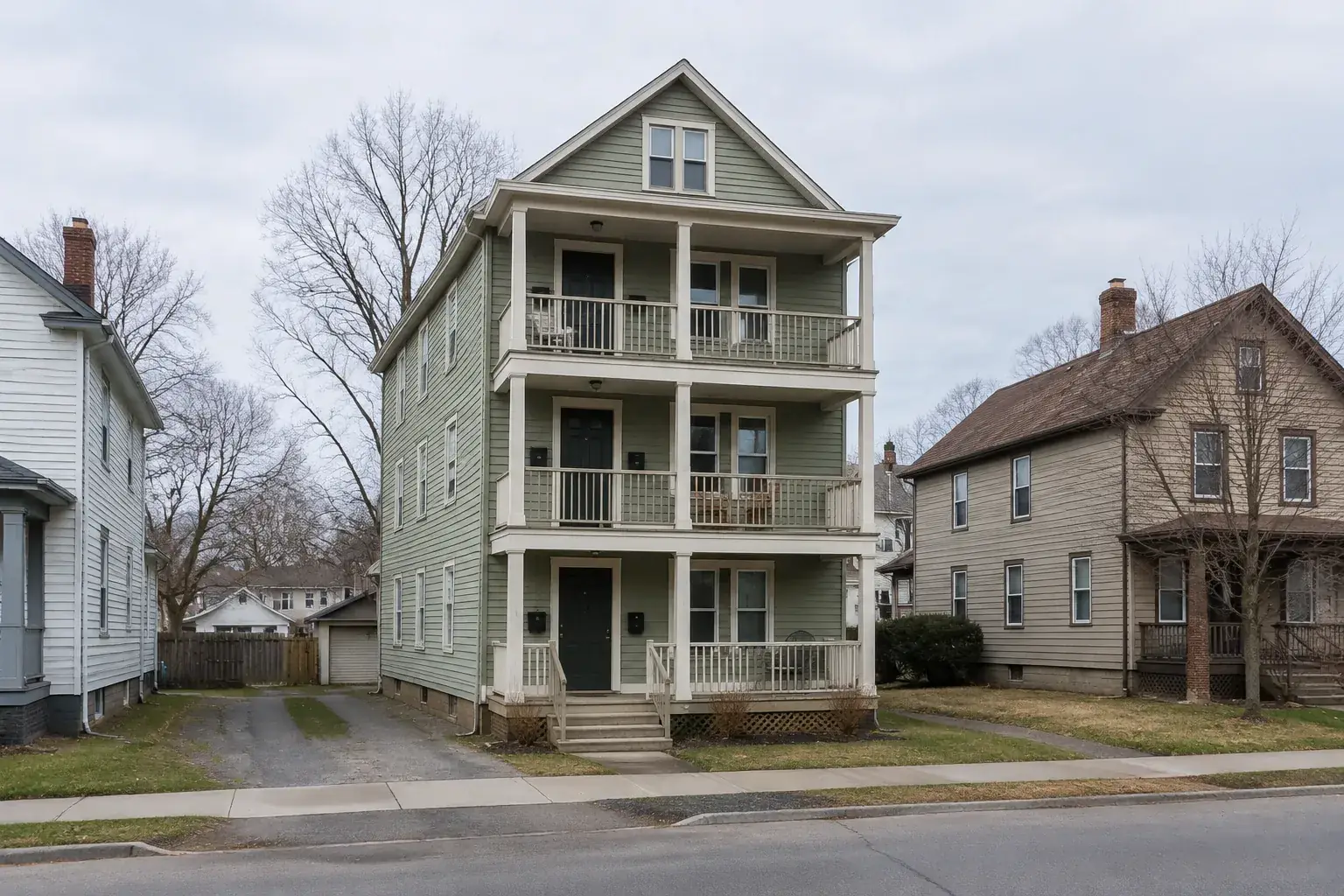
A home listing is a short, curated summary written to attract buyers. It can tell you a great deal about a property, but it is written by people with an interest in the sale, and it captures a single moment in time. Learning how to read a home listing, including its photos, description and status label, helps you decide which homes deserve a visit and which questions to ask before you spend time on a tour. More guidance for people at this stage is collected in the buyer articles section.
Why a Listing Is Only a Starting Point
Listings are useful for narrowing a search. They show location, basic layout, approximate size and some features, and they let you compare several homes side by side. They are less useful as a complete record of a home’s condition, history or surroundings. Treat each listing as a set of claims to check, not as a verified description.
Start by running a search with the filters that matter most to you, such as property type, layout and location, then save the results so you can return to them. You can begin with the current listings search and refine it as you learn what you want.
What Status Labels Tell You
Status labels describe where a listing stands in the sale process. Common labels include active, pending and contingent, though the exact wording differs between websites and local listing services. A label shows what the listing system displayed when it was last updated, which may be earlier than the current situation. Before you plan around a label, confirm it with your agent.
Active usually means the home is on the market and accepting offers. An active listing can still receive offers that are later accepted, so an active label alone does not tell you how much interest the home has drawn.
What Pending Means on a Listing
Pending is commonly used when an offer has been accepted and the sale is moving toward closing. The exact wording comes from the listing service, and the actual status depends on the signed agreement. A pending sale is not guaranteed to close, and some return to the market. Useful questions are whether the home is still being shown, whether a backup offer is in place and how the listing will be updated if things change.
Contingent and Other Labels
A contingent label usually signals that an accepted offer comes with conditions that are still open. What those conditions are, and how they affect the sale, depends on the signed purchase agreement and on local practice, so the label alone does not explain them. Rules about contracts and sales apply, and questions about how they affect you are best taken to a qualified professional.
If a Label Changes After You Book a Visit
Labels can change between the day you schedule a tour and the day you arrive. Recheck the listing the morning of the visit, and save a screenshot of what you saw earlier so you can describe the change accurately. If the status moved to pending or contingent, decide whether you still want to see the home, perhaps as a reference for future searches, or whether your time is better spent on another property.
Reading Photos Critically
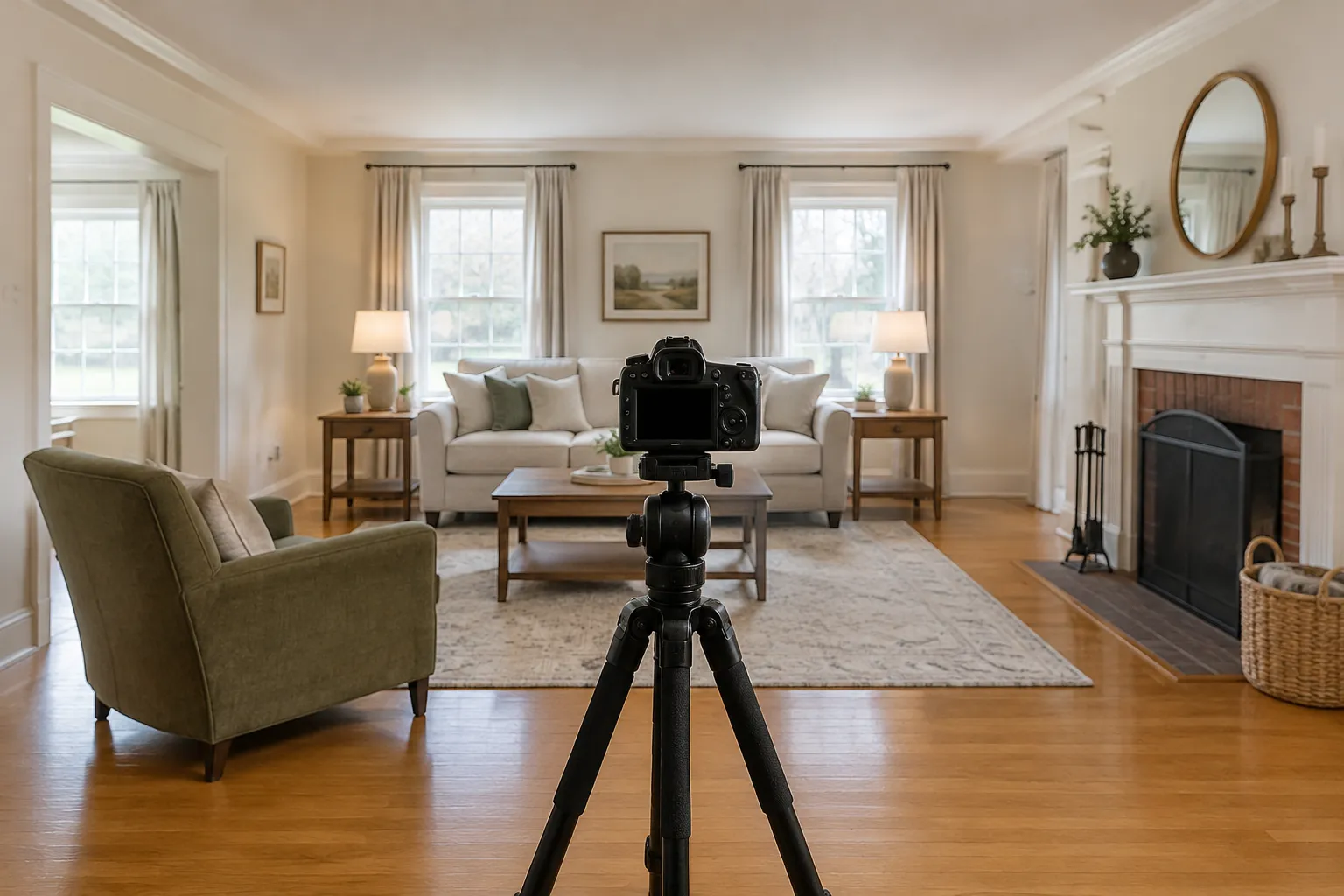
Photos are chosen to show a home in its best light, so treat them as a guide to what the home contains rather than a true picture of its condition. A few habits make them more informative:
- Check whether the photos were taken recently, since rooms can change after furniture is removed or a renovation is completed.
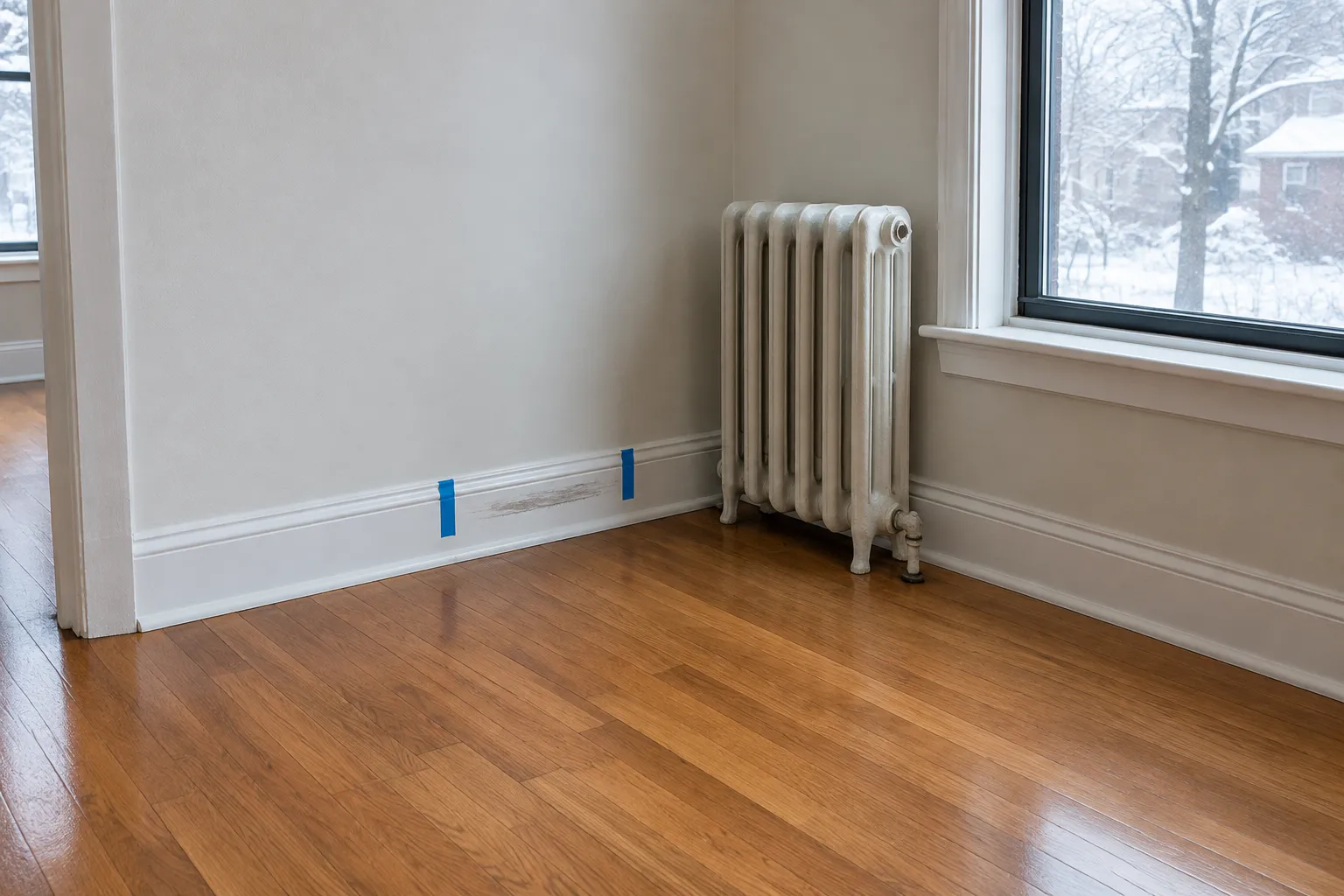
- Look at the edges of each photo for signs of wear, such as cracked paint, worn flooring, stains on ceilings or damp areas near windows.
- Notice what the photos leave out, such as basements, storage areas, the exterior from several sides or the roof and utility spaces.
- Compare the photos of each room with the floor plan, if one is included, to confirm the layout and the relative size of spaces.
- Pay attention to wide-angle shots of rooms, which can make small spaces look larger than they are.
Decoding the Description
The written description is where sellers and agents highlight features and frame the home. Some phrases are specific and useful, while others are general and say little about the property itself. The table below lists common phrases and the question each one should prompt.
| Description phrase | Question to ask |
|---|---|
| Updated kitchen | Which parts were updated, and when was the work completed? |
| Move-in ready | What repairs or replacements were made recently, and are there any known items still open? |
| Newer roof or systems | What is the age of each system, and is there documentation from the work? |
| Large lot | How much of the lot is usable, and what does the boundary look like on the ground? |
| Quiet street | Quiet at what time of day, and what is nearby that you would notice on a weekday? |
| Great potential | What would need to change to realize that potential, and who would do the work? |
Pay attention to what is missing as well. A description that skips the age of the furnace, the water heater or the roof is not necessarily hiding a problem, but it is a good reason to ask. Descriptions also commonly omit how a home performs in daily life, such as how it handles snow, how much light the rooms receive or how far it is to the places you visit most often.
Why Some Listings Have Few Photos
A listing with only a few photos can have several explanations. The home may have been listed quickly, the seller may have chosen a limited set of images, or the photographs may still be scheduled. Sometimes the interior is cluttered or vacant, which makes photography difficult. A short photo set is not a reason to rule out a home, but it does mean you should gather more information before you schedule a visit, such as additional images, a floor plan or a description of the rooms and areas that are not pictured.
Details to Verify in Person
A visit is the point where a listing becomes a home you can evaluate. Plan your walk-through around the details that a listing cannot settle:
- Visit at different times of day to see how natural light changes and how noise from the street or neighbors compares.
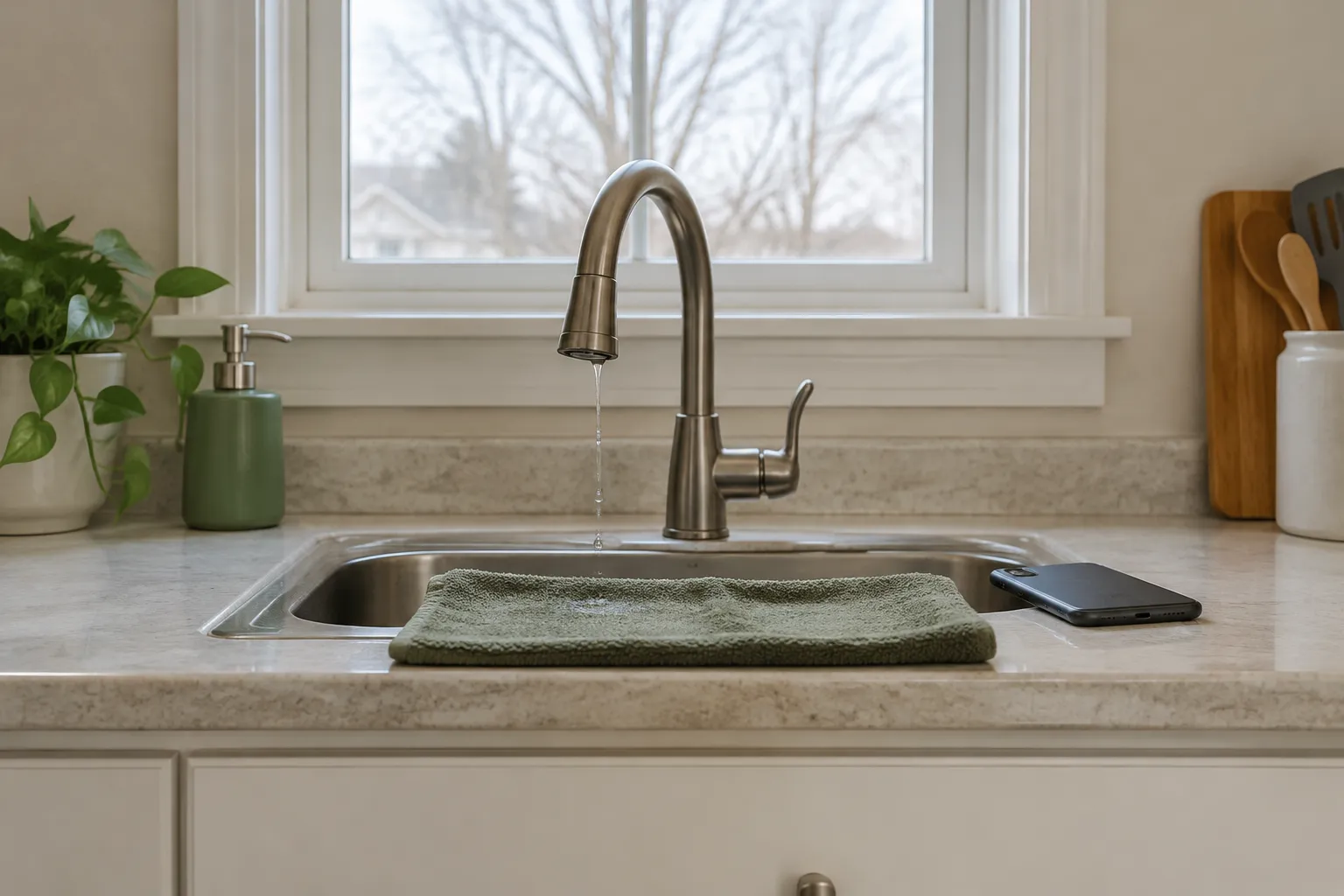
- Check water pressure, drainage and signs of moisture in basements, crawl spaces and under sinks.
- Open and close windows and doors, and test the heating and cooling equipment while the owners or agent are present.
- Look at the roofline, gutters, grading around the foundation and the condition of the driveway and walkways.
- Ask what the home’s utility costs have been, and ask for the bills or a summary from the seller.
- Note how the layout works for your daily routine, including storage, parking and access to the rooms you use most.
Questions to Send Before You Visit
- Has the seller provided records for recent repairs, and can I review them?
- What is the status of the listing, and when was the label last updated?
- Are there any open items in the description that I should confirm before a visit?
- What information is missing from the listing, such as a floor plan or additional photos?
- Which neighborhood services, such as trash pickup or snow removal, should I verify directly with the local office?
- What does the seller’s timeline look like, and how will changes be communicated to me?
Read the Label Photos and Description Together
A listing works best as a set of prompts: the status label shows where the sale stands, the photos show what the seller chose to present, and the description shows how the home is framed. Each one raises questions that a visit and a conversation can answer. SAP Real Estate is a Syracuse brokerage that has operated since 2017 and handles real estate sales and purchases, rentals and property management in Syracuse and Central New York. If you would like help with a specific listing, you can contact the SAP Real Estate team.