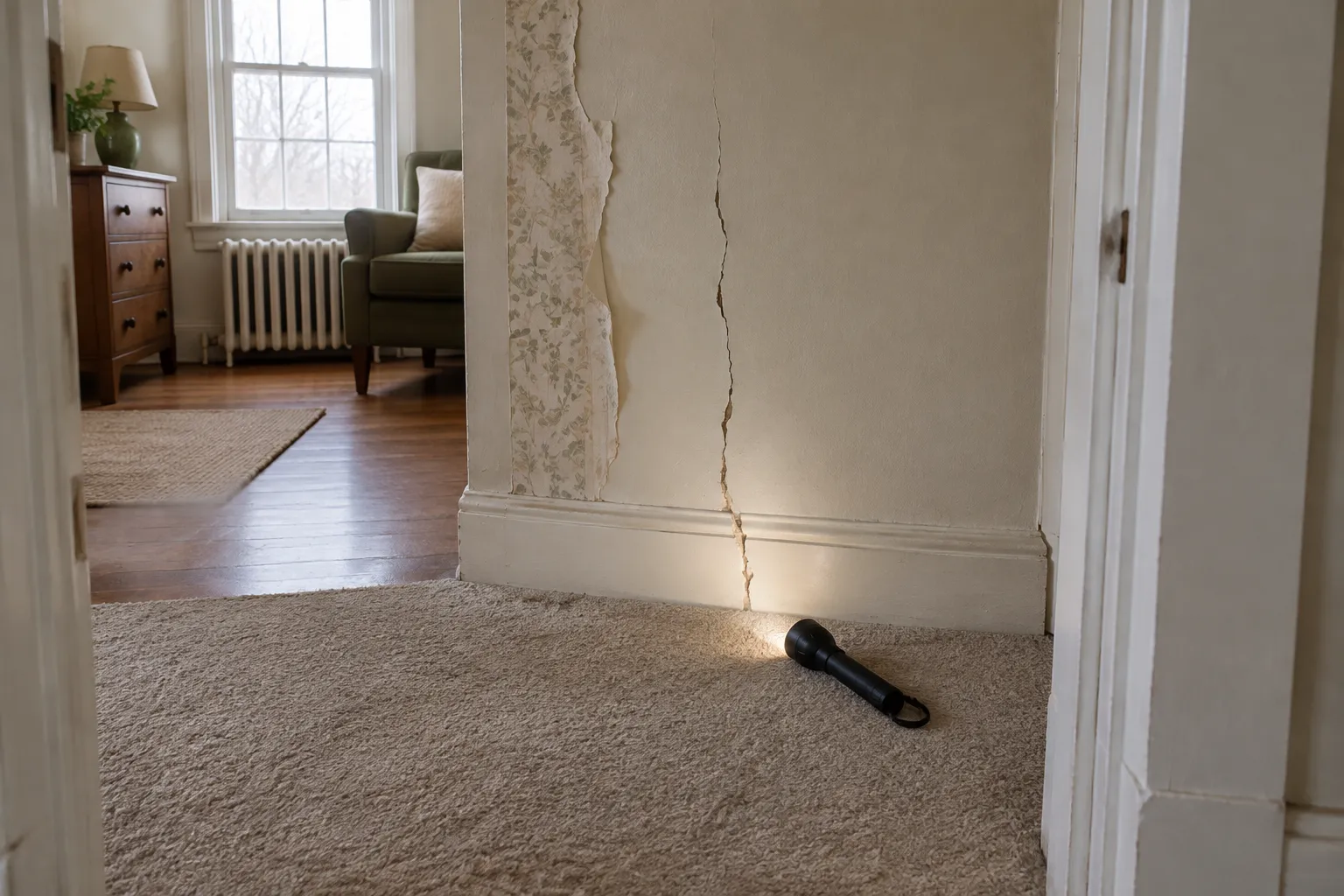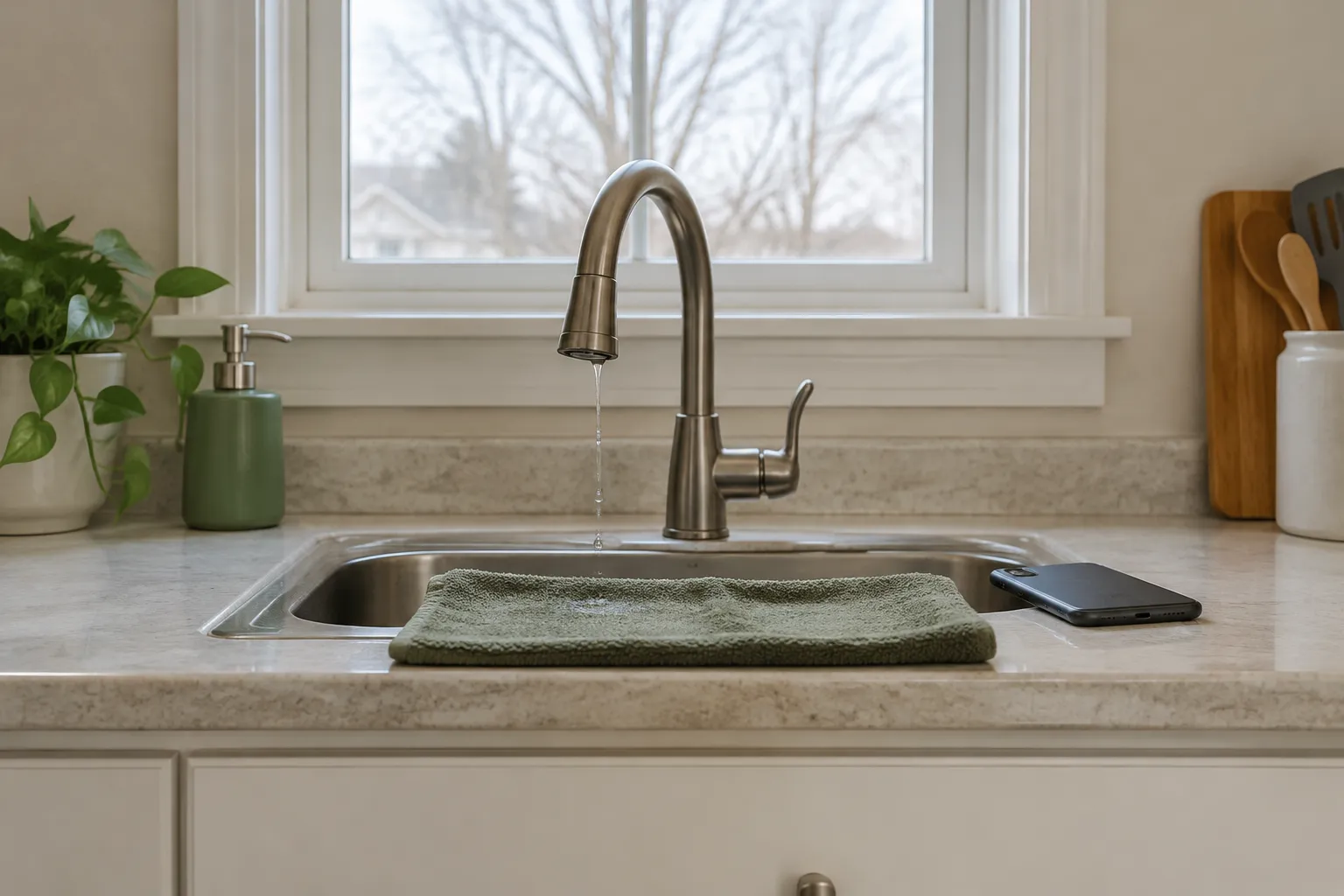
A repair request is only as useful as the information in it. A clear, dated, written report gives your landlord or property manager what they need to decide who should look at the problem and how quickly. This guide explains what to include, how to separate urgent problems from routine ones, and what to keep on file if a repair stalls.
Start With Your Lease and Contact Route
Your lease or rental arrangement may describe how repair requests should be submitted and who handles them. Read that section before you report anything. If the lease is unclear, confirm the contact method with your landlord or property manager, then use that same method for every request so your reports stay in one place.
If a company manages your home, it may coordinate maintenance through its own process. SAP Real Estate’s property management service page describes how maintenance coordination fits alongside tenant placement and rent collection.
Include These Details in Every Report
A report should let someone who has never seen the unit understand the problem without a phone call. Include the following.
- Your name, unit number and full address
- The exact location, such as the bathroom ceiling or the cabinet under the kitchen sink
- What you see, hear or smell, and what the problem looks like when it happens
- When you first noticed it and whether it comes and goes or is getting worse
- Any steps you have already taken, such as shutting a valve or clearing a drain
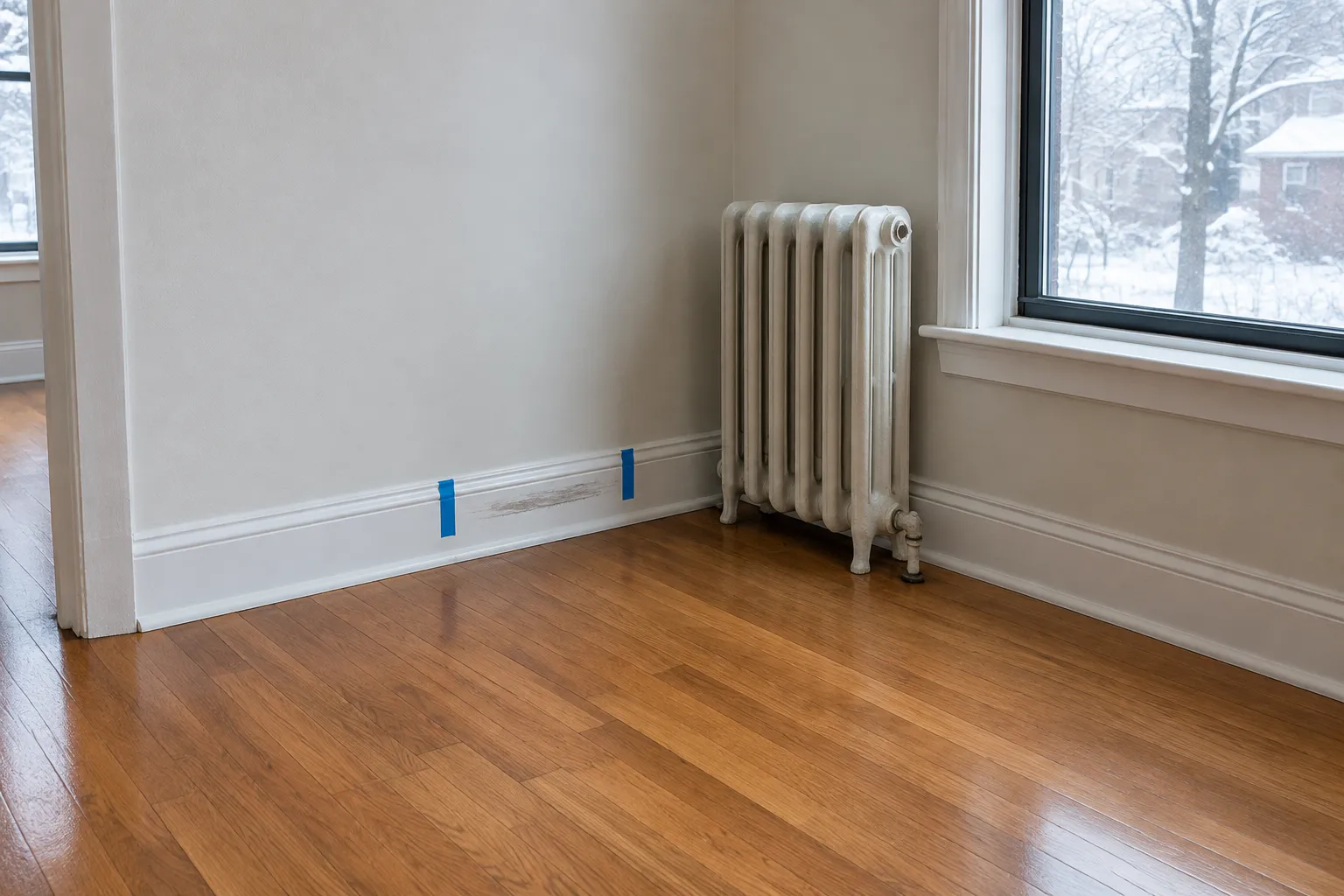
- Photos or a short video, with the date visible if your phone records it
- The times you can be home so a repair person can enter, and the best number to reach you
Separate Urgent Problems From Routine Repairs
How you describe a problem affects how it is prioritized, so state the type of problem clearly in the first line of your report.
Urgent problems
Water coming through a ceiling or from a pipe, a strong gas smell, sparking or burning electrical outlets, and heating failure during cold weather can be urgent. Report them right away, by phone if that is the method your lease specifies, and follow up in writing. If you smell gas, leave the unit and call your gas utility’s emergency line or emergency services from outside before you do anything else.
Routine repairs
A dripping faucet, a sticking door or a loose cabinet hinge can be written up in a message that includes the details listed above. Ask your landlord or property manager how they track these requests, and keep your written message as the record of the request.
Keep a Written Record of Each Request
A written message gives you a date, a description and a response in one place. If you report by phone, send a short follow-up message that summarizes what you said, when you said it and who you spoke with. Keep these records together:
- The date and time each request was sent and how it was sent
- The full text of each message and any reply you received
- Dated photos of the problem before and after any work
- Notes on each visit, including who came and what they did
- Any notes you made about the unit’s condition when you moved in
If you have not yet moved in, you can read questions to ask during an apartment viewing to see the kinds of questions that come up during a walk-through.
What to Do If the Repair Stalls
If you have no response within a period you consider reasonable, follow up in writing. Refer to your original message, restate the problem and ask what the next step is and who is responsible for it. Specific follow-up messages are easier to act on than repeated general complaints.
Questions about your rights, how the repair process works under New York law or what options you have if a problem is not fixed are legal questions. Ask an attorney about your situation, and check official information from the New York State Attorney General’s office. This article does not answer those questions.
Report Problems Early and Keep Written Records
Describe each problem in writing with its location, details and photos, and keep a copy of every message you send. Report urgent issues by the method your lease specifies, and follow up in writing if you hear nothing. Keep your records together so you can show what was reported and when.
Learn more about the people behind SAP Real Estate on the SAP Real Estate team introduction.