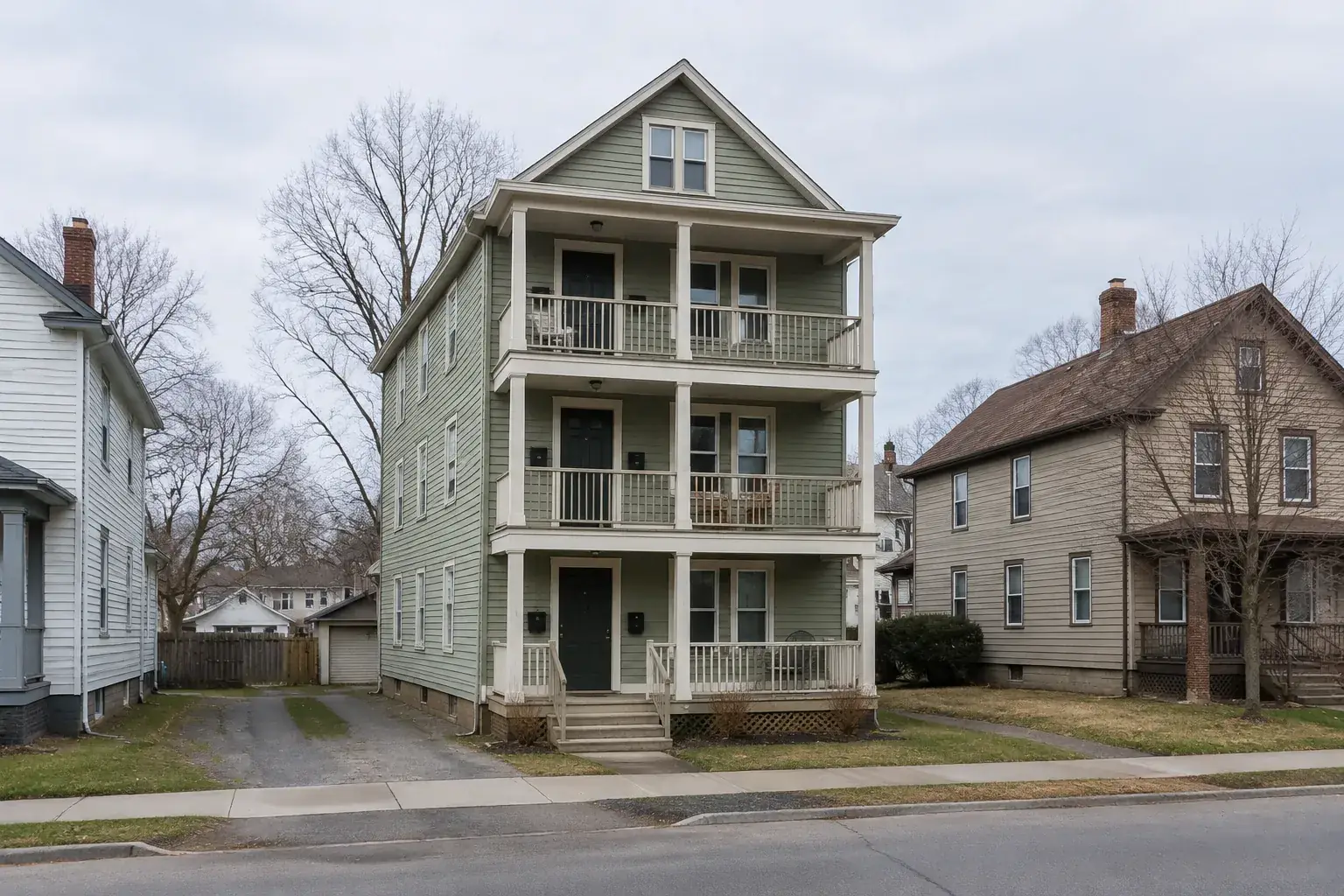
A home that needs work can be a sound purchase or an expensive one, and the difference often lies in what kind of work it needs. Cosmetic updates change how a home looks and feels, while structural problems affect whether it stays stable, keeps water out and works safely over time. This guide explains how to tell the two apart, what to check during your search and how to plan your budget before you make an offer.
Cosmetic Updates and Structural Repairs Are Different Jobs
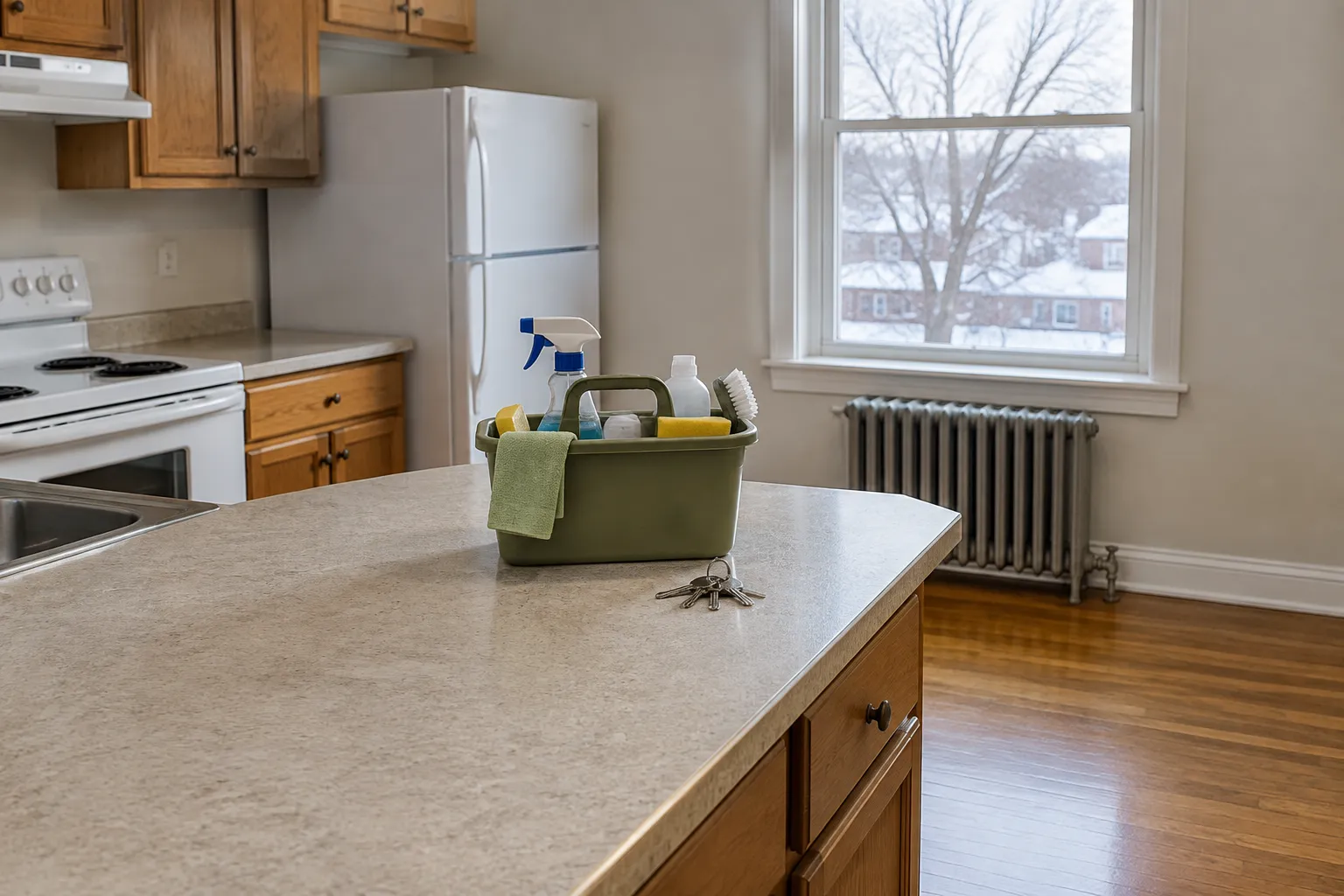
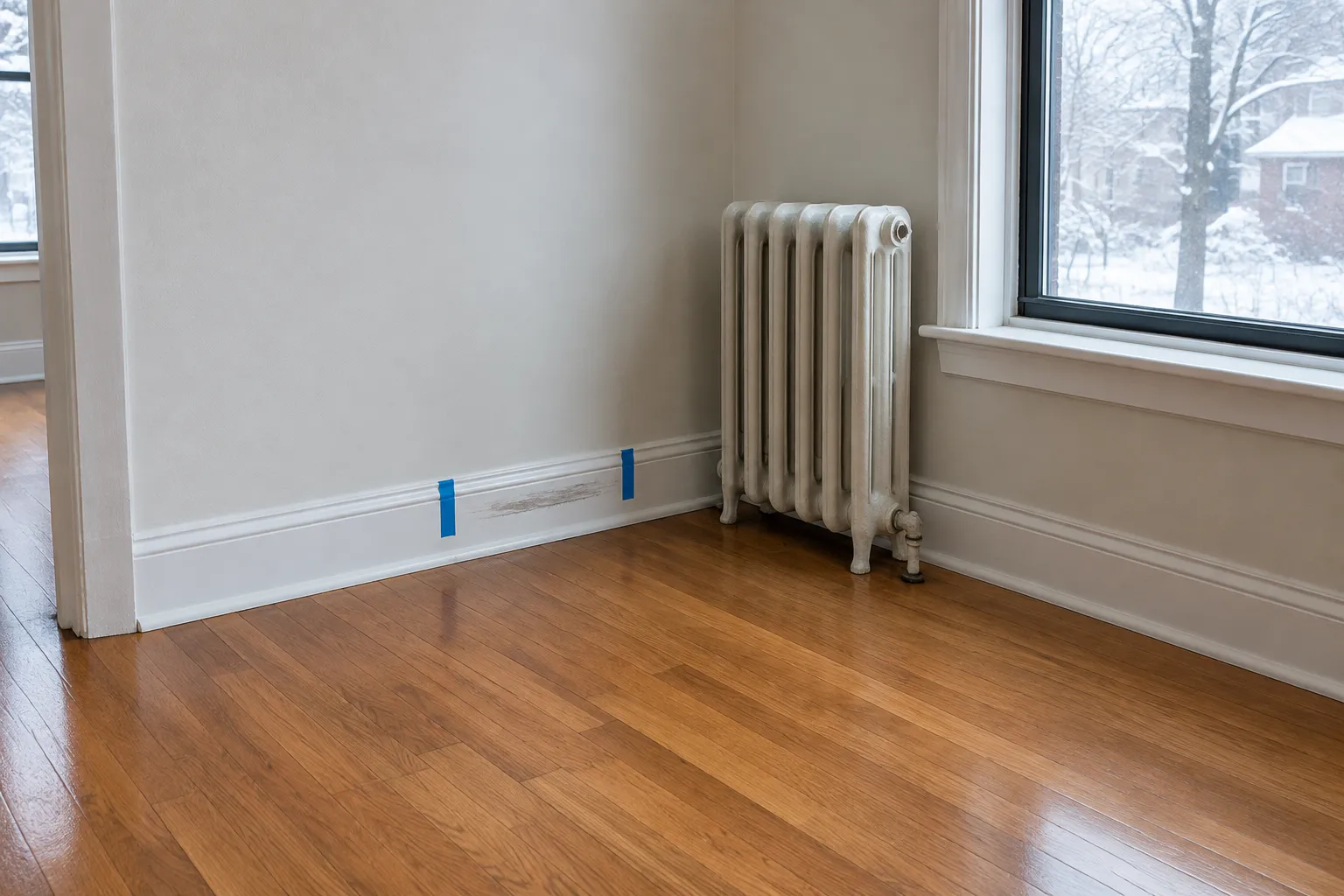
Cosmetic work covers surfaces and finishes such as paint, flooring, countertops, light fixtures, trim and worn hardware. It is usually visible, can often be done in stages and generally does not change how the house is supported or protected from weather. Structural work involves the parts that carry loads and shed water, including the foundation, floor and roof framing, load-bearing walls, chimneys and the exterior envelope. Structural problems are harder to scope because the damage is often hidden until walls, floors or ceilings are opened, and they can affect other systems once they are exposed.
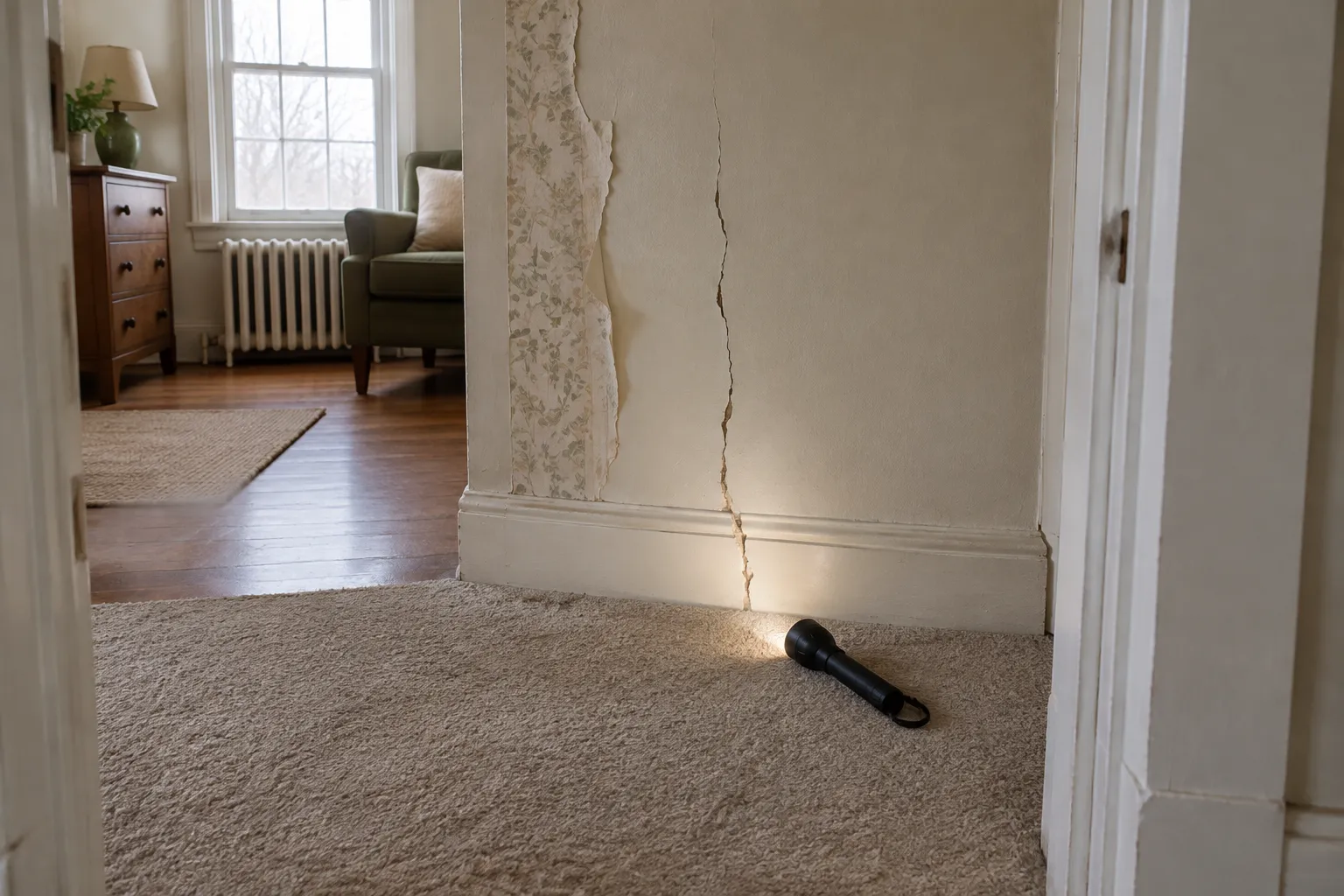
Signs That May Point to a Structural Concern
The signs below are not diagnoses. Each one is a reason to ask a qualified inspector or structural engineer to look more closely before you commit to the purchase.
- Cracks in foundation walls that are wide, growing or offset from one side to the other
- Floors that slope noticeably or feel soft when you walk across them
- Doors and windows that stick in a pattern across several rooms
- Stains, soft spots or a musty smell in the basement, crawl space or attic
- Sagging roof lines or gaps where the roof meets a wall or chimney
What to Check Before You Make an Offer
Walk through the home with a written list rather than a general impression. Focus first on the basement or crawl space, the attic, the roof edges and any area where water has entered. Note which items look cosmetic and which need a closer look, then ask your agent what the listing history shows and what information the seller has provided about the property.
- Water marks, efflorescence or dampness near the foundation and at floor level
- Electrical panels, visible wiring and outlets that look altered or unfinished
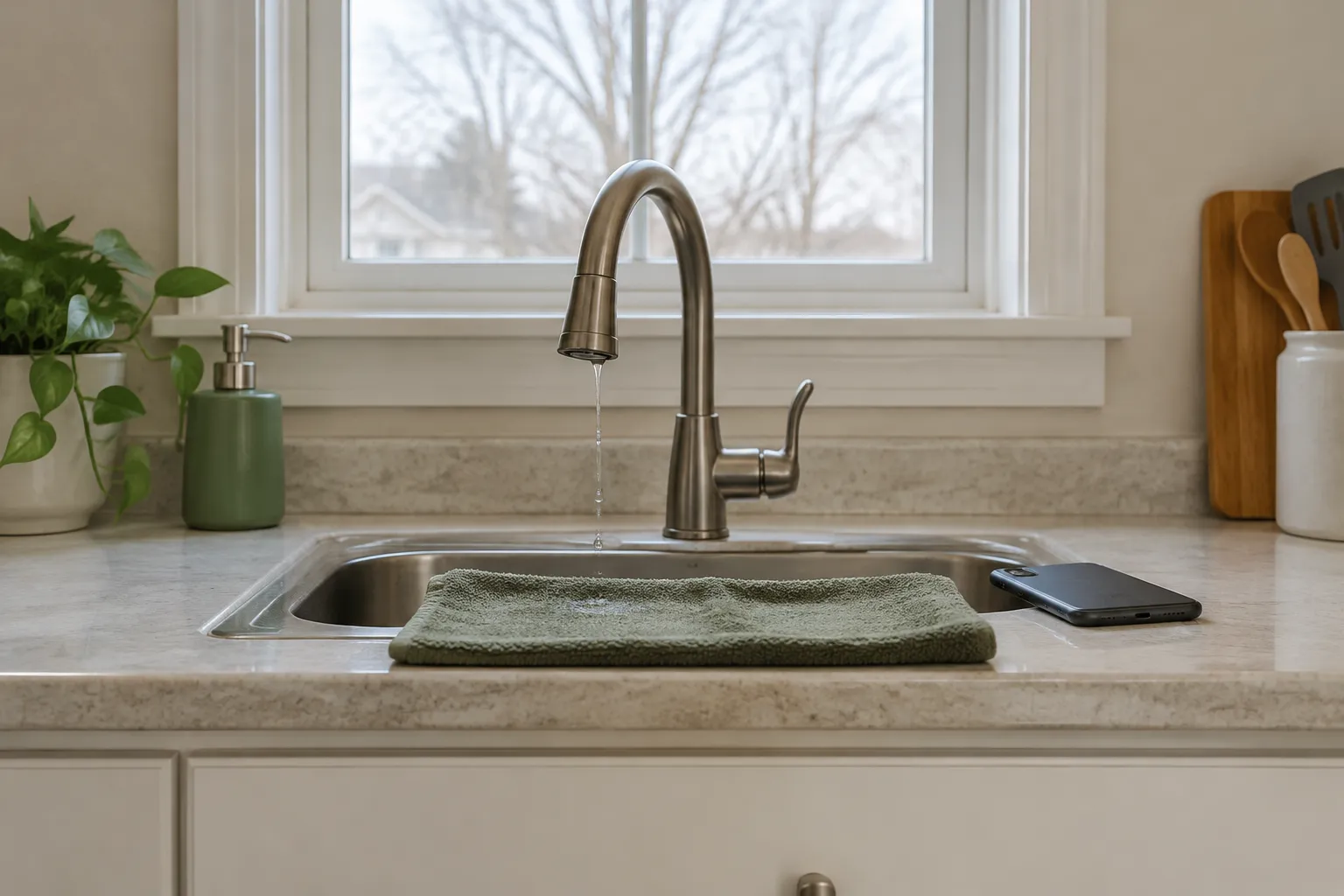
- Plumbing fixtures, water pressure and any signs of past leaks under sinks
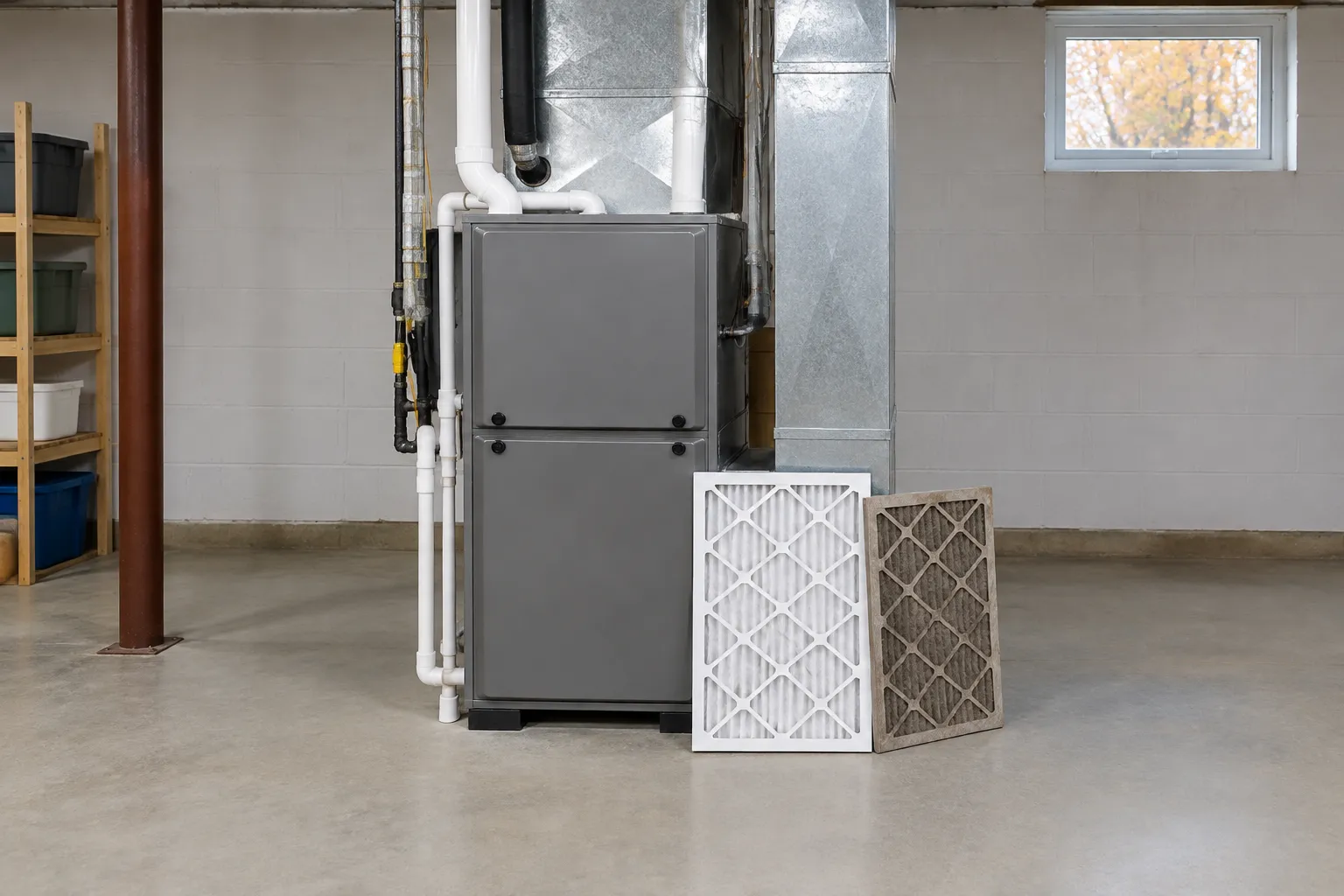
- Heating and cooling equipment, with its age and service history if they are available
- Chimneys, exterior siding and gutters where they meet the roof
How Inspections and Contractor Estimates Fit Your Decision
A general home inspection looks at visible conditions and reports on the systems and structure at the time of the visit. It does not usually open walls or produce exact repair costs. For a suspected structural issue, a structural engineer or a licensed contractor can give you a more specific scope of work. Ask your agent what the purchase agreement says about inspection timing and how repair findings are handled, and ask an attorney to explain any clause you do not understand before you sign.
Budgeting for Repairs Before You Finance the Purchase
Separating Known Costs From Unknown Ones
Divide the work into items you can price now, such as paint or a kitchen refresh, and items that depend on what is found behind walls or under floors. Set aside a margin for the second group rather than treating it as a surprise. Ask several contractors for written estimates on any structural item, and ask each one exactly what the estimate excludes.
Using a Mortgage Payment Calculator and Asking About Renovation Financing
Use the mortgage payment calculator to see how a monthly payment changes when you adjust the home price, down payment, interest rate or loan term. It estimates the base mortgage only and does not include repair work. Ask your lender which financing options exist for renovations, how repair funds are released and what documents the lender will need from your contractor.
A Quick Reference for Sorting Repair Items
Use this table to sort each item on your list before you speak with your agent, inspector or lender. The questions in the last column give you a starting point for those conversations.
| Type of work | Examples | Questions to ask |
|---|---|---|
| Cosmetic | Paint, flooring, countertops, light fixtures, trim, worn hardware | Can this be done in stages, and does anything behind the surface need a closer look first? |
| Mechanical | Electrical panel and wiring, plumbing, heating and cooling equipment | What is the age and service history, and should a licensed professional evaluate it before I make an offer? |
| Structural | Foundation, floor and roof framing, load-bearing walls, chimneys, exterior envelope | Should a structural engineer look at this, and what will a written estimate include and exclude? |
Organize Your Search Before the Walkthrough
Before you walk through a property, read Touring a Home Room by Room to organize your notes by room. Once you have a shortlist, How to Read a Home Listing explains how to interpret photos and status labels before you schedule a visit. When you are ready to compare homes, browse current listings on our home search page for listings.
Turn Your Repair List Into a Clear Plan
Sort every item into cosmetic, mechanical or structural before you make an offer, and ask a qualified inspector to examine any area where the signs above appear. Get written estimates for structural work and confirm with your agent how the purchase agreement treats inspections and repairs. Then decide which items you will address before moving in and which can wait. SAP Real Estate is a Syracuse brokerage serving Syracuse and Central New York with home sales, purchases, rentals and property management, and you can reach our team through the contact page with questions about buying.