A home tour gives you a short window to judge a property, and it is easy to leave with impressions instead of information. This guide walks through a tour one area at a time, describing what to look at, what a visible condition may point to and what to confirm before you decide. It is written for readers touring homes in Syracuse and Central New York, and it does not replace a full inspection.
Prepare Before You Arrive
Start with the listing itself. Read the photos, description and status label, and note anything the listing says about recent work or what is included in the sale. If the status is unclear, ask your agent what it means for showings, offers and the seller’s timeline. The guide on reading listing photos and status labels explains how these details are commonly presented.
Bring a notebook or phone for photos, a flashlight for dark areas and a written list of questions. Use the same notes format in every home you tour so you can compare the homes later.
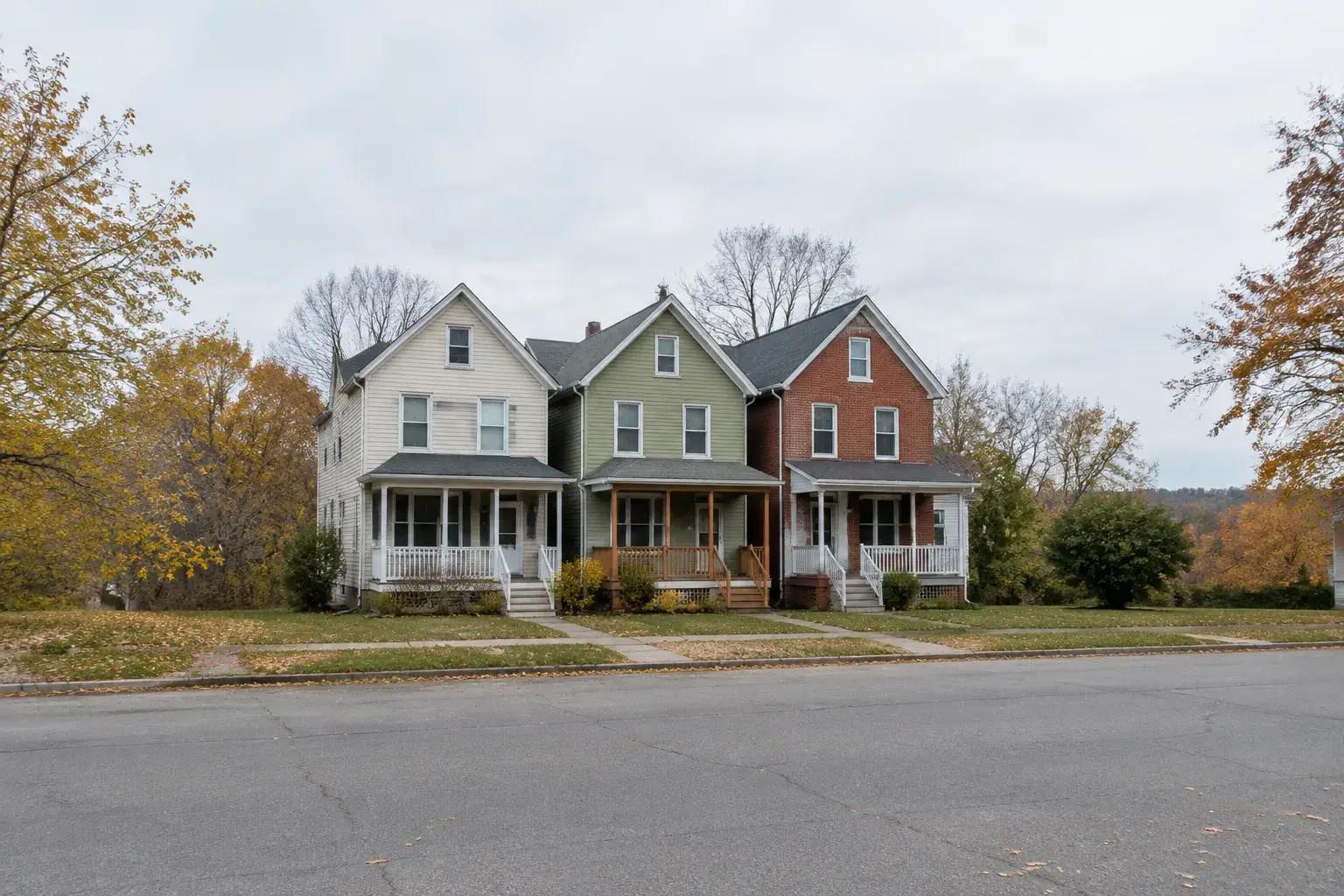
Exterior, Roof and Entry
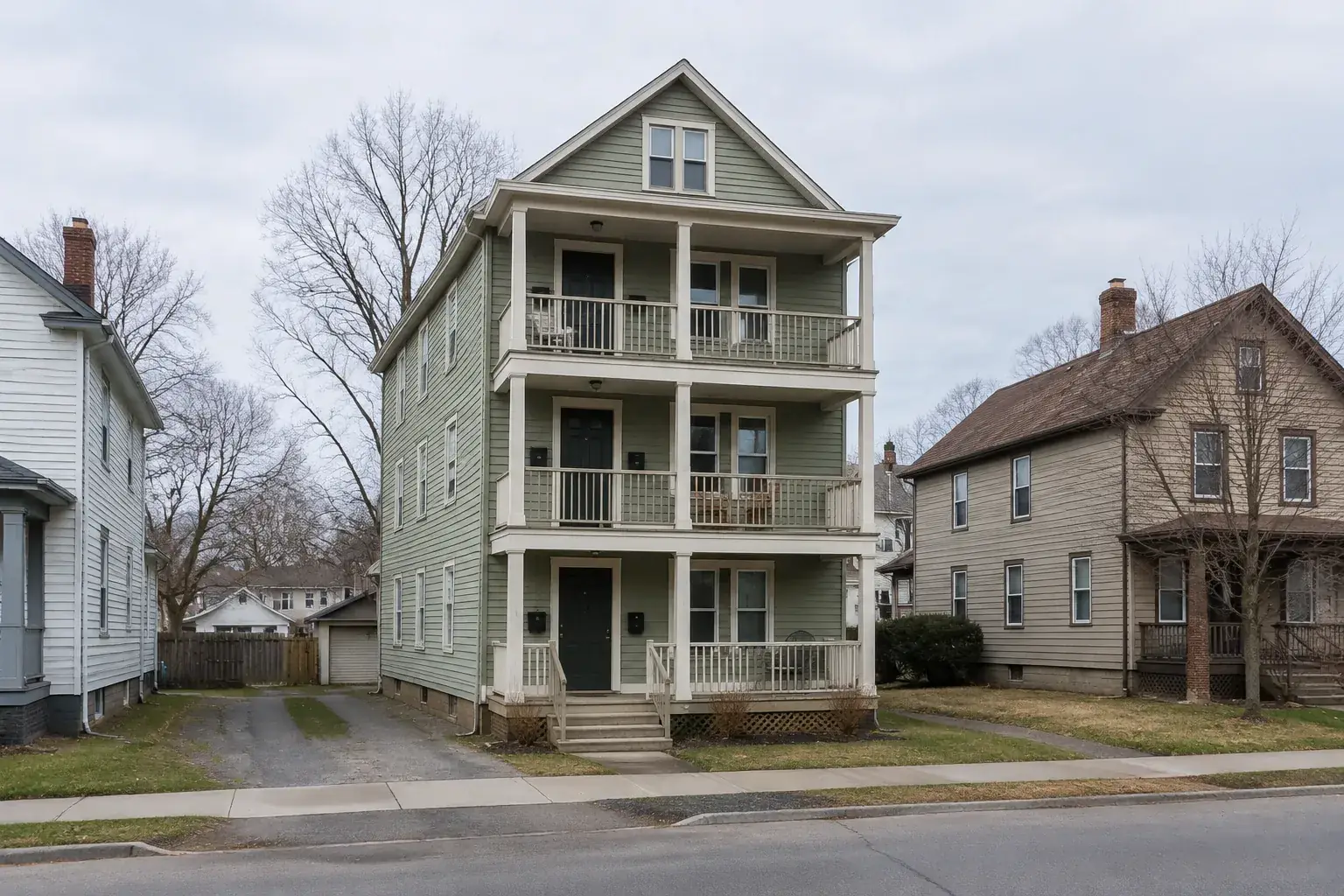
- Look at the roofline and gutters for sagging, missing shingles or debris, and note whether downspouts direct water away from the foundation.
- Walk the ground around the house. Pooling water, soil that slopes toward the foundation or staining on siding near the ground are worth a closer look.
- Check steps, railings, porches and walkways for loose or cracked sections.
- At the entry, test the door, locks and threshold, and look for gaps or water marks along the frame.
These are observations, not diagnoses. Each one tells you where to ask a question, and the answer comes from the seller, your agent and an inspection.
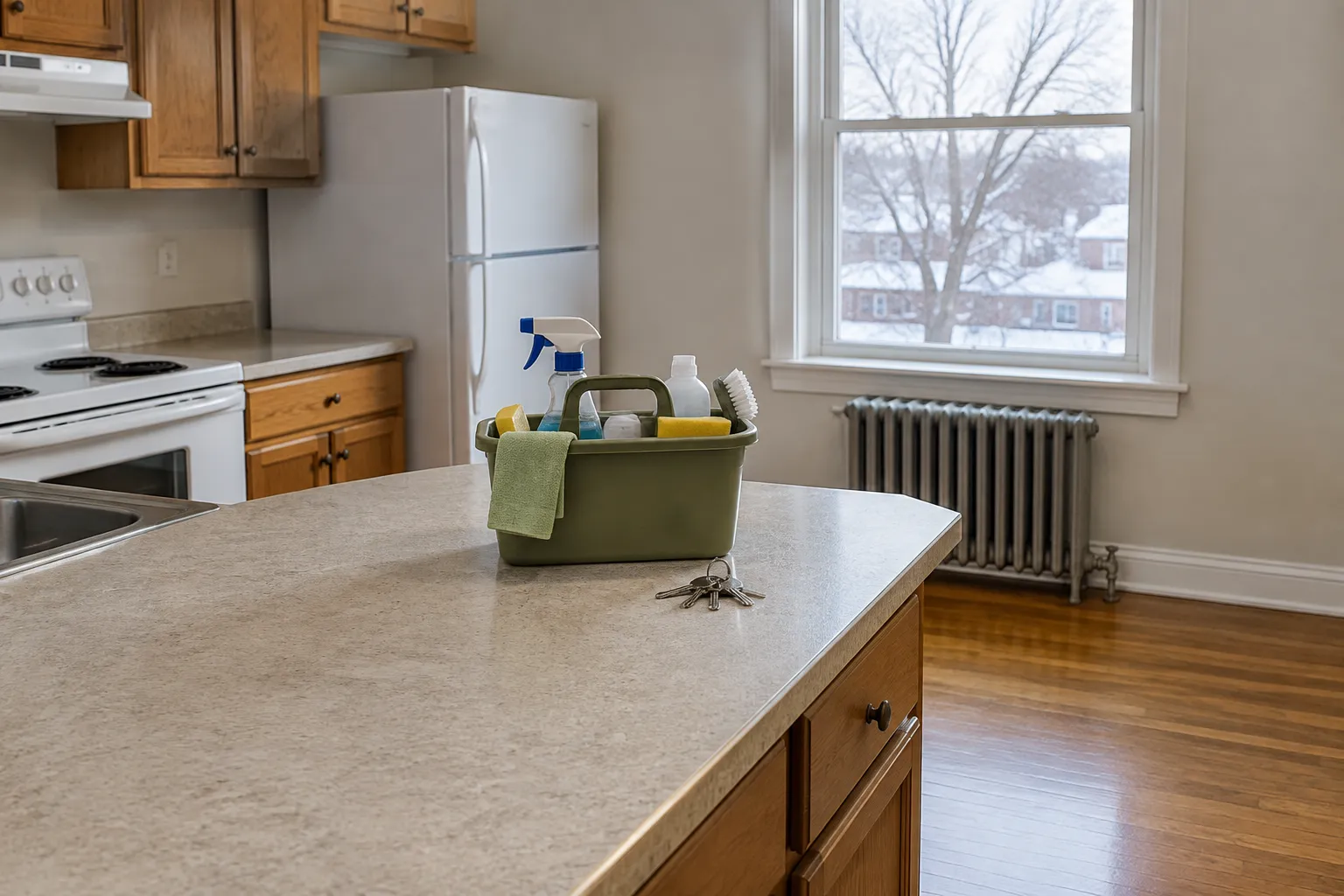
Kitchen and Laundry Area
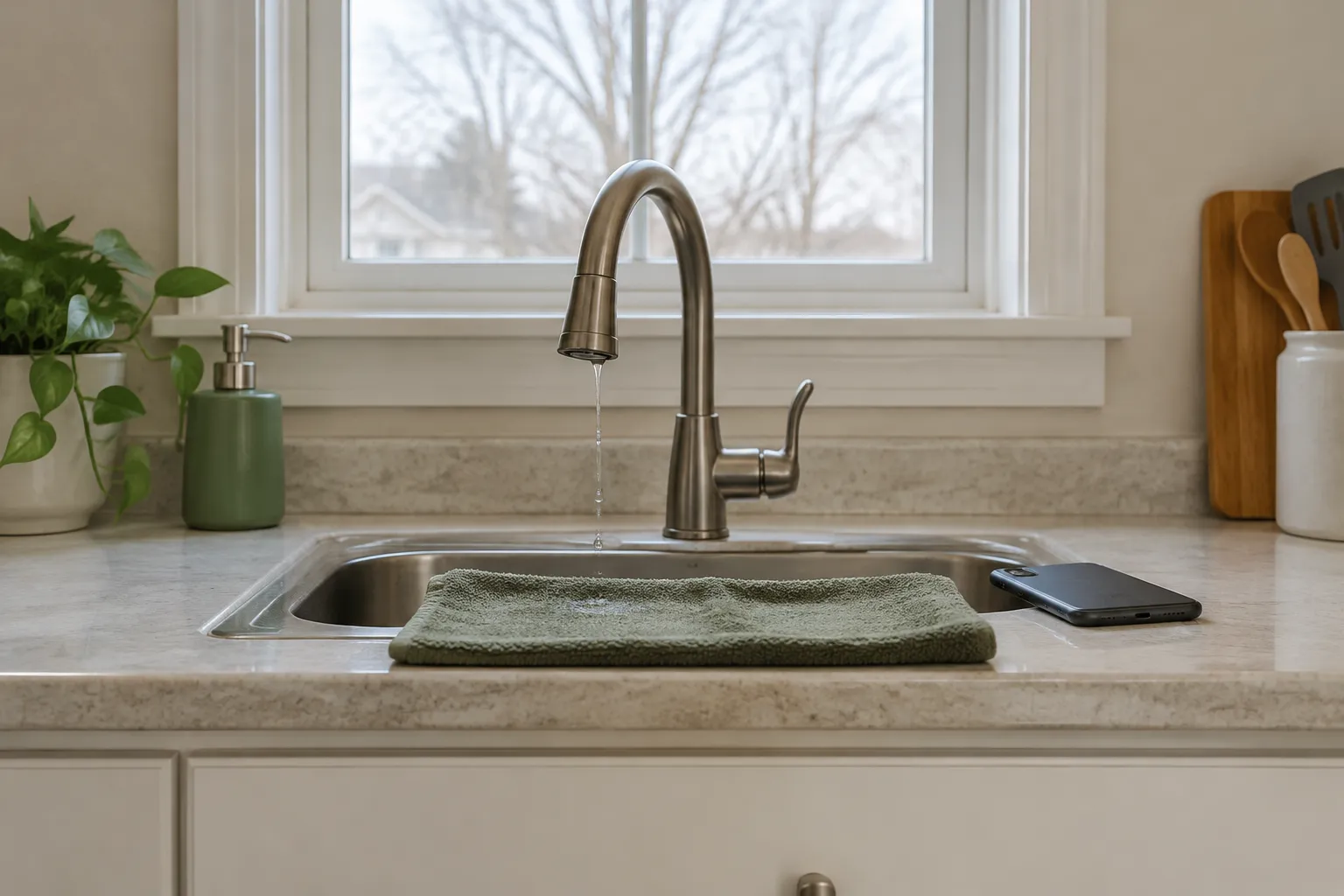
- Run water at each sink and in the tub, and note the pressure and how quickly the drains empty.
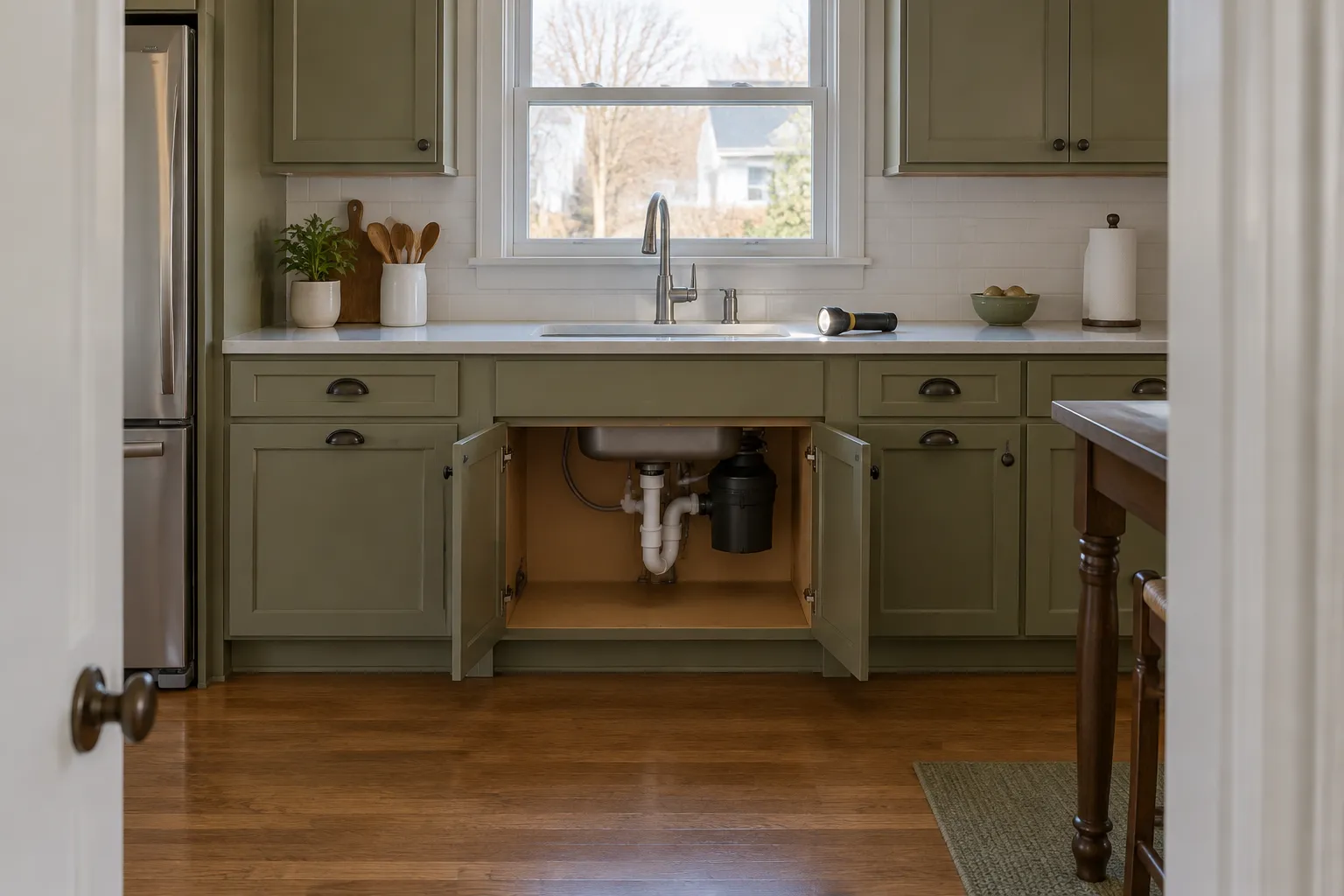
- Open the cabinet beneath each sink and look for damp wood, staining or residue.
- Test the range hood and any ventilation fan, and confirm that air moves outdoors rather than only making noise.
- Ask which appliances stay with the home, and check laundry hookups for corrosion or dampness.
Bathrooms
- Check the caulk and grout around the tub and shower for gaps, and press gently on the floor near the toilet to feel for soft spots.
- Look at the ceiling below any bathroom on an upper floor for staining.
- Run the exhaust fan and confirm that its path to the outside is clear.
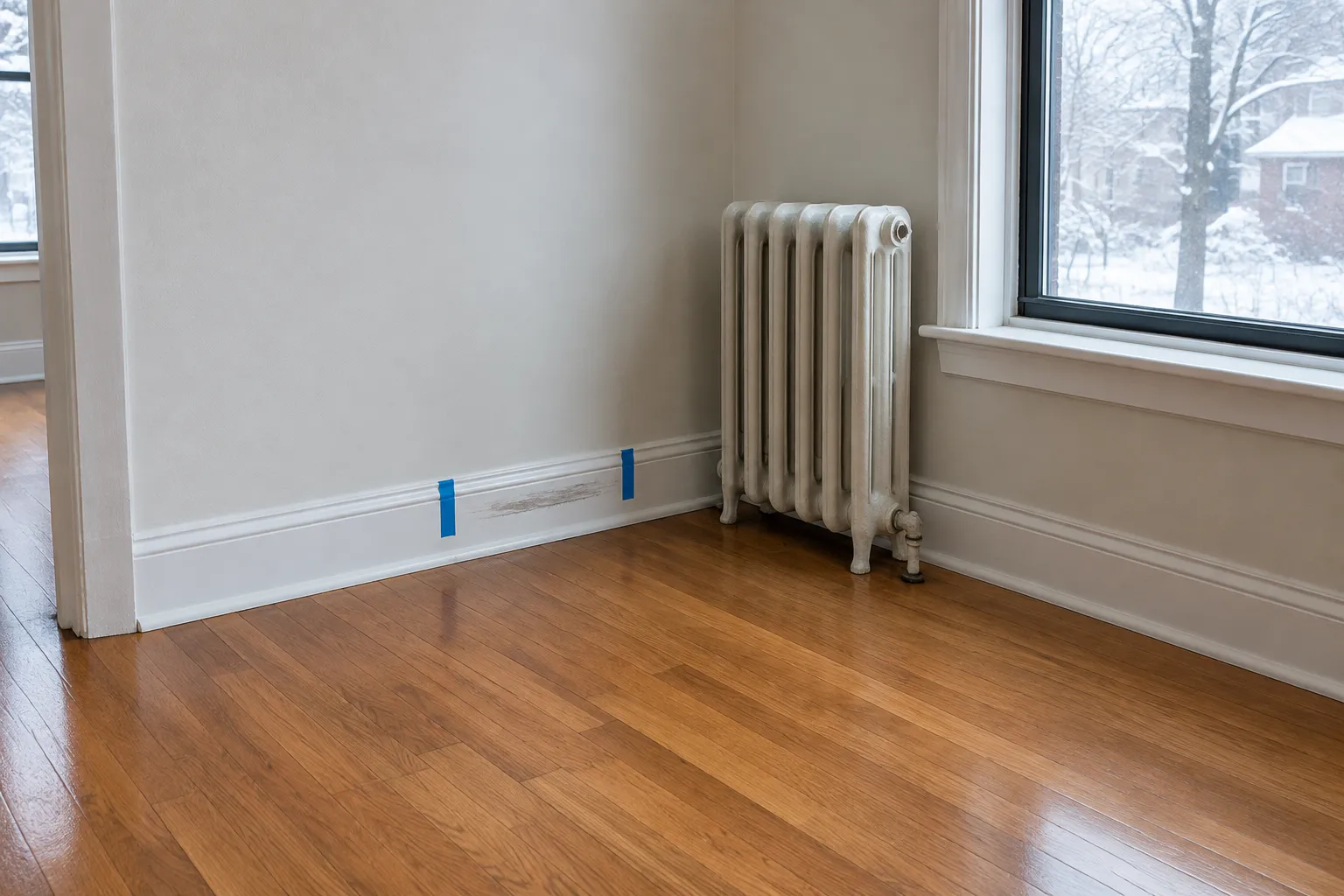
Living Spaces and Bedrooms
Open and close every window, and check that locks and screens work. Turn on lights and test the outlets you expect to use. Look at ceilings and corners for cracks or stains, and walk the floors to notice slopes, soft areas and gaps at the trim. Open closets to check their depth and whether they have airflow. Measure the main rooms against the furniture you plan to bring, and if you can, return at a different time of day to hear how loud the street or neighboring activity is.
Basement, Attic and Storage Spaces
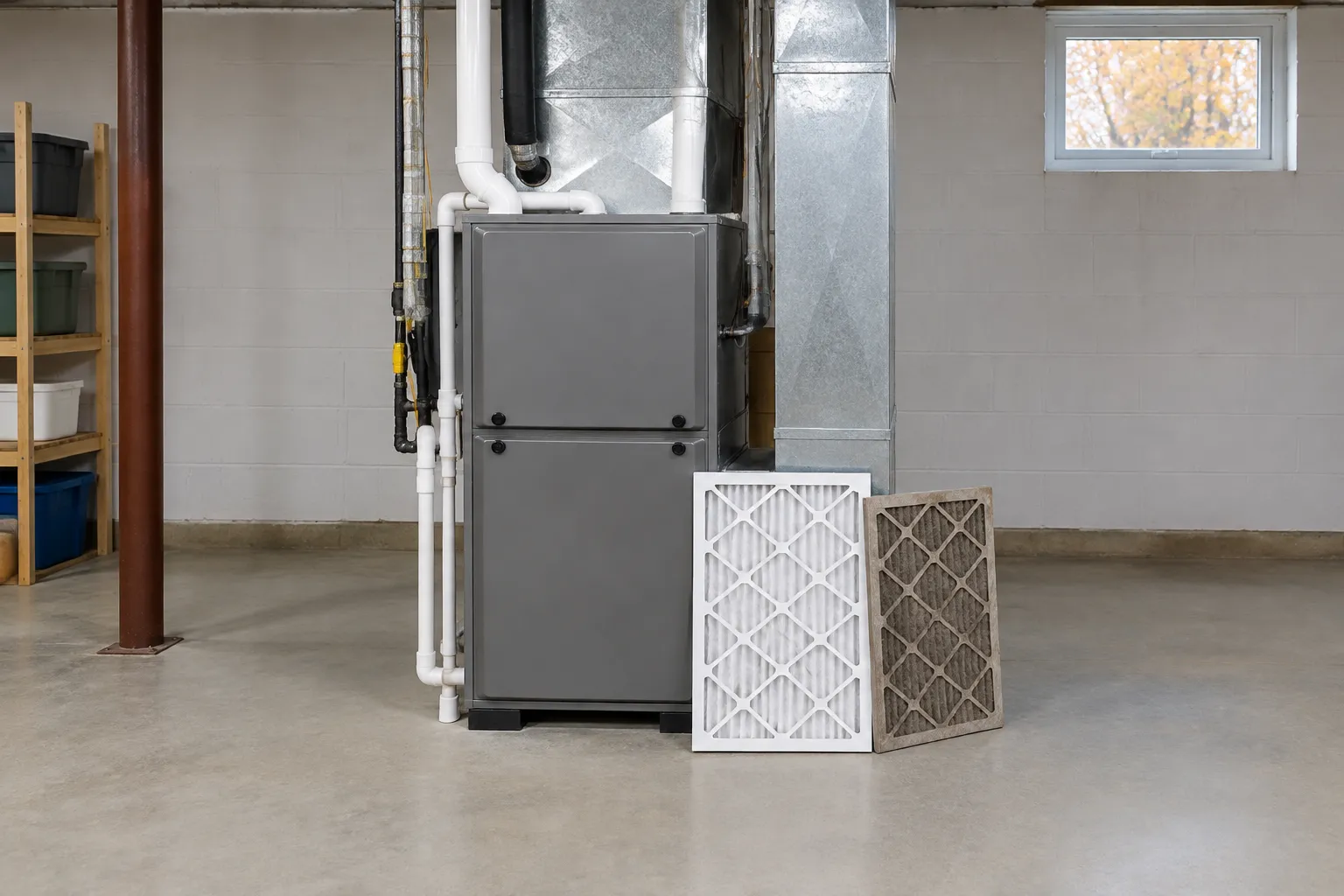
Lower and upper storage areas can show moisture and structural issues that are easy to miss in a quick walkthrough, so give them time. In the basement, look at the walls, floor corners and the area around a sump pump if one is present. Note any musty smell, white residue on masonry, stains on joists or subfloor, and whether a dehumidifier or fan is running. In the attic, look at insulation, visible wiring and any dark marks on roof boards. Ask when the heating system and water heater were last serviced, and ask whether the seller has records for any water problems or repairs.
Signs That Need a Follow-Up Question
| What You See | What It May Point To | What to Confirm |
|---|---|---|
| Staining on a basement ceiling or wall | Past water entry, which may be old and dry now | Ask the seller about past leaks and ask the inspector to check the area |
| Cracks wider than hairline in a wall or floor | Movement or settling, which can range from cosmetic to serious | Ask the inspector to evaluate the crack and ask whether a structural professional is needed |
| Sloping or soft floor areas | Framing or subfloor concerns, or simply the age of the building | Ask for repair history and have the inspector check the framing |
| Damp cabinet bottoms under a sink | A slow leak or an earlier repair | Ask whether a repair was made and confirm the condition during inspection |
| Freshly painted or patched ceiling areas | A recent cover-up, or only a cosmetic refresh | Ask what was painted and why, and view the area from the attic if access allows |
Questions to Ask Your Agent During the Tour
- What does the listing status mean for showings, offers and the seller’s timeline?
- What has the seller shared about past repairs, leaks or work done on the home?
- Which items are included in the sale, and which may be negotiated?
- What utility bills, service records or warranties are available for review?
- Which concerns should be brought to an inspector before you decide?
Using Your Notes to Decide
Write notes for each room while you are there, with the time and a short description. Photos help, but they do not show smell, airflow or how a room sounds. After the tour, compare your notes across homes using the same categories so the differences are visible. A monthly payment depends on the home price, down payment, interest rate and loan term, so the Mortgage Calculator page can help you test how different figures change the estimate before you speak with a lender. Questions about appraisal, inspection timing or contract terms belong with your agent, your lender or an attorney.
Turn Your Tour Notes Into a Clear Next Step
Sort your notes into concerns you can answer through questions, items for an inspector and items that affect your budget or timeline. Send your agent your questions in writing so the answers are on record. If a home still fits after that review, decide whether to schedule an inspection before you make an offer. SAP Real Estate is a Syracuse brokerage serving buyers across Central New York, and you can browse the home search page for listings or send a question through the message form on our contact page.