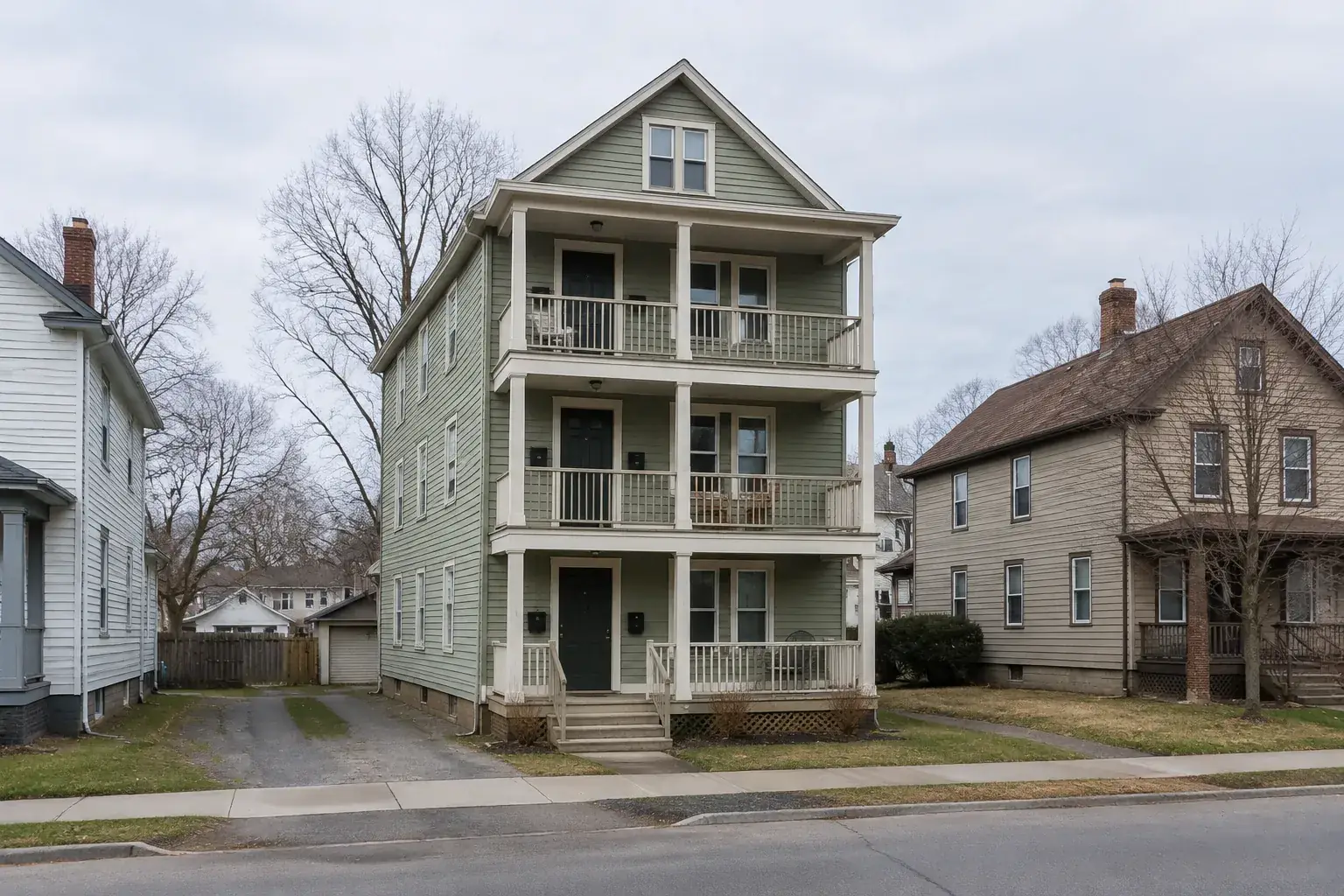
A showing is a buyer’s chance to walk through a home in person, and the setup before that visit shapes how the buyer sees it. Preparation is less about making a house look like a model and more about removing obstacles: unclear access, cluttered rooms, pets underfoot and appointments that cannot be kept. This guide covers how to plan the schedule, arrange access and tidy the home so buyers can focus on the space itself.
Decide How Showing Requests Will Reach You
Before the listing goes live, settle who receives showing requests, who confirms times and how much lead time you need before each visit. You may prefer to be reached for every request. You may also want an agent to screen requests and offer fixed windows. Either approach can work, but the choice affects how often you will need to leave the house and how much warning your household gets.
- Who answers calls or messages when a buyer’s agent asks for a time?
- Are showings open-ended, or limited to set windows during the day?
- How much lead time do you need to tidy up and leave the home?
- Will you be present during showings, or will the home be empty?
- What happens when a request arrives during meals, work hours or other commitments?
Build a Showing Schedule You Can Keep
A schedule that looks generous on paper can become a source of stress if it cannot be followed. Start with the hours when you are usually away from the home, then build around them. Keep one shared calendar that the agent and everyone in the household can see, and route changes through a single channel so requests are less likely to be missed.
- List the hours you can realistically leave the home each week.
- Pick two or three repeating windows for showings and mark them on the calendar.
- Agree on how long each visit will last, including time for a final walk-through.
- Decide in advance how requests outside those windows will be handled.
- Review the schedule after the first week and adjust where it is not working.
Arrange Access Without Losing Track of Keys
Access is a part of showings that can cause delays. Buyers and their agents need a dependable way into the home, and you need a way to control who enters. Common arrangements include a lockbox, a key held by the listing agent, a code-based entry or an appointment where the seller is present. Each one trades off convenience, control and record keeping differently.
| Access method | What it offers | What to weigh |
|---|---|---|
| Lockbox with agent key | Quick entry without you present | Confirm who holds access and how codes are changed |
| Key held by listing agent | Consistent handling of keys | Depends on one person being available and organized |
| Seller present for each showing | Direct answers and full control over the visit | Requires you to be home at every scheduled time |
| Code-based entry | No physical keys to hand over | Codes need to be shared carefully and tracked |
Whatever arrangement you choose, make a short written list of everyone who has access to the home, and confirm how each person gets in. Ask the listing agent to explain the options that fit your property and your schedule.
Unannounced Visitors and Requests From People Not on Your List
Plan for the visitor who knocks without an appointment or the request that comes from someone you do not recognize. Agree with your agent ahead of time on a simple response, and share it with everyone in the household.
- If someone arrives without an appointment, politely ask them to contact your listing agent to book a time instead of letting them in.
- If you are not home, ask the agent to be the point of contact so that the household is not making decisions on the spot.
- When a person who is not on your written list asks for access, hold the request until the listing agent has confirmed who the person is and who they represent.
- Ask the agent to tell you the name and brokerage of each visiting agent before the appointment, and update the written list afterward.
- Decide who in the household may approve a change, so there is one answer instead of several.
Tidy the Home Room by Room
Tidying for a showing is less about deep cleaning and more about clearing sightlines. A buyer should be able to see the size of each room, the condition of its surfaces and how light moves through it. Work through the home in the order a visitor will experience it, starting at the entrance and finishing with the rooms people tend to overlook.
Entryway and Living Spaces
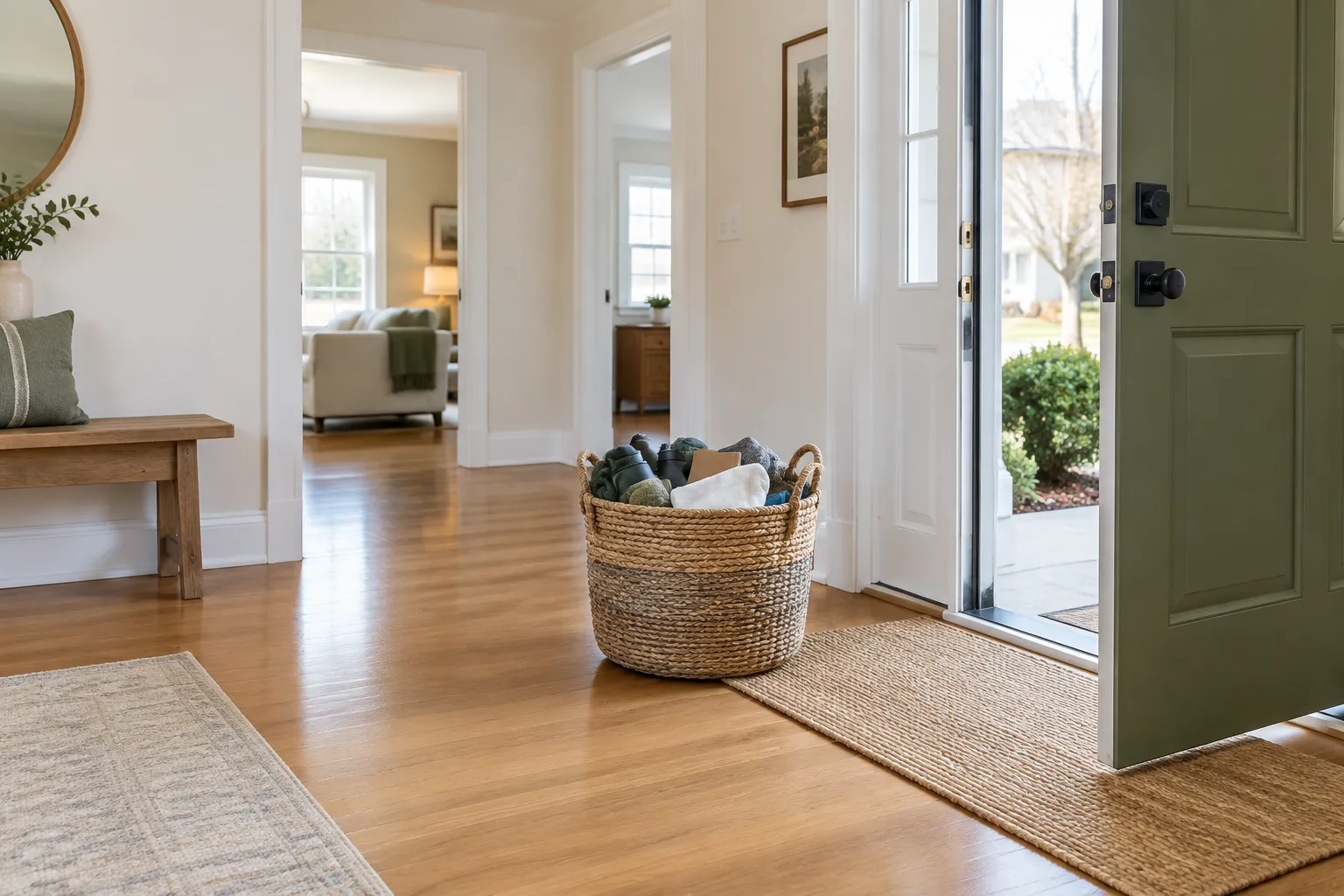
- Clear shoes, bags, mail and coats from the entry.
- Remove extra furniture so walkways feel open.
- Open blinds and turn on lights, including lamps.
- Put away remote controls and toys.
Kitchen and Bathrooms
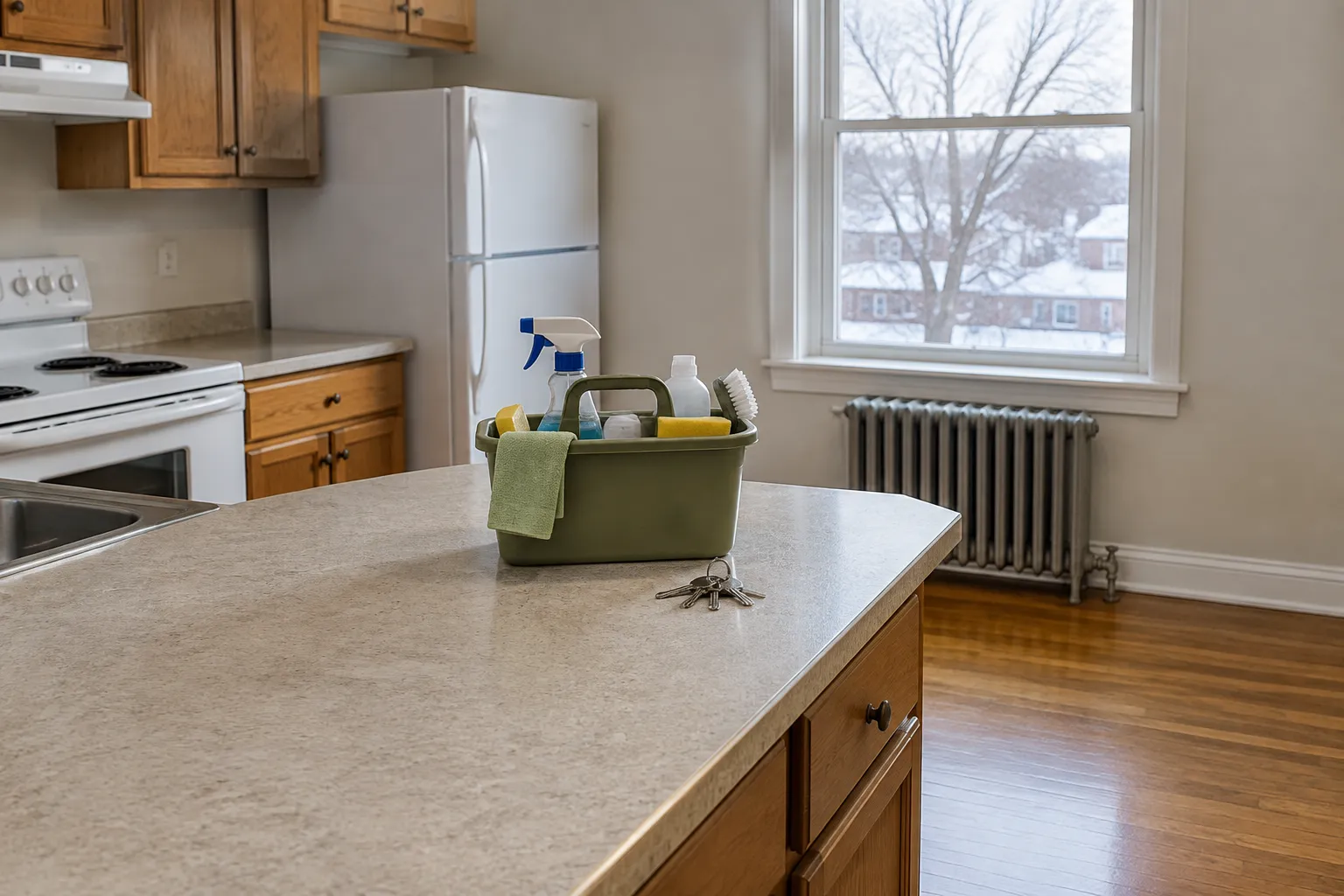
- Clear counters except for one or two decorative items.
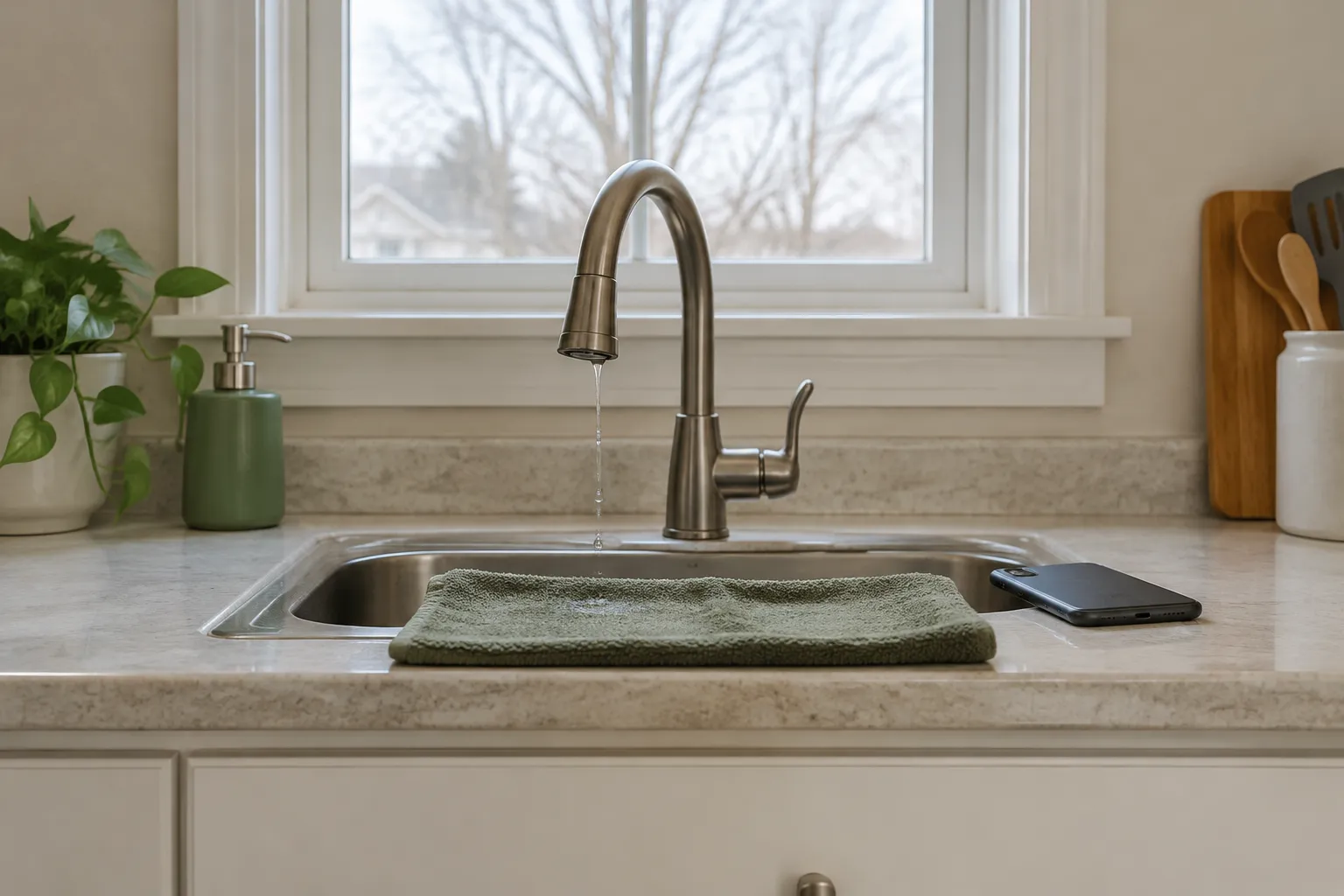
- Empty and wipe sinks so fixtures look ready for use.
- Hide toothbrushes, cleaning products and bath mats that crowd the room.
- Close toilet lids and check that faucets and drains are working.
Bedrooms and Storage
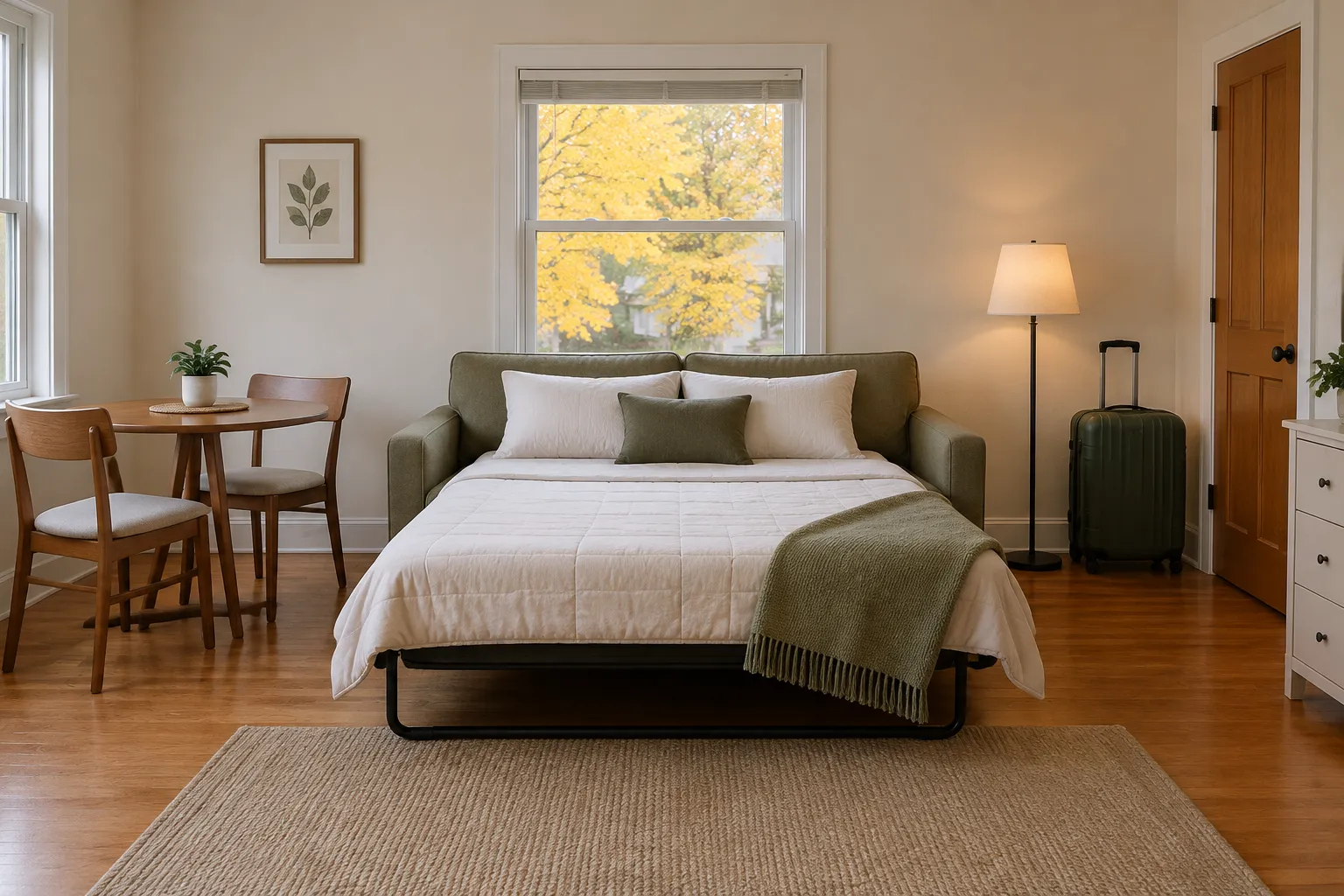
- Make beds and keep floors clear.
- Open closets slightly and remove overflow so storage looks adequate.
- Store seasonal items out of sight.
Handle Pets, Odors and Personal Belongings
Pets, strong odors and personal belongings can distract visitors from the home itself. Animals underfoot can distract a visitor and make the walk-through harder to follow. Plan where pets will spend showing time, such as with a sitter or a trusted contact, and keep pet supplies tucked away. Air the home before visits, and avoid heavy cooking just before a scheduled time. Keep valuables, personal papers and daily medications out of open areas.
Keep the Home Ready Between Visits
A quick reset after each showing can reduce the amount of resetting needed between visits. A short routine helps the work stay manageable across a busy listing period.
- Return lights and blinds to their starting positions.
- Take out trash and dishes after each visit.
- Check the entry and walkways for anything that has been left behind.
- Note any feedback from agents and decide whether it changes the setup.
Choose Your Priorities for Listing Day
Not every improvement deserves the same effort. Work through the home in this order, and weigh the trade-off at each step.
- What a visitor sees first: the front entry, the door and the main living area. Put effort here first, because it shapes the first impression; the trade-off is that rooms further in get less attention.
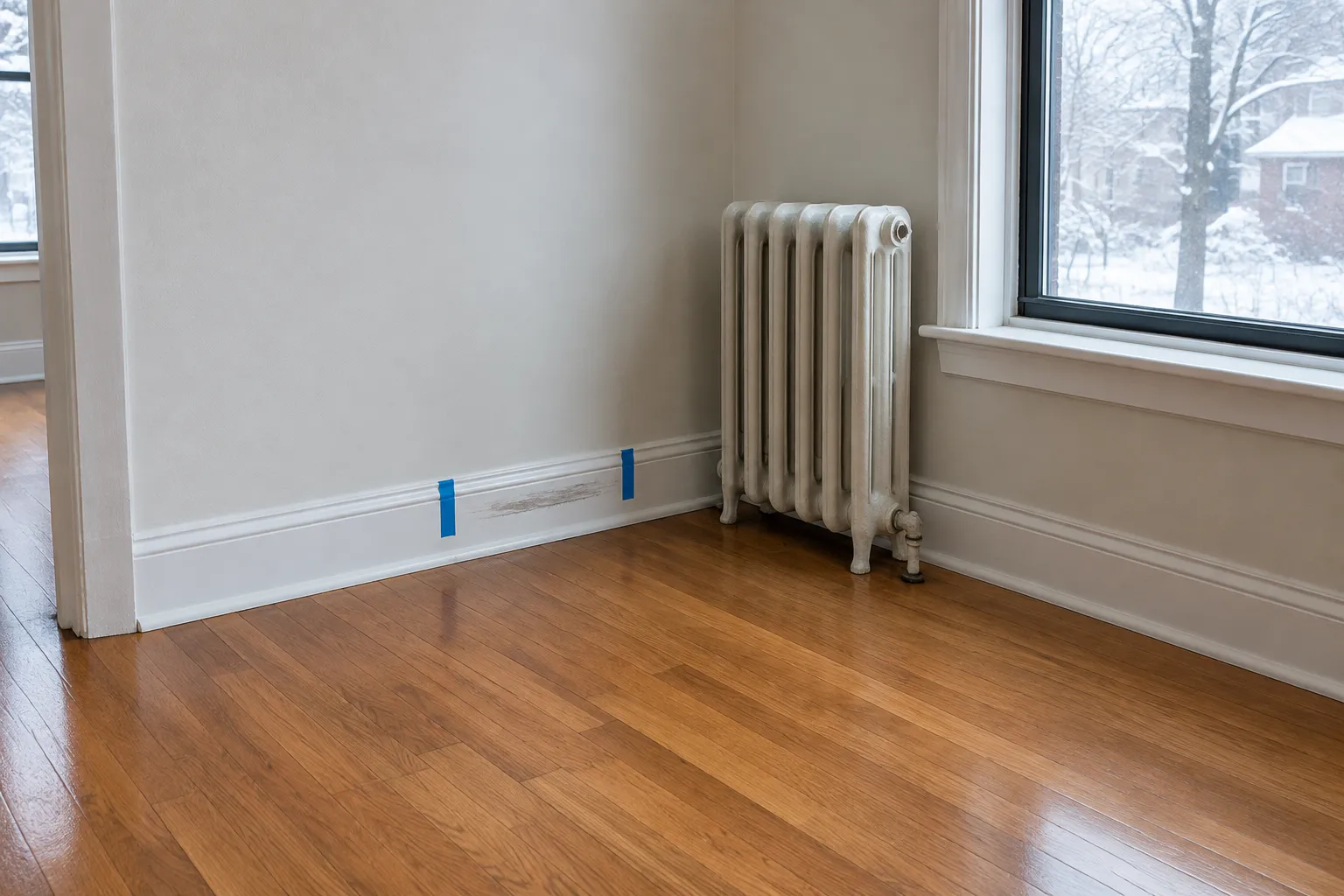
- What to fix now: small items that are visible and quick, such as a burned-out bulb, a sticking door or a dripping faucet. These take little time, but a long repair list can delay the first showing.
- What to skip: large projects and decorative extras that cannot be finished before listing. Skipping them saves time, though a buyer may notice the unfinished item.
- What to leave for the listing agent: questions about whether a repair or update is worth doing. Ask the agent for an opinion on your specific home before committing time.
Showing Preparation Comes Down to Requests Schedule and Access
Three decisions carry most of the work: how showing requests reach you, which windows you can keep and how people get into the home. Settle those first, then tidy room by room and reset between visits. If you want to talk through showing arrangements for your home, you can contact the SAP Real Estate team directly.
SAP Real Estate has operated since 2017, offering home sales and purchases, rentals and property management. You can learn more on the About SAP Real Estate page.