If you are deciding whether to keep the house as a rental or sell it, the questions below can help you compare the two paths. Both can work, and neither suits every home. Use them to see your situation clearly before you talk with anyone about listing or leasing.
Start With Why You Are Considering a Change
The reason behind the decision shapes the answer more than the market does. A job move, a change in family size, an inherited property or a wish to simplify each points in a different direction. Write down your main reason in one sentence. If you cannot do that yet, the decision may not be ready.
- Whether the move is temporary and you may later come back to live in the home
- Whether you want to hold the property as a long-term asset
- Whether you would rather free up your equity and end ongoing responsibility
- Whether the move is driven by work, family or a change in lifestyle
Weigh the Money Without Guessing
Renting and selling produce very different cash patterns, and it is easy to compare the wrong figures. Renting brings in income, but it also brings expenses that recur month after month. Selling turns the property into one-time proceeds, reduced by the costs of getting the house ready and completing the sale.
- List the costs you can identify for each path and mark which ones are one-time and which recur
- Review the terms of any existing mortgage or loan with your lender, and ask them what questions to bring about each path
- List the carrying costs you would pay while the home is vacant, such as utilities, insurance and upkeep
- Estimate how long it could take to sell the home, and how long it could take to find a tenant and start a lease
- Note where each estimate came from and what you do not yet know
For a review of your own numbers, a qualified tax or financial professional is the right person to ask, because this article does not offer financial or tax advice.
Compare the Two Paths Side by Side
| Consideration | Renting out | Selling |
|---|---|---|
| Cash pattern | Regular income alongside recurring expenses | One-time proceeds after sale costs |
| Ongoing responsibility | Repairs, tenant communication and upkeep continue | Responsibility largely ends at closing |
| Time commitment | Continues for as long as the home is rented | Concentrated in preparation and the sale period |
| Reversibility | Easier to change course if plans shift | Harder to undo once the home is sold |
| Market fit | Depends on rental demand for your type of home and location | Depends on buyer demand for your type of home and location |
Think Through Time and Day-to-Day Involvement
Estimate the time each option would take before assuming either one is manageable. The two sections below look at each path in turn.
What a Sale Asks of You
Preparing a home to sell involves reviewing its condition, deciding which repairs and updates are worth doing, coordinating with a listing agent and scheduling showings. The active period is concentrated, which can suit you if you want a clear end point.
What Renting Out Asks of You
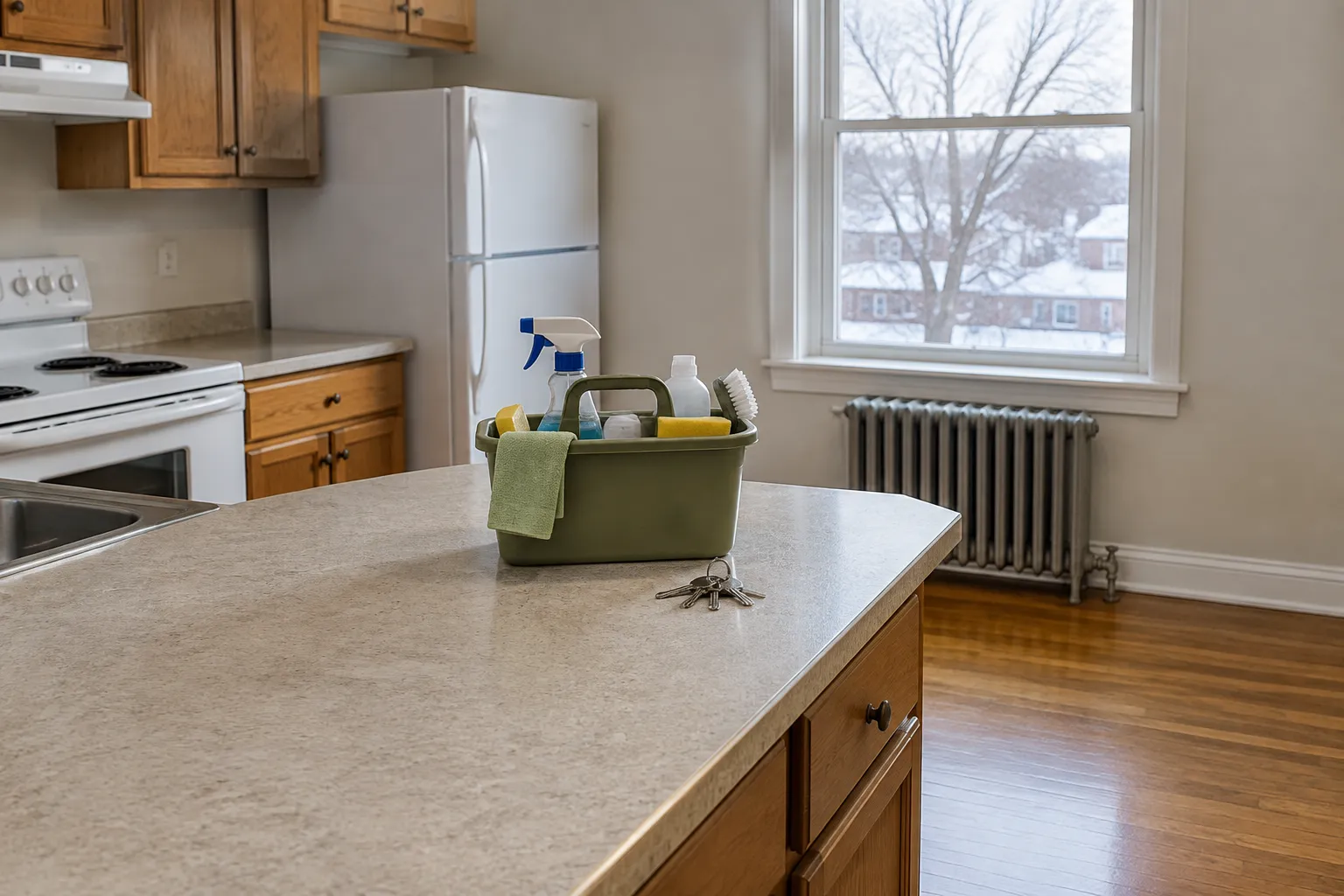
A rental adds recurring work: preparing the unit between occupants, answering maintenance requests, handling rent collection and tracking the property’s finances over time. Property management services can take much of this work off an owner’s plate, and you can compare that arrangement with managing the home yourself.
Consider the Home Itself
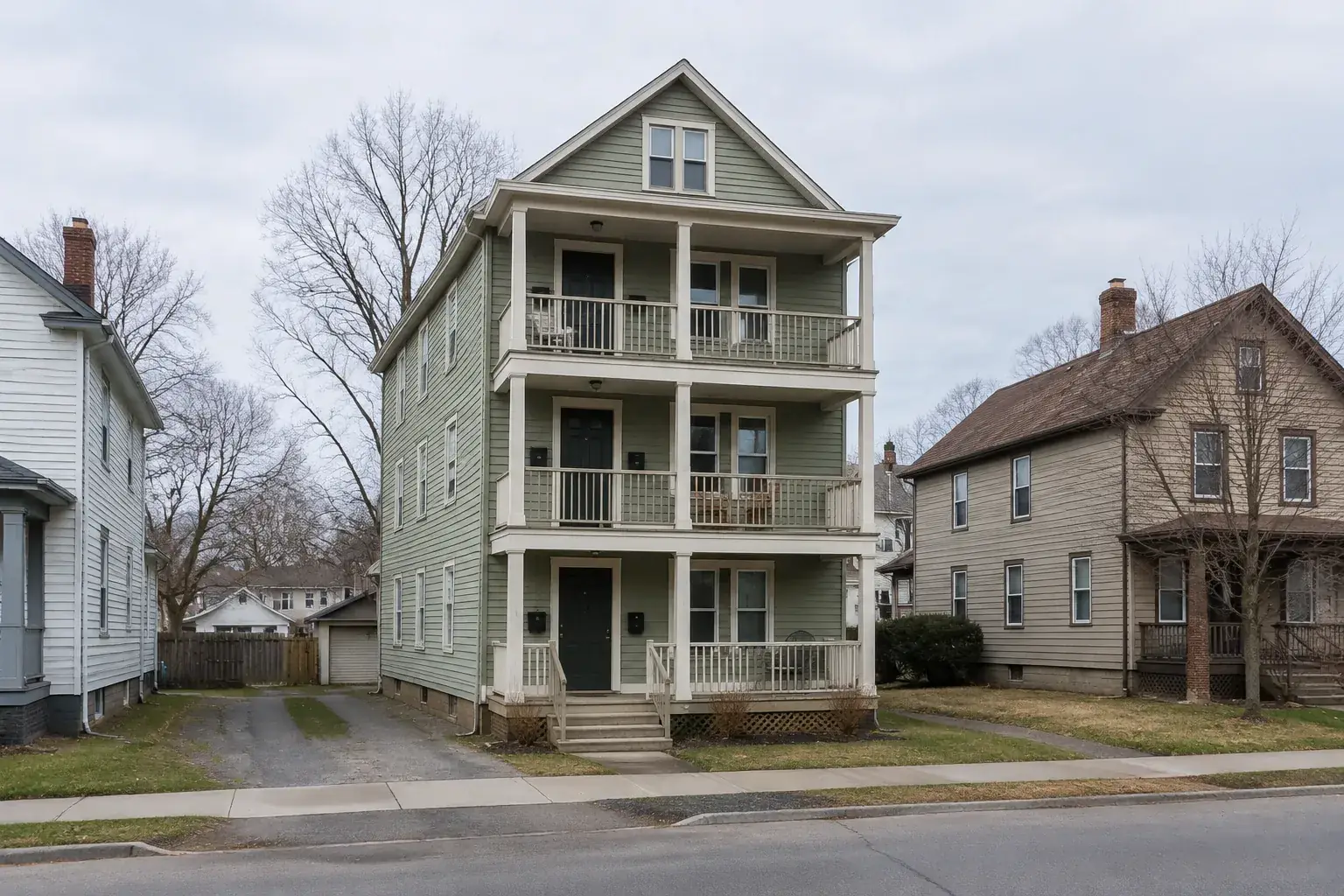
Some homes suit one path better than the other. Look closely at the features a tenant or buyer would notice, the condition of the major systems, the layout and how the home fits its surroundings.
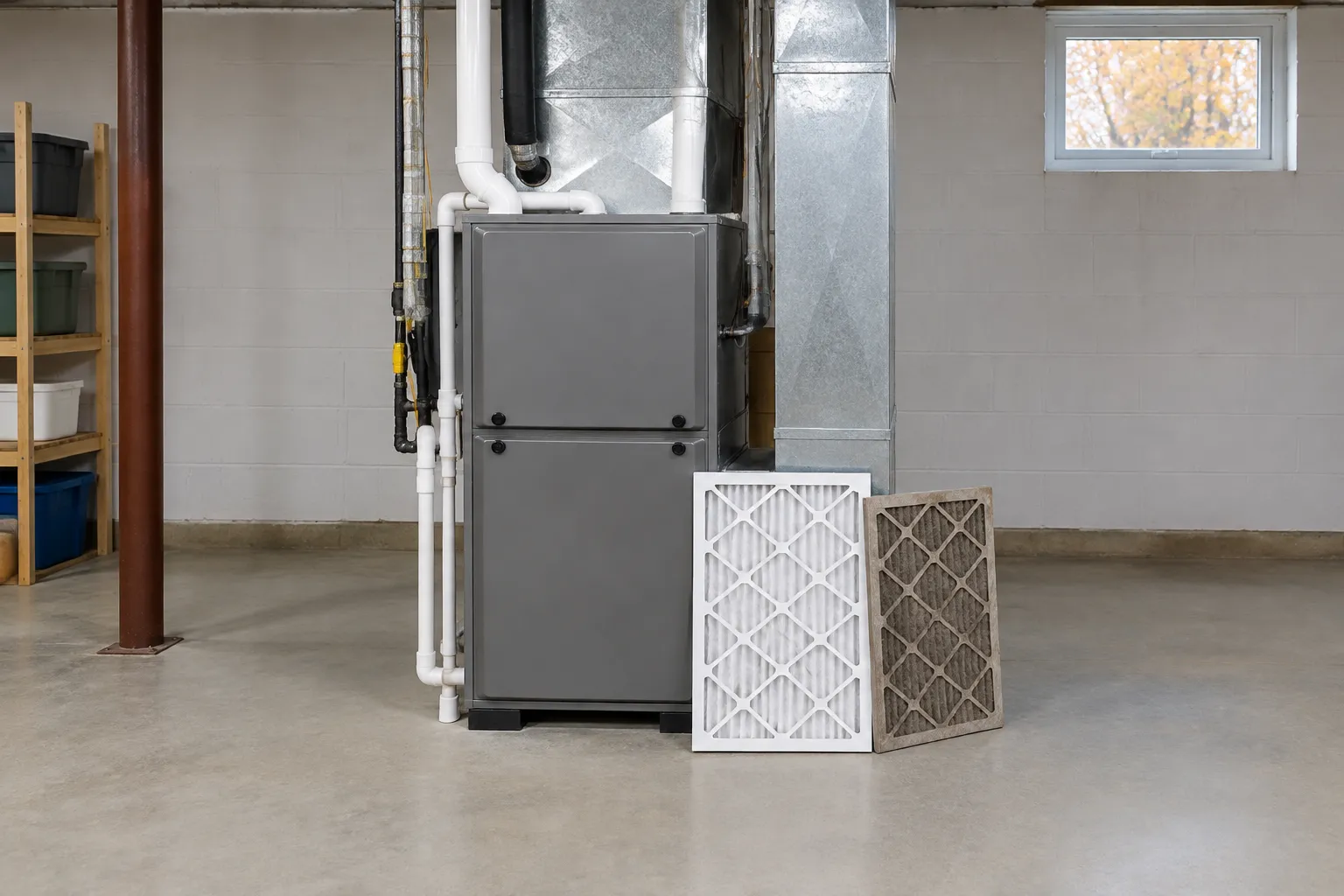
- Overall condition, including the roof, heating, plumbing and electrical systems
- Layout and how well it fits common needs for this type of home in your area
- Parking, outdoor space and access to transit and shopping
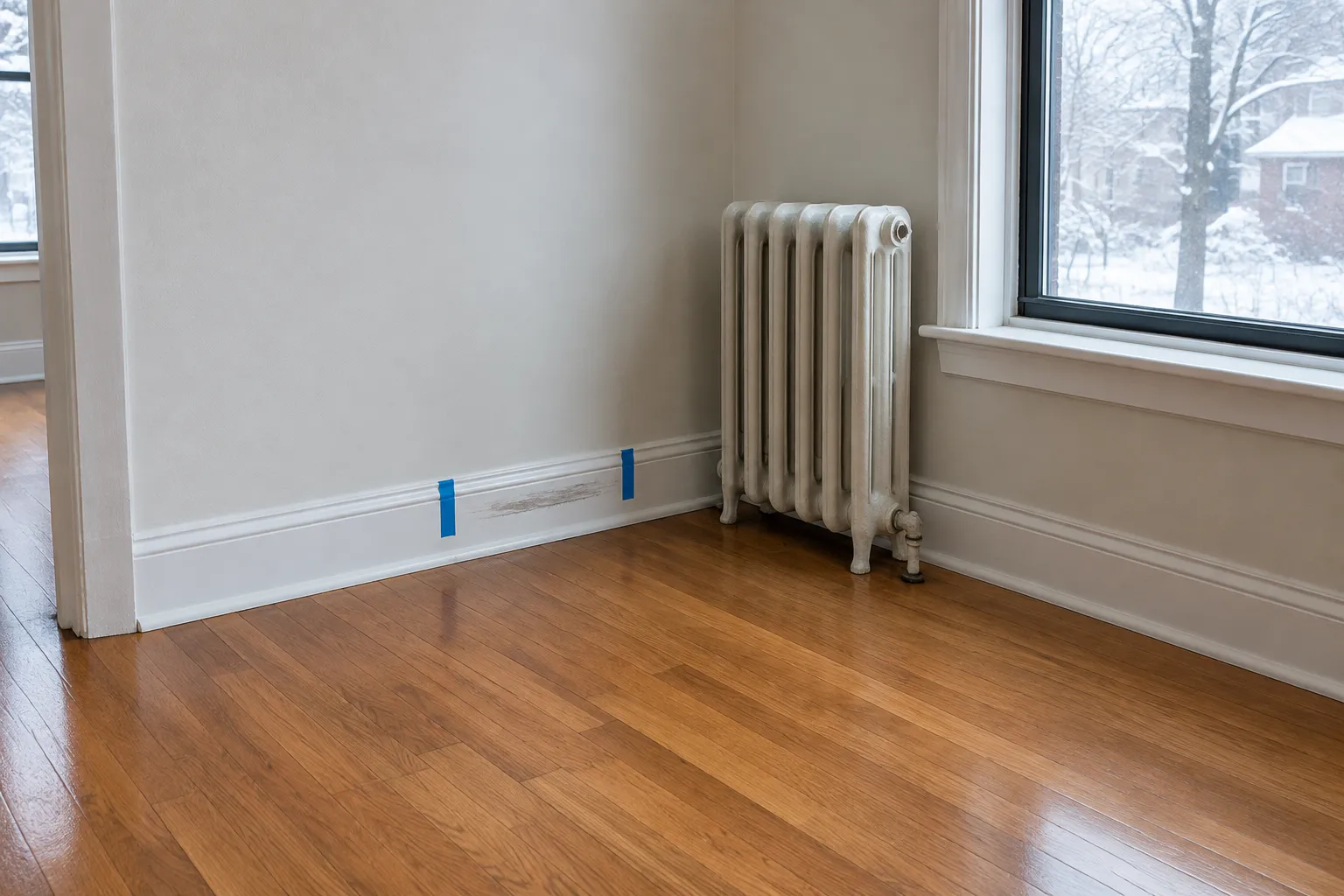
- Which repairs would be needed before a tenant or buyer could move in comfortably
Questions to Ask Before You Decide
Work through these in order and write down your answers.
- Identify your main reason for moving and whether it will still hold a year from now
- List the one-time and recurring costs for each option and note where each estimate came from
- Estimate how many hours a month each option would take from you
- Decide how much flexibility you want if your plans change
- Walk through the home with a local real estate professional, taking condition notes room by room and a list of needed repairs in rough order of urgency
- Bring questions to that walk-through: which repairs matter most for a sale, which matter most for a rental, how long each path might take, and what the home’s layout and location mean for each
Check Rules With the Right Authority
For the rules that apply to your property, check the New York State government website and your local municipality’s office. For guidance on your own situation, a licensed attorney or other qualified professional can help.
Your Reason for Moving Should Guide the Choice
Before you decide, list the top three risks of each path, such as repairs you cannot afford to delay, a long wait to sell or lease, or losing the chance to move back in. Set that list beside the one-sentence reason you wrote down earlier and see which risks you are more comfortable carrying.
SAP Real Estate has operated since 2017 and offers home sales and purchases, rentals and property management in Syracuse and Central New York. The company does not publish fees, so ask for details directly. If you want to talk through your timeline and options, reach out through the SAP Real Estate contact page.