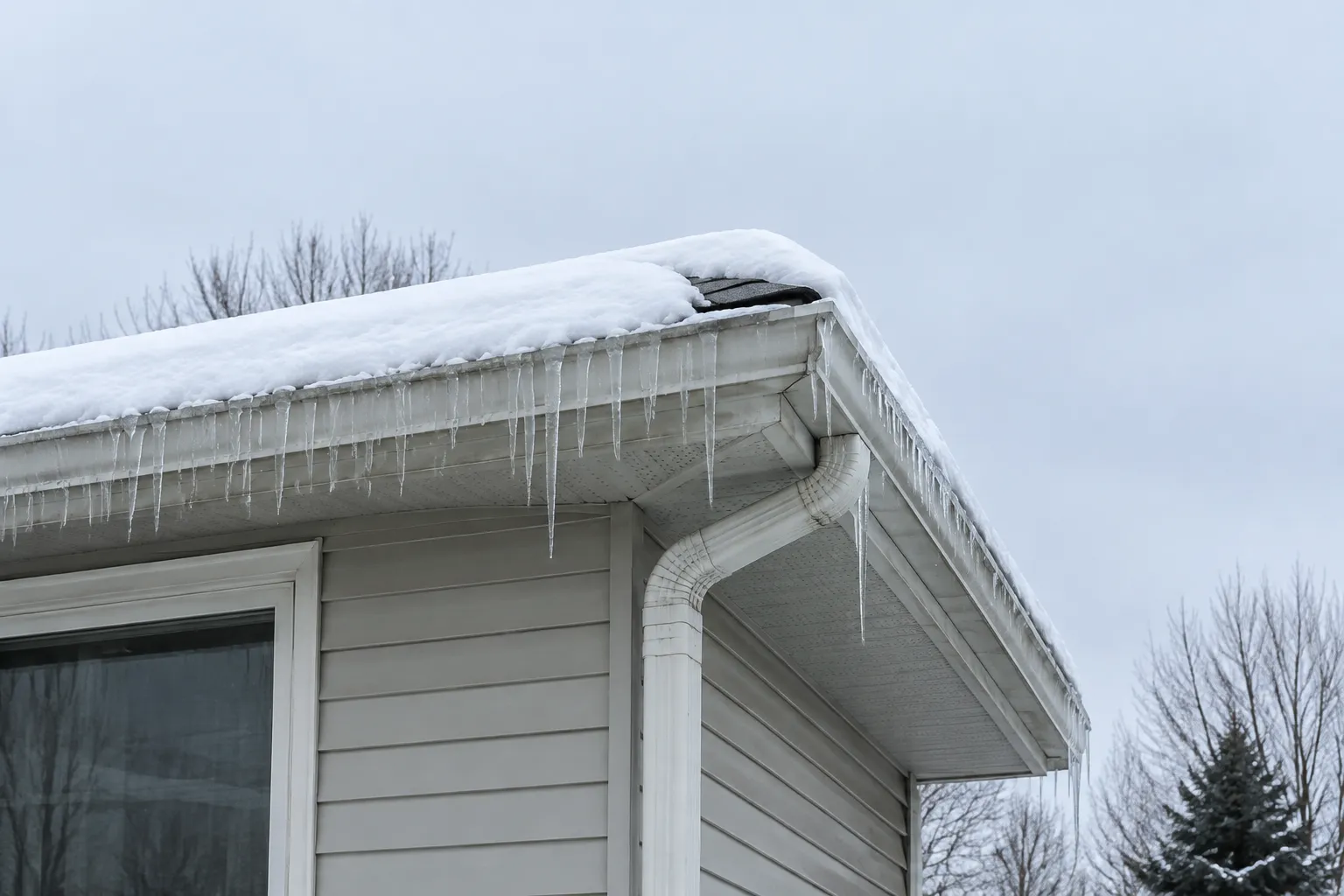
A home sinking fund is a separate savings account that you add to on a regular schedule so that a large, predictable repair, such as a roof or furnace replacement, does not arrive as a single unplanned bill. The fund works best when you start it before you need the money and review it each year as the house ages.
What a Sinking Fund Can and Cannot Cover
A sinking fund is meant for big items you can see coming. Common examples in a home include:
- Roof covering and flashing
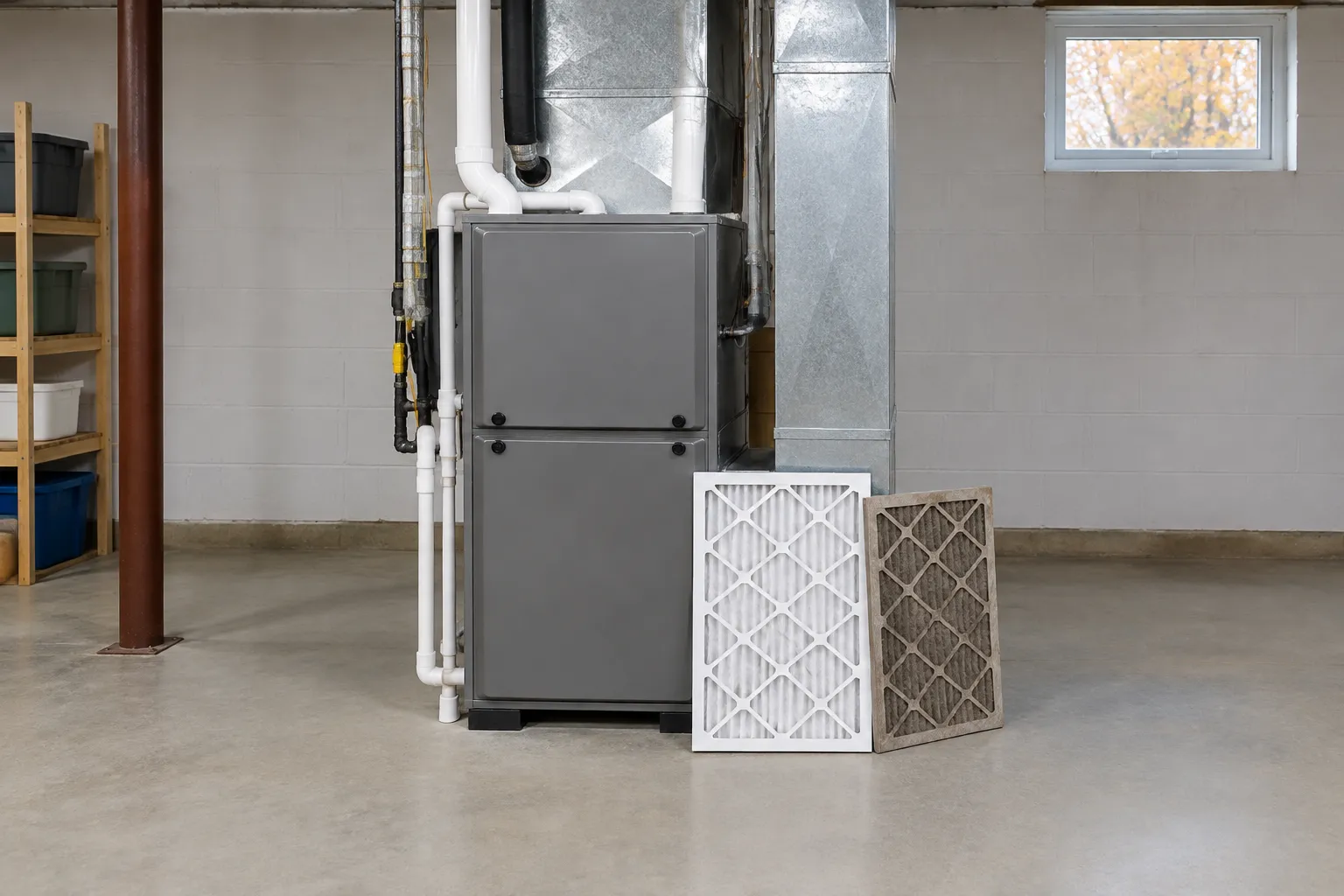
- Furnace, boiler or central air system
- Water heater
- Major kitchen and laundry appliances
- Siding, exterior paint or windows
- Driveway, retaining walls or other exterior structures
A sinking fund does not replace an emergency fund for sudden problems such as a burst pipe, and routine maintenance such as filter changes belongs in your regular budget. Confirm with your insurance agent what your homeowner policy covers for each system before you rely on it.
Inventory Each System and Its Records
Start with a written list of every major system and appliance in the house, including its installation year if you can find it. Useful sources include the inspection report from your purchase, service invoices, owner manuals and the seller disclosure if you bought the home recently. Where a record is missing, ask a qualified home inspector to note the apparent age and condition of each item.
Estimate Replacement Costs From Written Quotes
Written estimates give you a better starting point than memory or rough guesses. Get them from licensed contractors for the items you expect to replace. Ask each contractor to describe the scope of work, the equipment or materials, the warranty terms and whether the price includes removal of the old system. Keep the estimates with your inventory so you can update them later.
Set Up the Account and Contribution Plan
Keep the fund in a separate account so it is not mixed with spending money. The sequence below keeps the plan simple to follow.
- Open a savings account labeled for home repairs at an institution you already use
- Divide each estimate by the years remaining until you expect to replace that item
- Add the combined total to a recurring transfer that runs on each payday
- Record each deposit and each updated estimate in your inventory
- Recalculate the plan when a system is repaired, replaced or sold with the home
Weigh the Trade-Offs Before You Commit
Each choice in the plan has a cost. Read the three sections below before you settle on a schedule.
Cash Tied Up in Savings
Money set aside for repairs is not available for other goals. Compare the planned transfer against your other savings goals and your existing cushion before you choose a schedule that only feels comfortable in good months.
Estimates Change Over Time
Material and labor prices move, and a system may last longer or shorter than expected depending on its use and upkeep. Revisit the estimates at least once a year rather than treating the first quote as final.
Questions for Your Lender or Financial Advisor
If you are unsure how a reserve account fits with a mortgage, a budget or a retirement plan, ask your lender or a qualified financial professional. They can explain how the account would interact with your current finances, which this article cannot assess for your situation.
Build Your Home Repair Fund Before You Need It
Choose the systems in your house that are closest to the end of their expected service life, collect written estimates for them and open a separate account this month. Review the inventory each year and after any major repair so the savings keep pace with the house. Keep the records with your home documents so the plan is easy to hand to a future owner or agent. SAP Real Estate is a Syracuse brokerage serving Central New York buyers, sellers, renters and property owners, so you can send questions through our contact form for property questions.