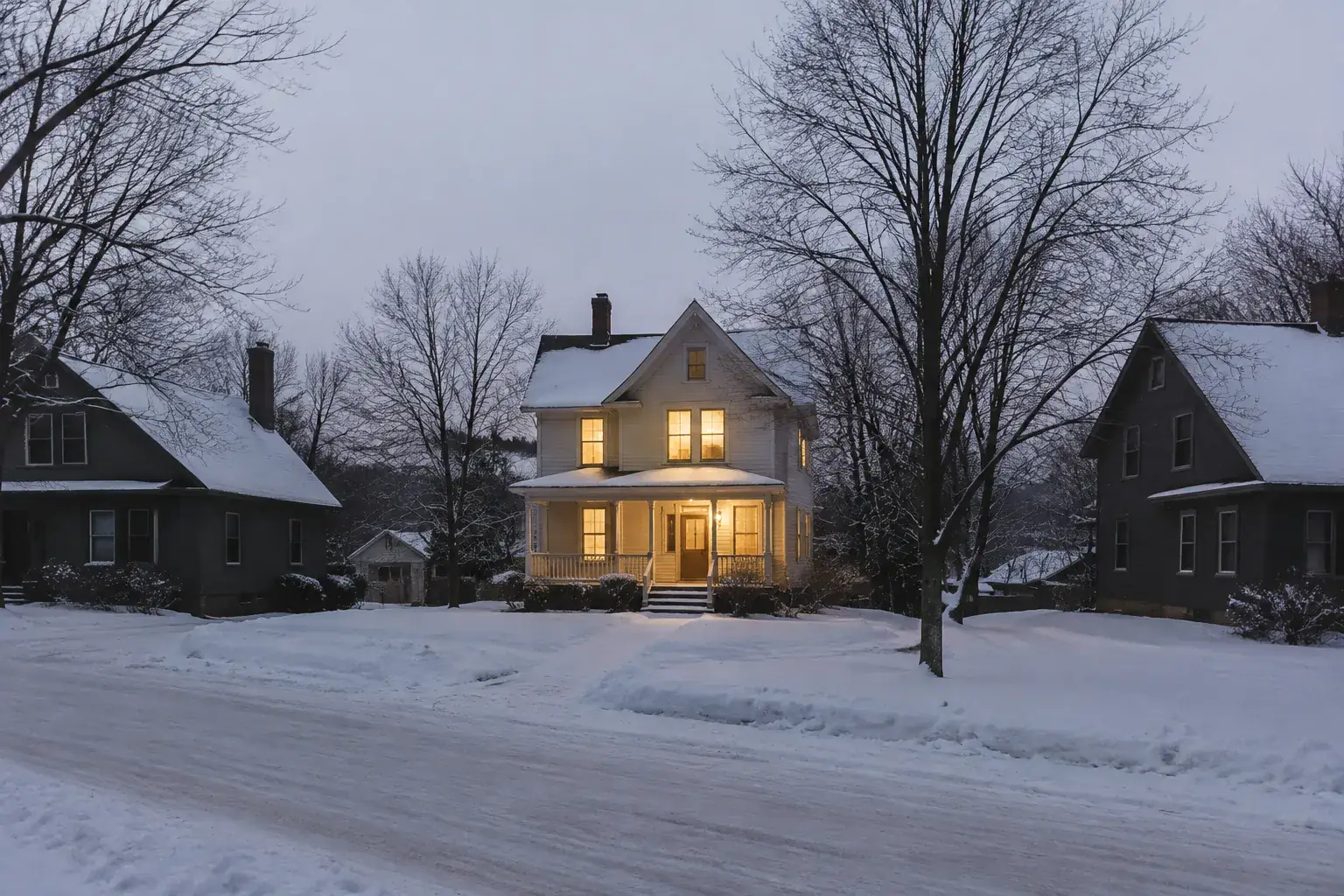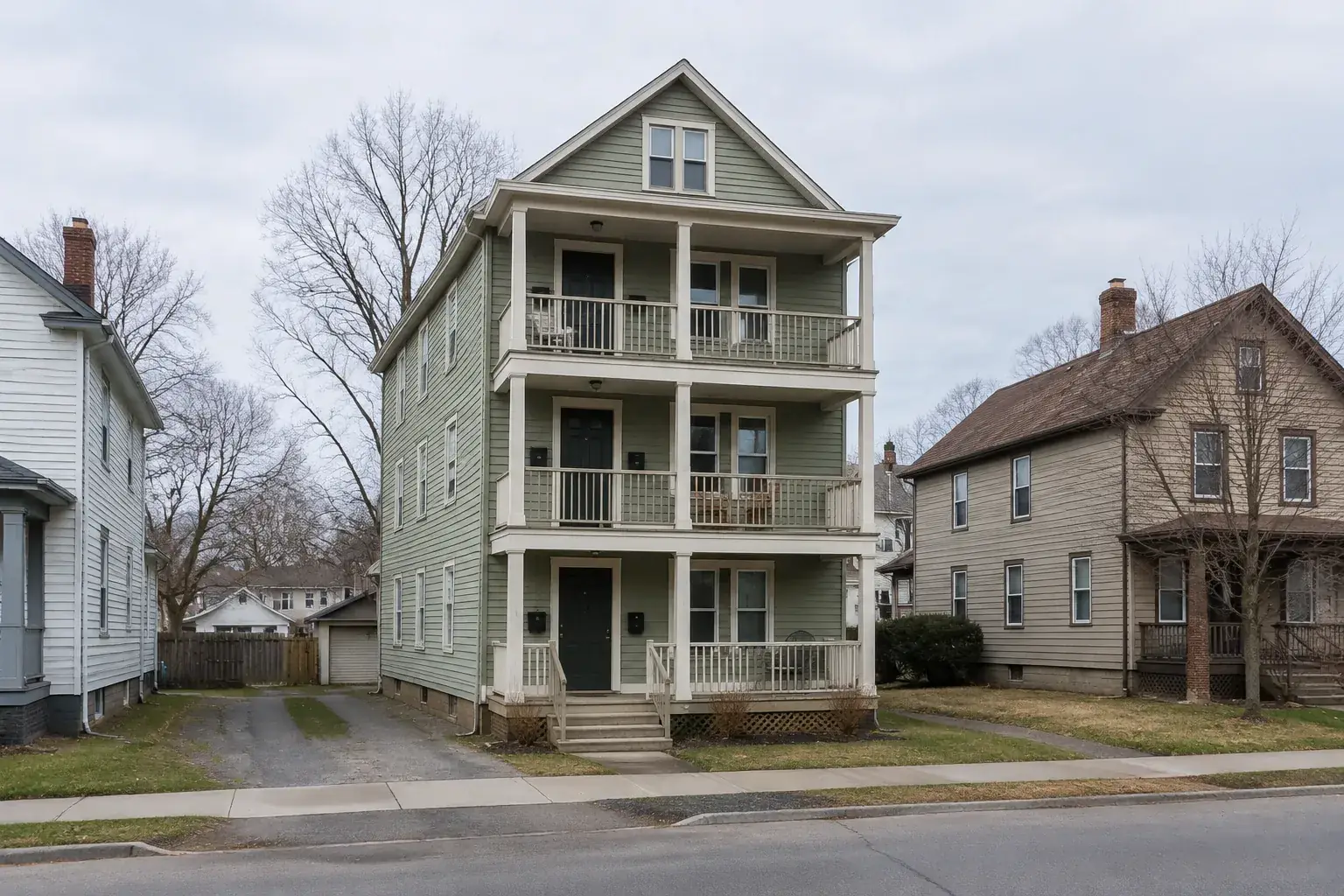
Snow and freezing temperatures make small problems harder to find and can make them harder to fix. Autumn is the season to walk the outside of your home slowly, note what needs attention, and schedule work before cold weather limits what can be done. This guide covers the checks that matter most for a house in Syracuse and Central New York, what each one looks for, and where a professional can help you decide.
Start With the Roof and Drainage
Water is the main thing you are trying to control before winter. Standing water, blocked gutters and poor grading can send melting snow and rain toward your foundation and into your attic or basement. Walk the perimeter on a dry day, and look at the roof from the ground if you cannot safely check it up close.
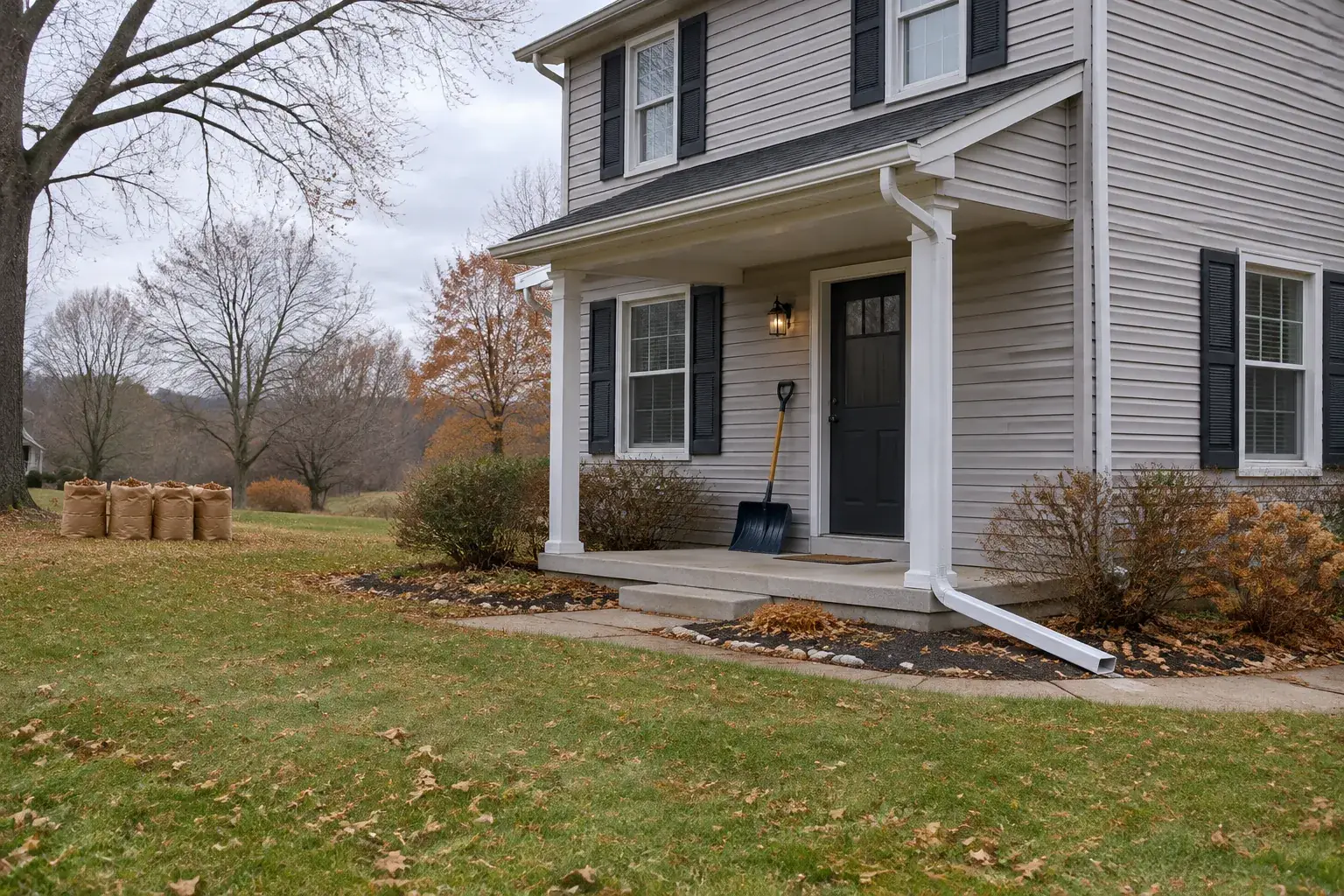
- Clear leaves and debris from gutters and downspouts, and confirm that each downspout directs water away from the house.
- Look for loose, cracked or missing shingles and for damaged flashing around chimneys and vent pipes.
- Check that the ground slopes away from the foundation so meltwater does not collect against the walls.
- Note any staining on ceilings or upper walls, since old leaks often show up as stains that point to a spot to inspect.
Seal Gaps Around Windows, Doors and Siding
Drafts and gaps let cold air and moisture into a house, and they make the heating system work harder. Check the weatherstripping on exterior doors, the caulking around window frames, and the joints where siding meets trim. Fresh caulk can hide cracks, so probe suspect areas with a screwdriver and look for soft wood or crumbling mortar before you seal over them.
Get the Heating System Inspected Before You Need It
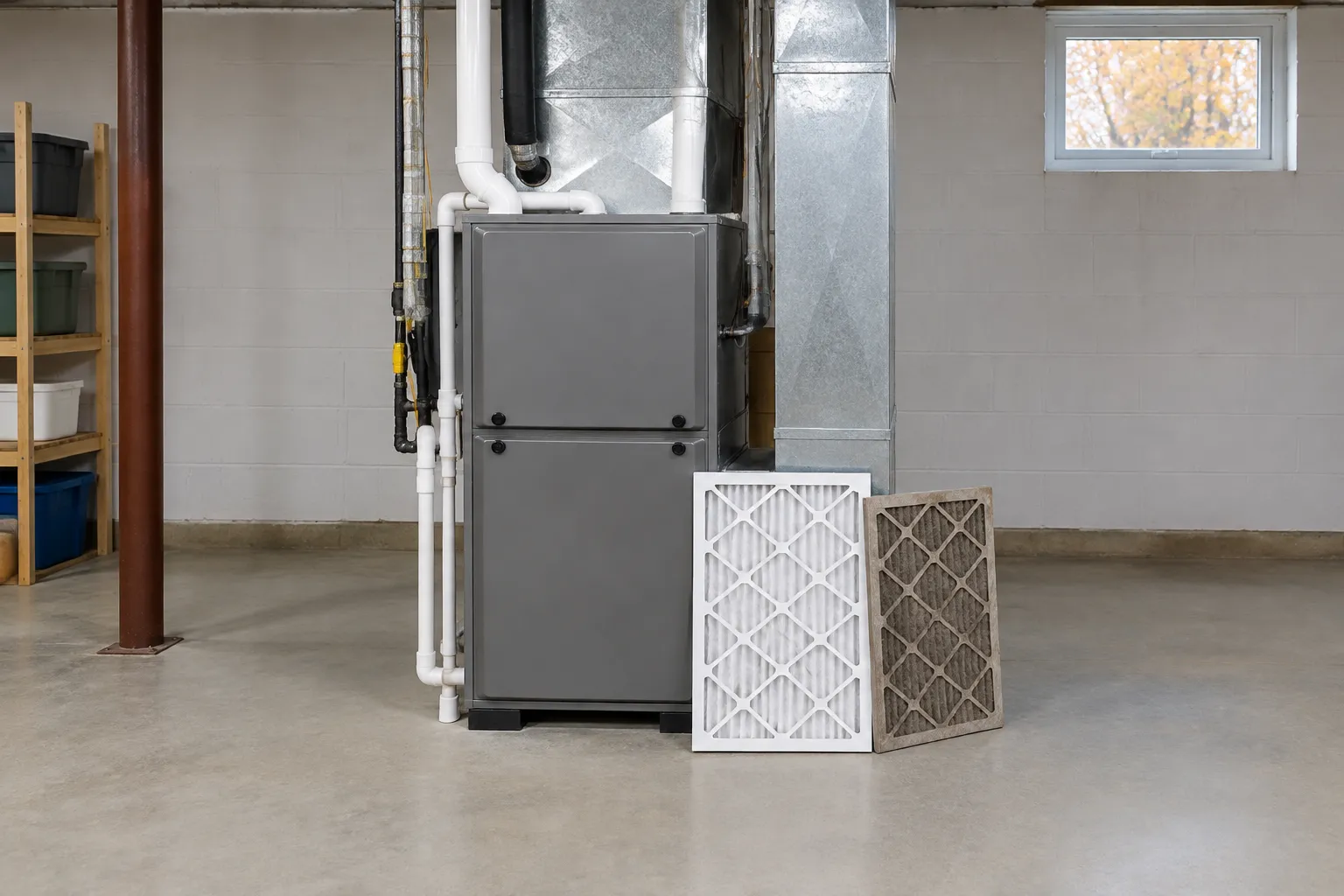
Your furnace or boiler does most of its work in the coldest weeks, so a problem found in autumn is easier to schedule than one found during a cold snap. Replace or clean the filter, clear the area around the unit, and confirm that the thermostat responds as expected. The safety checks inside the unit need specialized tools and training, so the inspection itself should be done by a qualified heating technician.
Questions to Ask the Service Company
- Confirm whether the visit includes a combustion safety check and a review of the venting.
- Ask which parts are wearing out and which repairs are urgent compared with those that can wait.
- Request that each repair option be explained and listed in writing before any work begins.
- Test carbon monoxide detectors and replace their batteries as the manufacturer directs.
Protect Pipes and Outdoor Water Lines
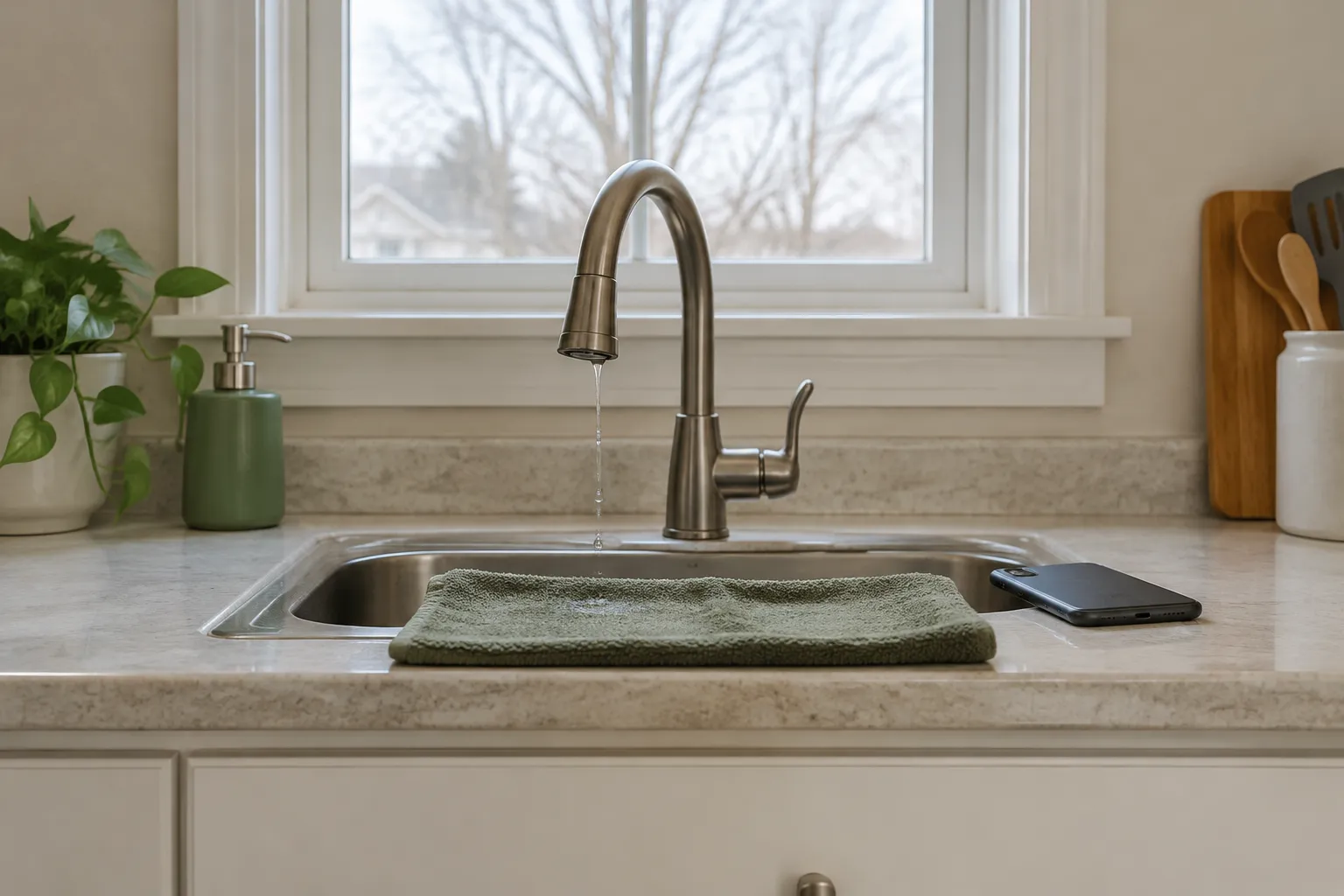
Water expands as it freezes, and a frozen section of pipe can split. Pipes in unheated areas such as crawl spaces, garages and exterior walls deserve attention first. Also learn how your home’s water shutoffs work, because you may need them quickly during a leak.
- Disconnect garden hoses and drain them, and close any interior valve that feeds an outdoor faucet if your home has one.
- Add foam sleeves or insulation to exposed pipes in basements, garages and crawl spaces.
- Locate the main water shutoff and confirm that you can turn it by hand.
Clean Up the Yard and Outdoor Spaces
Leaves left on lawns and beds can hold moisture and hide trip hazards, and overgrown shrubs can press against siding and trap water. Trim branches that hang over the roof or near service lines, and move patio furniture and planters into storage or against a wall. If a large tree leans toward the house or has dead limbs overhead, ask a certified arborist to assess it before winter storms, since the right decision depends on the tree’s condition.
Check the Attic and Ventilation
The attic shows how the roof is performing from below. Look for damp or compressed insulation, frost on the underside of the roof boards, and bathroom or kitchen fans that vent into the attic rather than outside. Confirm that soffit and ridge vents are not blocked by insulation or stored items. If you find signs of moisture or ice, record their location and have a roofer or building inspector examine them before you rely on that space for storage.
Set Your Priorities Before the Work Starts
Not every item needs a professional, and not every item can wait. Put repairs that affect water, heat or safety at the top of the list. Cosmetic work can wait for milder weather. When a job is large, get written estimates from more than one company and ask each one to explain what is included and what is excluded.
- Fix anything that affects heat, electrical safety or carbon monoxide protection.
- Address water entry points, gutters and drainage before the ground freezes.
- Schedule the heating inspection and any trade work with enough lead time for the crews you need.
- Leave cosmetic exterior painting and landscaping for milder weather.
Walk Your Property Now While Autumn Repairs Are Easy
Set aside a dry afternoon this season to walk the roofline, gutters, foundation, doors and pipes using the checks above. Write down each item, mark the ones that affect water, heat or safety, and book those trades before the schedule fills. Keep the notes with your home records so that next season’s walk starts from a known baseline. If you are thinking about selling, renting or managing a home in Central New York, message SAP Real Estate about your property.