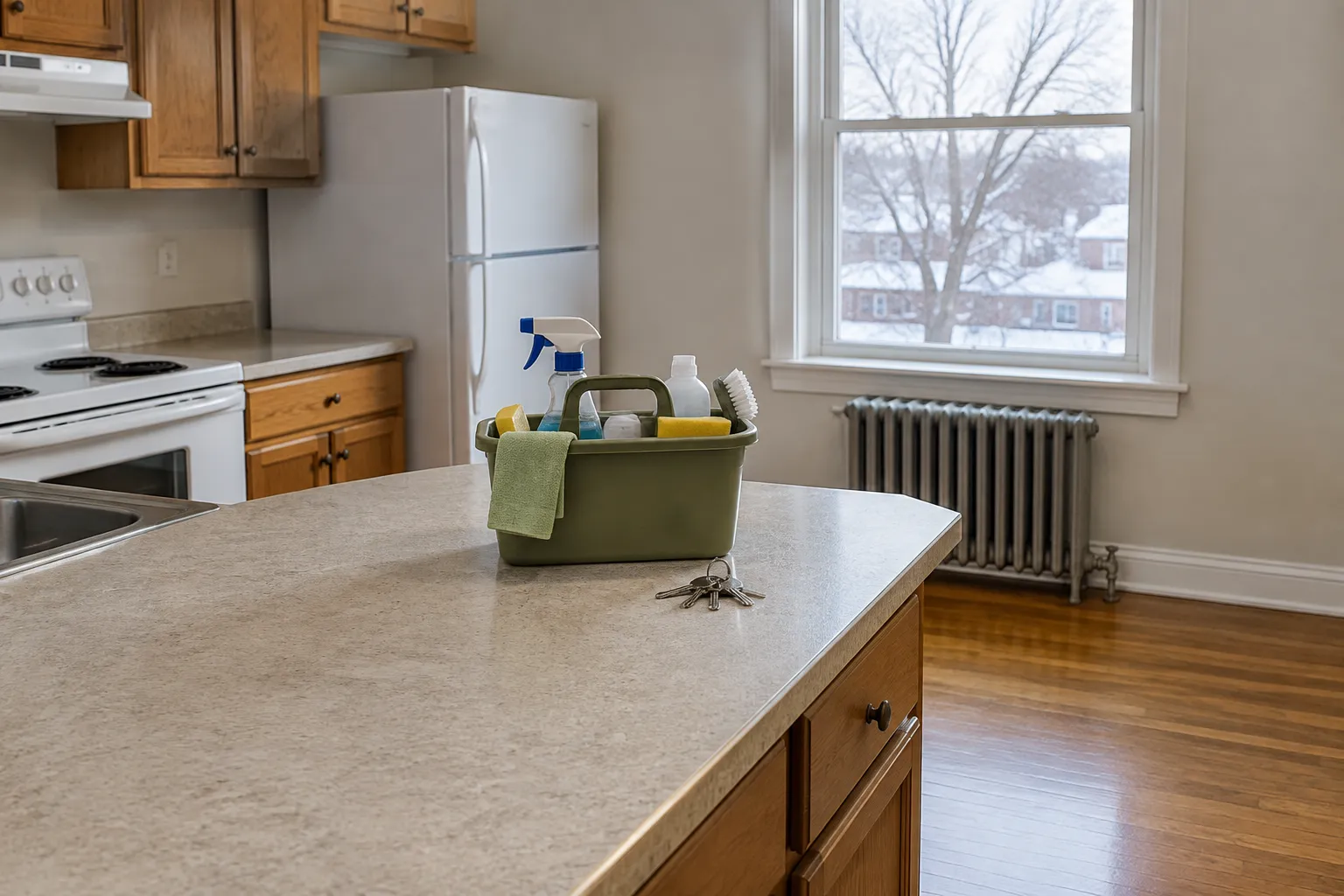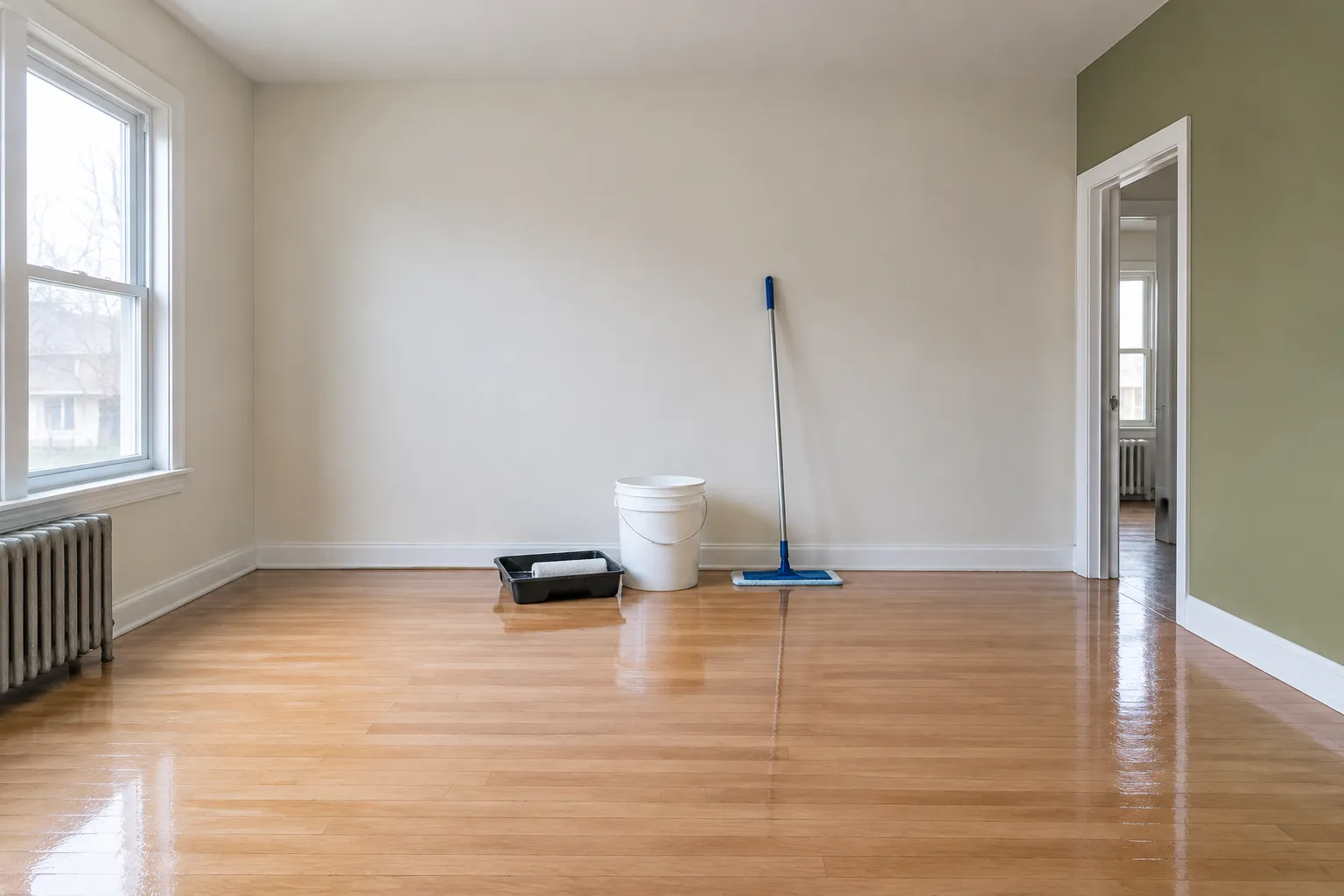
A rental turnover is the work that happens between the day a tenant moves out and the day the next tenant moves in. It is a process, and most of its problems come from doing the steps out of order. You cannot photograph a room before it is cleaned, and you cannot clean walls before repairs and paint are finished. Treating the work as a sequence lets you see which task controls the schedule and which tasks can run alongside it.
Start with a documented move-out inspection
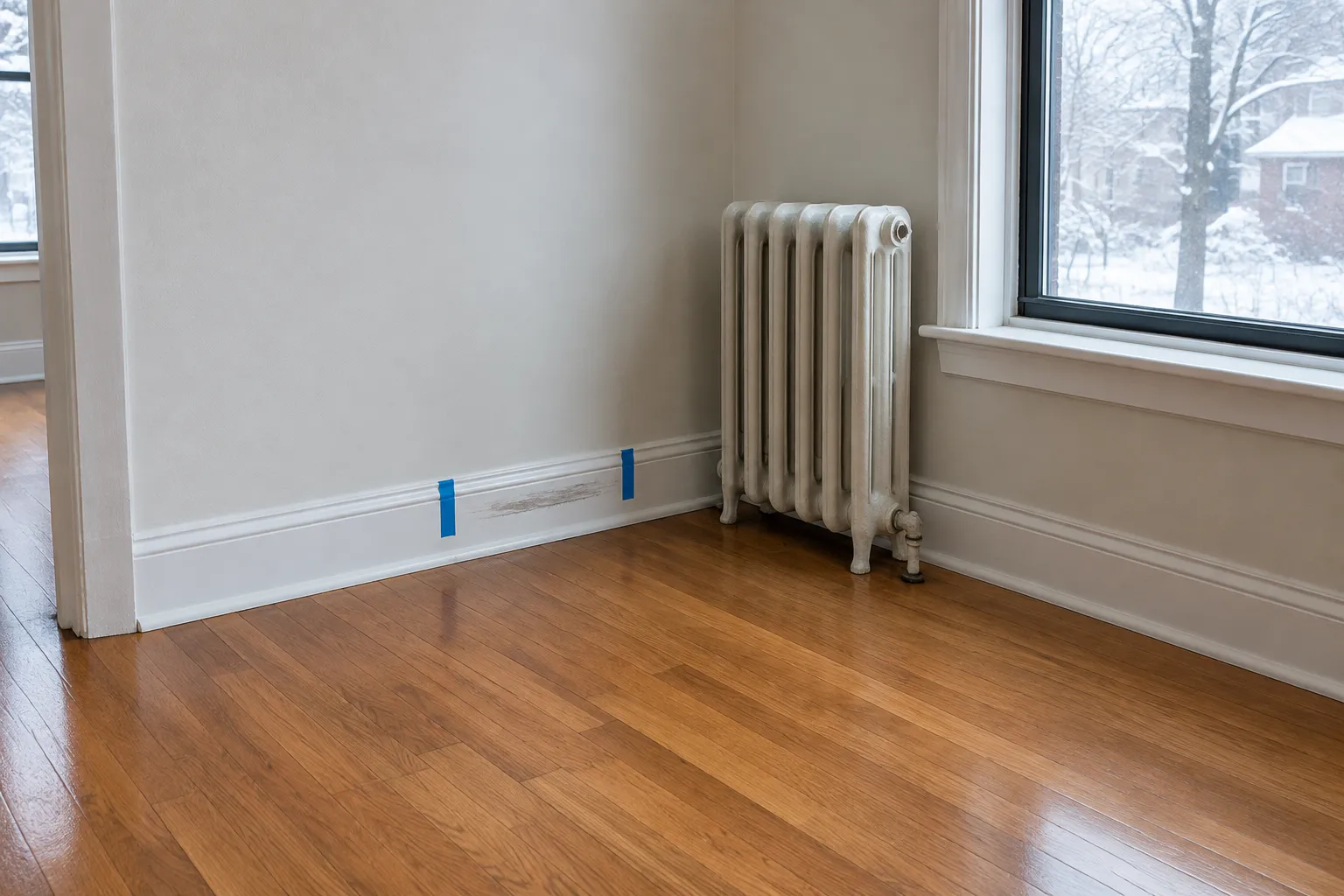
Walk the unit with your notes and a camera before any repair work begins. Record each room, each appliance, each lock and key, and the condition of floors, walls, windows and fixtures. Describe what you see as it is, such as a stain, a crack or a missing cover plate, rather than guessing how it happened.
If you have a move-in condition record from the start of the tenancy, compare the two line by line. The comparison shows what has changed, but whether a change is treated as damage or as normal wear depends on your lease and, where it matters, on advice from a qualified professional. Confirm that before you decide anything about charges.
- Keys, fobs and mailbox keys returned or accounted for
- Meter readings for utilities you manage
- Appliance make, model and condition
- Smoke and carbon monoxide alarms in place
- Exterior items such as gutters, steps, locks and the lawn
Sequence repairs before cleaning
Repairs come first because every later task depends on them. Schedule trades in an order that keeps one trade from damaging another trade’s finished work. The order below is a common sequence, and you can adjust it to match what the inspection found.
- Address anything that affects access, safety or water, such as locks, doors, leaks and electrical problems
- Repair walls, ceilings and trim, then patch and prime
- Paint once the patches have dried fully
- Replace or refinish flooring after the walls are finished
- Clean last, so dust from earlier work is removed
- Walk the unit once more with the repair notes in hand
How long does turnover take?
The honest answer is that it depends on what the inspection finds. A unit that needs only cleaning and a lock change moves through quickly, while a unit that needs flooring, paint and an appliance repair depends on the schedules of the people doing that work. Contractor availability can be the longest wait, so request estimates and start dates as soon as the scope is clear rather than after the cleaner finishes.
Check safety and systems before listing
Test every system before the unit is photographed or shown, because a failure discovered after a listing goes live is harder to explain to an applicant. Run each check, then write down the result and the date.
- Smoke and carbon monoxide alarms: confirm they sound and replace batteries or units that fail
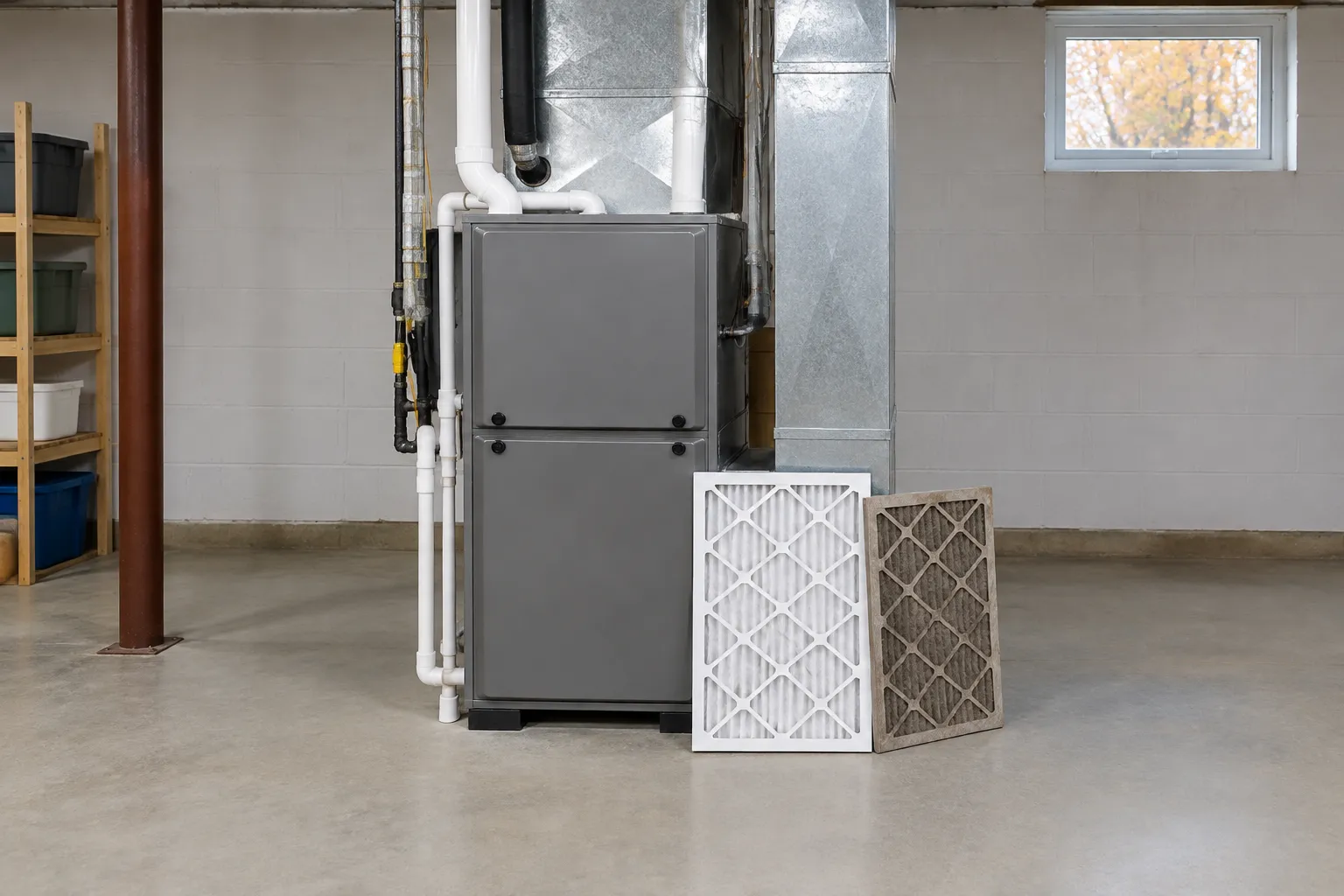
- Heating: confirm the system runs at the thermostat setting and that the filter has been changed
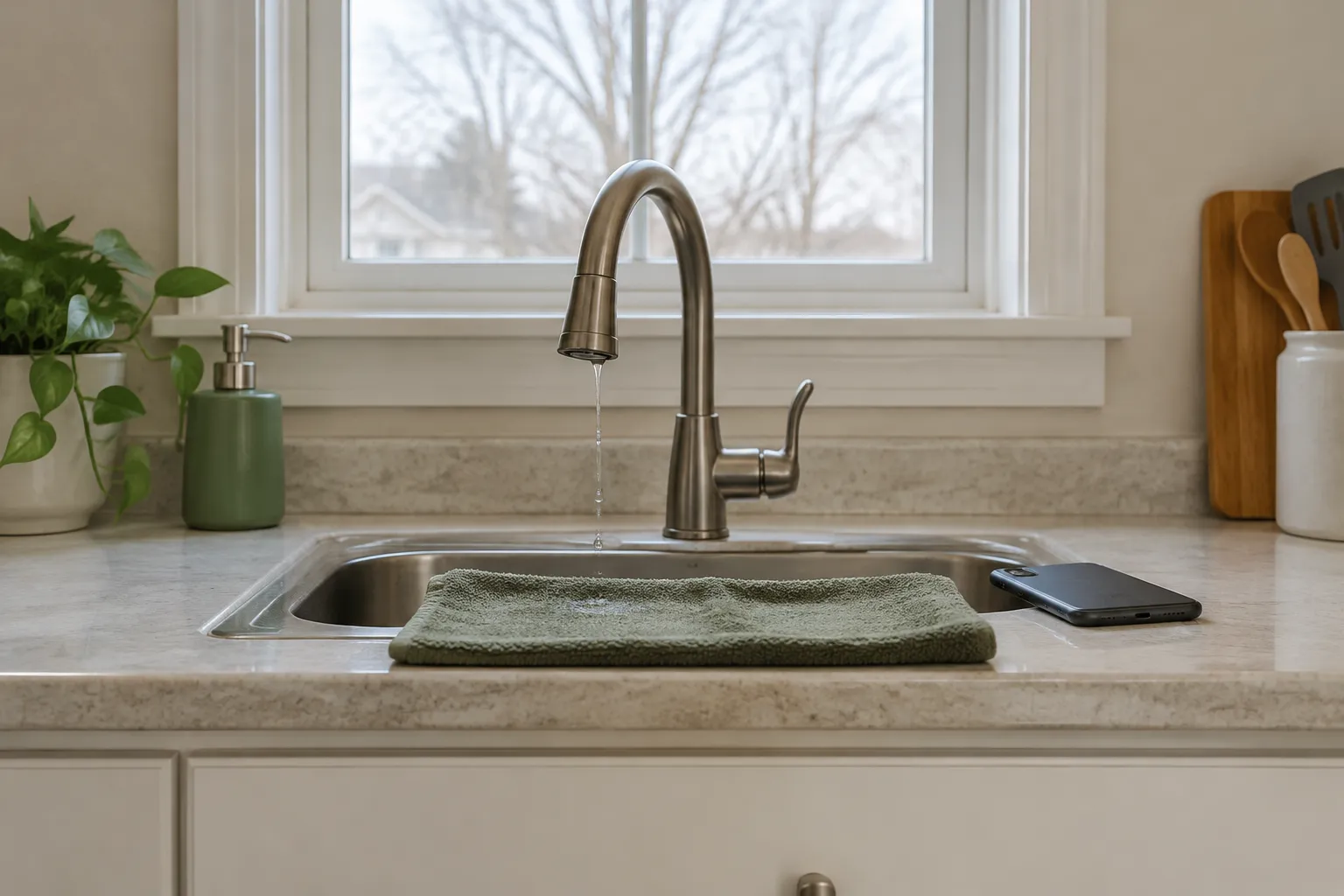
- Hot water: run taps and check under sinks for leaks
- Electrical: test outlets, switches and light fixtures, and look for exposed wiring
- Locks and entry doors: confirm each lock works with the keys you plan to hand over
- Water shutoffs and any gas shutoff: confirm where each one is and that it operates
Requirements for alarms, heating and other systems can differ by municipality, so confirm what applies to your property with the local code enforcement office or a licensed professional before you rely on any checklist, including this one.
Prepare photos and the listing
Photograph the unit only after it is clean, repaired and ready for the next tenant. Take the same set of shots at every turnover so you can compare conditions over time. The photographs also record the unit’s condition on that date, so keep the originals with your move-out notes.
What should be photographed?
Shoot each room from the doorway so the full space and natural light are visible. Cover the areas a prospective tenant will ask about, and include the parts of the unit that are easy to overlook in a quick walkthrough.
- Each room from the doorway, with the lights on
- Kitchen and bathroom fixtures, including the area under sinks
- Closets and storage areas, empty
- Mechanical areas such as the furnace and water heater
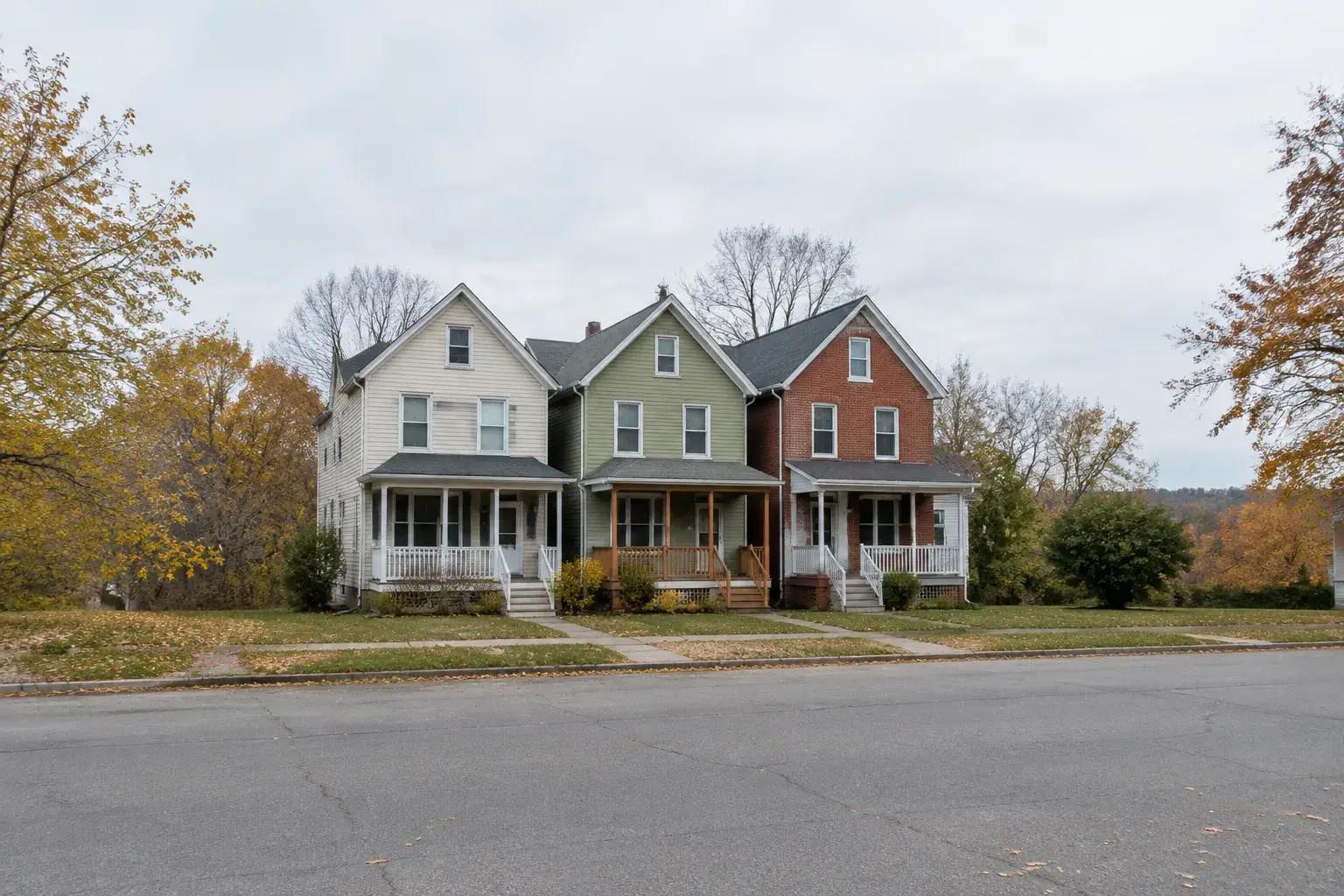
- Exterior entrance, parking area and yard
- Each repair, photographed before and after
Keep photographs focused on the home itself. Leave out people, personal belongings and anything that describes the residents of the building or the neighborhood.
Write the listing from your inspection notes rather than from memory. State only what you have verified, such as the heat source, the parking arrangement and the appliances included, and describe the layout plainly without comparing it to other rentals.
Hand off the unit cleanly to the next tenant
The move-in handoff is where the turnover record either holds up or falls apart. Before keys change hands, prepare a condition record that matches the inspection, confirm with each utility provider which account names apply, and go through every key and access device with the incoming tenant in person. Ask the tenant to note any difference they see before they sign off.
If you would rather have a manager run this sequence, the property management service page describes how SAP Real Estate handles tenant placement, rent collection and maintenance coordination.
Put the turnover sequence in writing before move-out
Write the order of work down before the tenant leaves, and assign each task a date and a responsible person. Keep the inspection notes, photographs, invoices and test results together so the record is complete when the next listing or any later question arises. Confirm any charge decision with your lease and a qualified professional before you act on it.
SAP Real Estate has operated since 2017 and can be reached through the contact page with a message form.