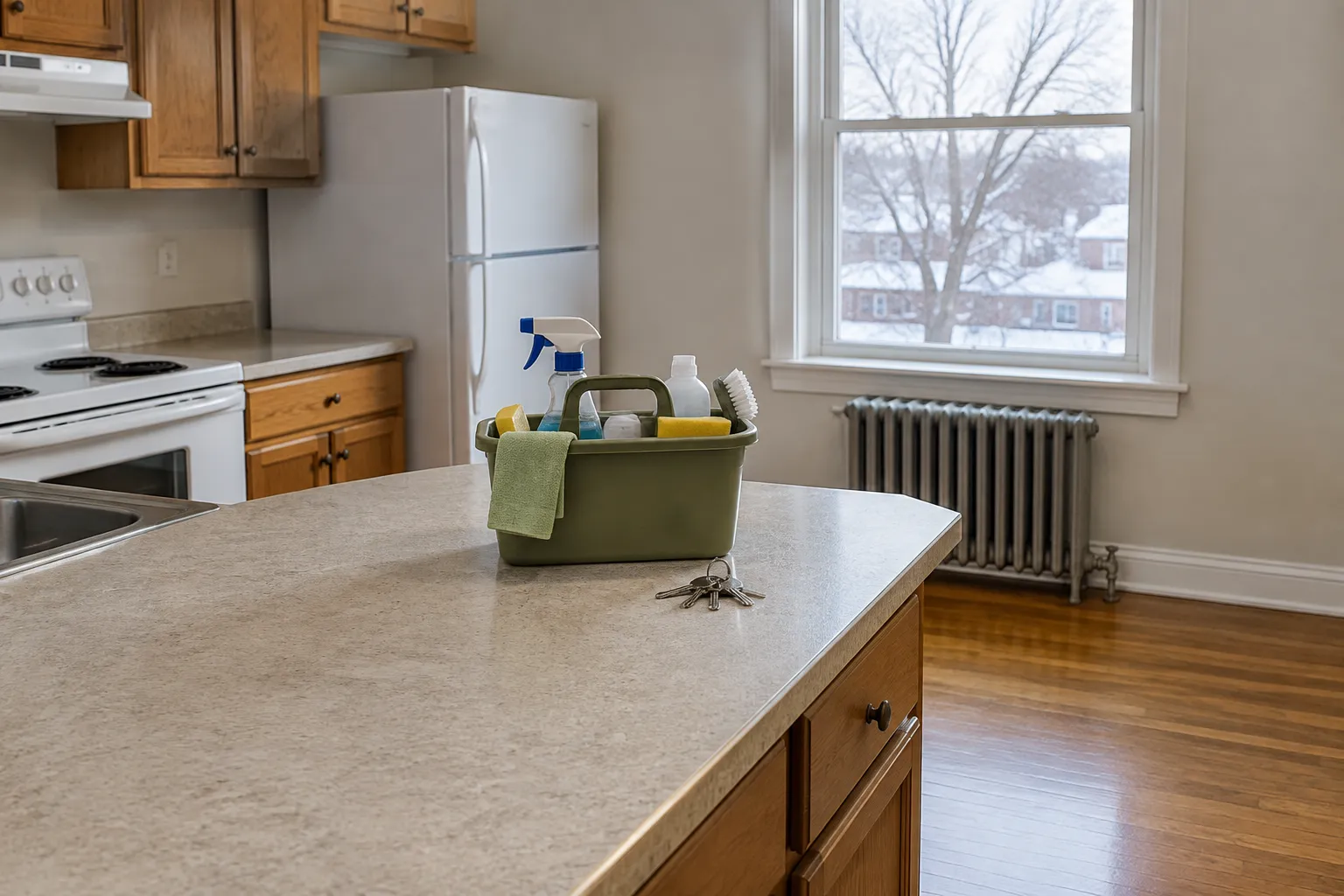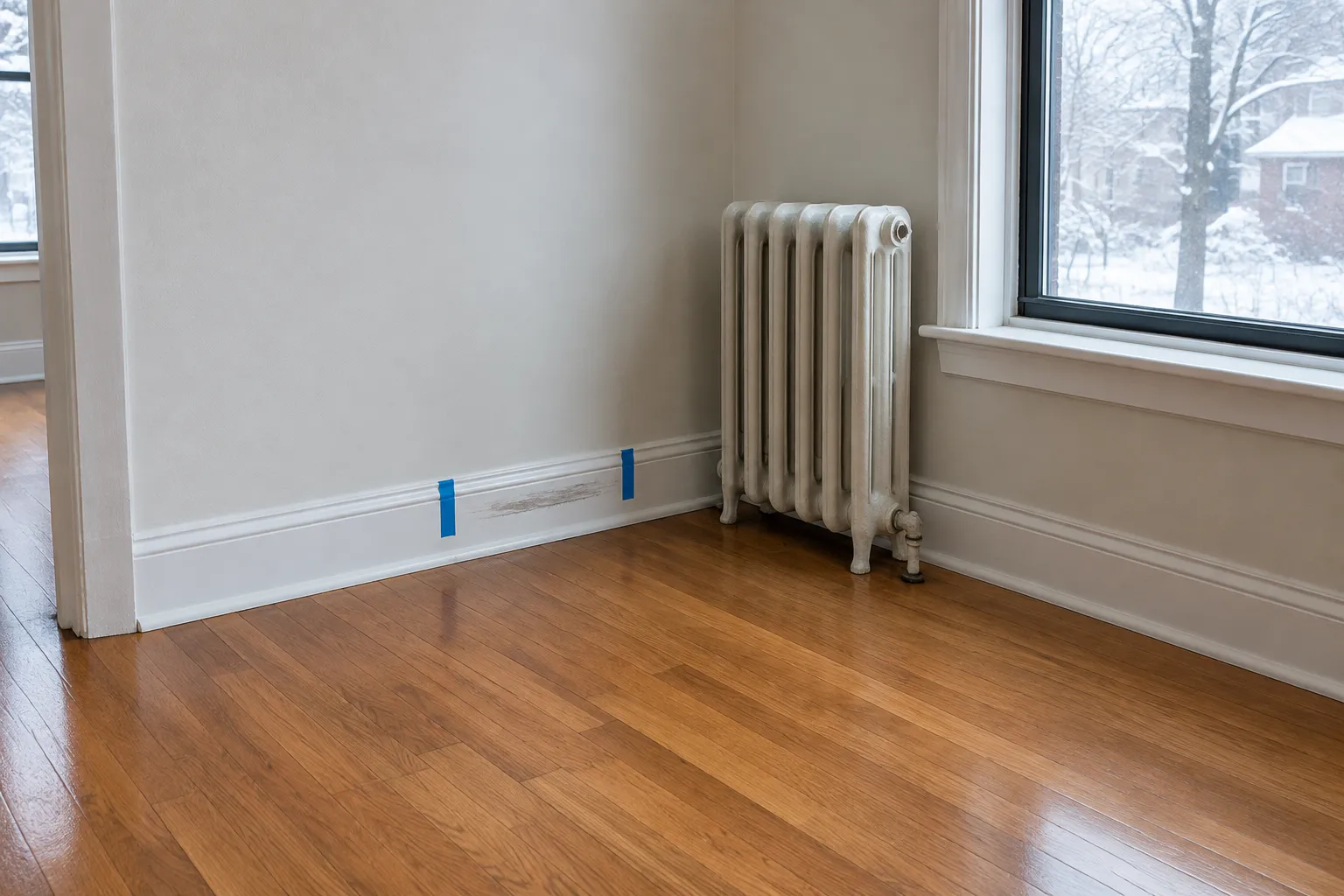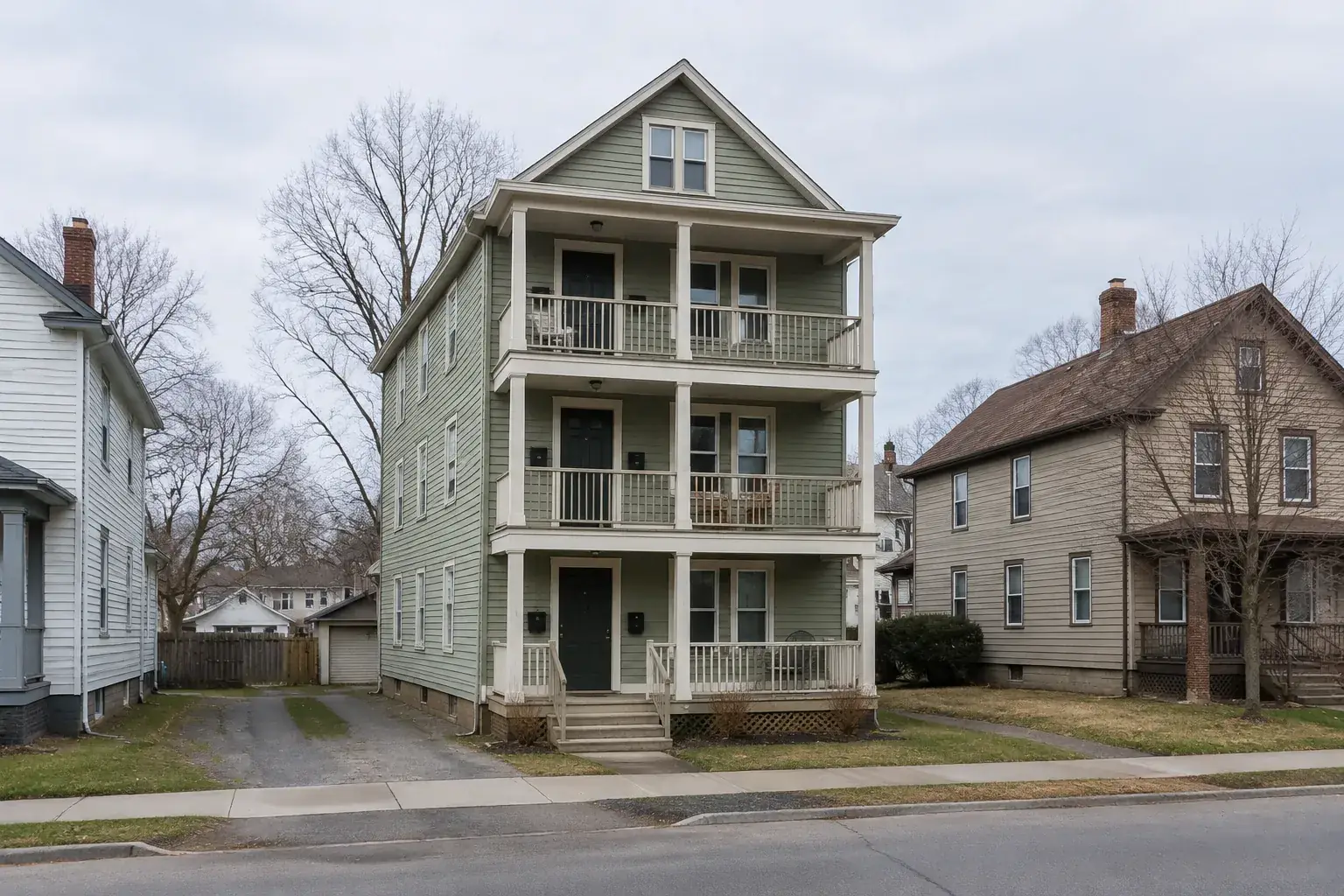
Moving in starts a list that does not end on closing day. The first week is when you find out which accounts, locks, alarms and papers still need attention. This guide puts the tasks in a sensible order so you can handle urgent items first and plan the rest without searching again.
Start With What You Received at Closing
Before you unpack, gather everything that came with the property. Keys, garage remotes, gate codes, and any manuals or warranty papers left behind are easy to misplace in the first days. Compare what you received with the list of included items in your purchase documents, and ask your agent to confirm anything unclear, such as which appliances or fixtures stay with the house.
Set Up Utilities and Service Accounts
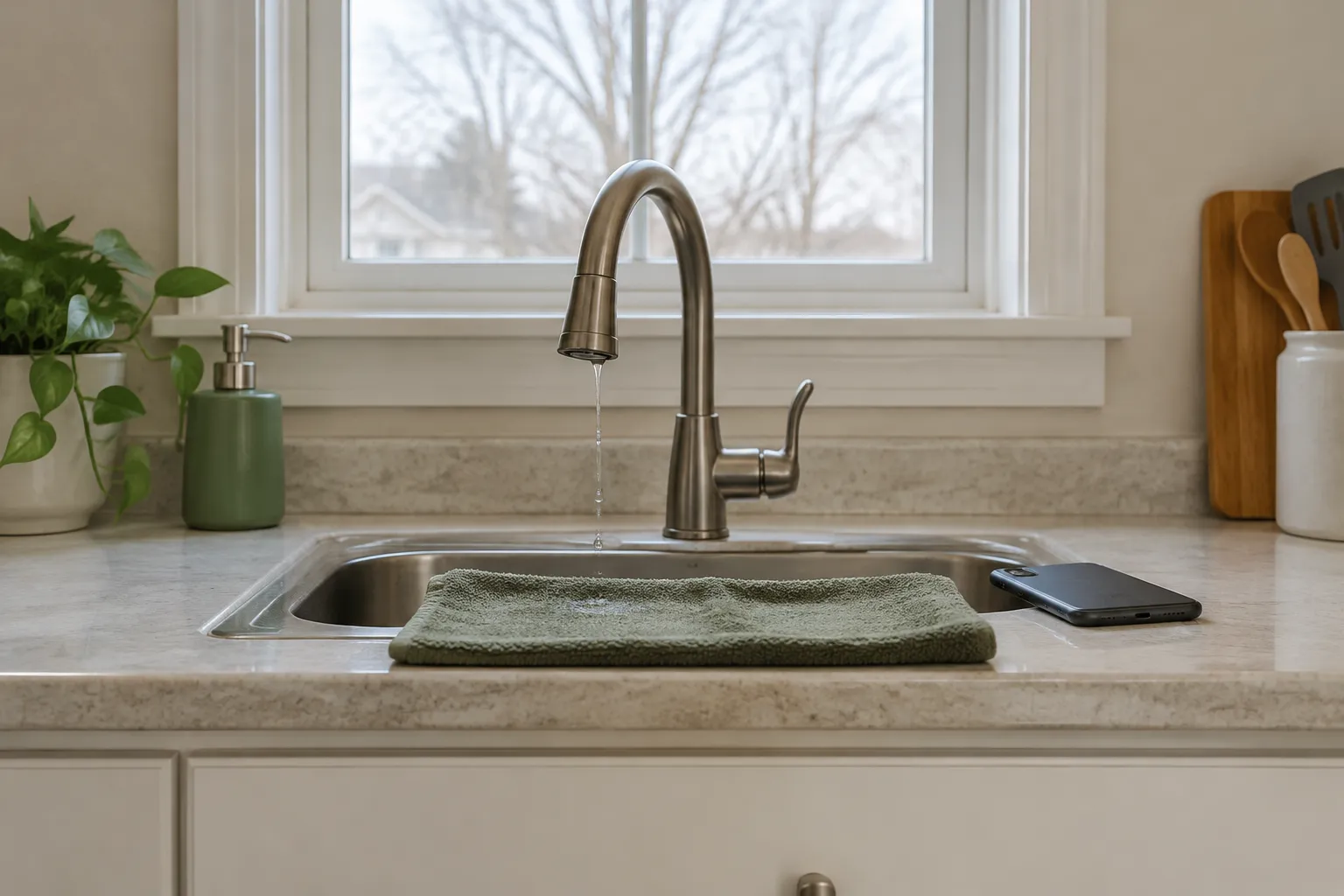
Utilities are the task most likely to leave you without service if it waits. Contact each provider to open an account in your name starting on your move-in date, and ask when the previous account ends. Keep every account number in one place.
- Electric and natural gas, including who to call if you smell gas
- Water and sewer, and whether the bill comes from the municipality or another provider
- Trash and recycling pickup days and where the bins belong
- Internet and phone installation appointments, which can take time to schedule
- Heating fuel delivery if the home uses oil or propane
Check Safety Equipment and Key Systems
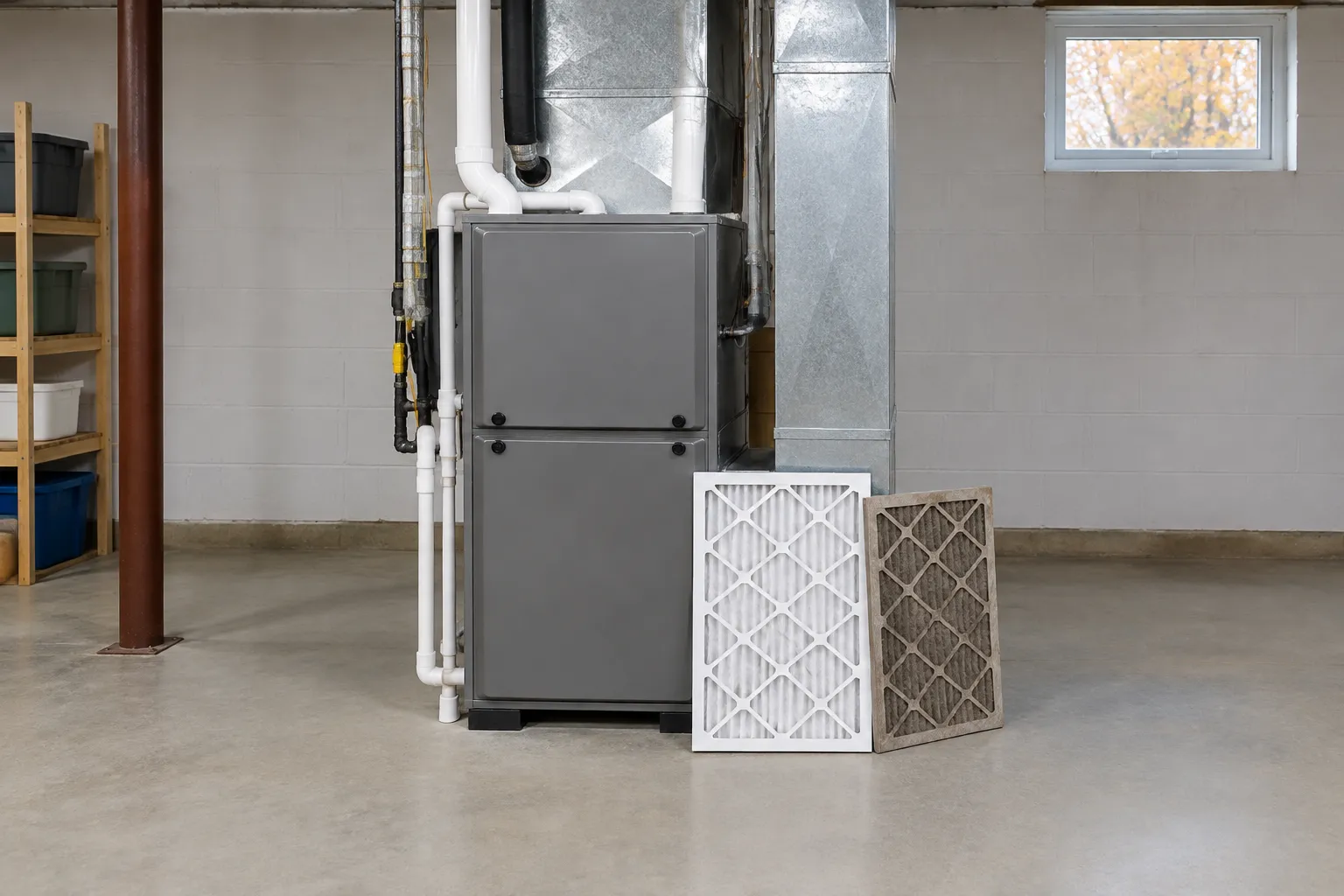
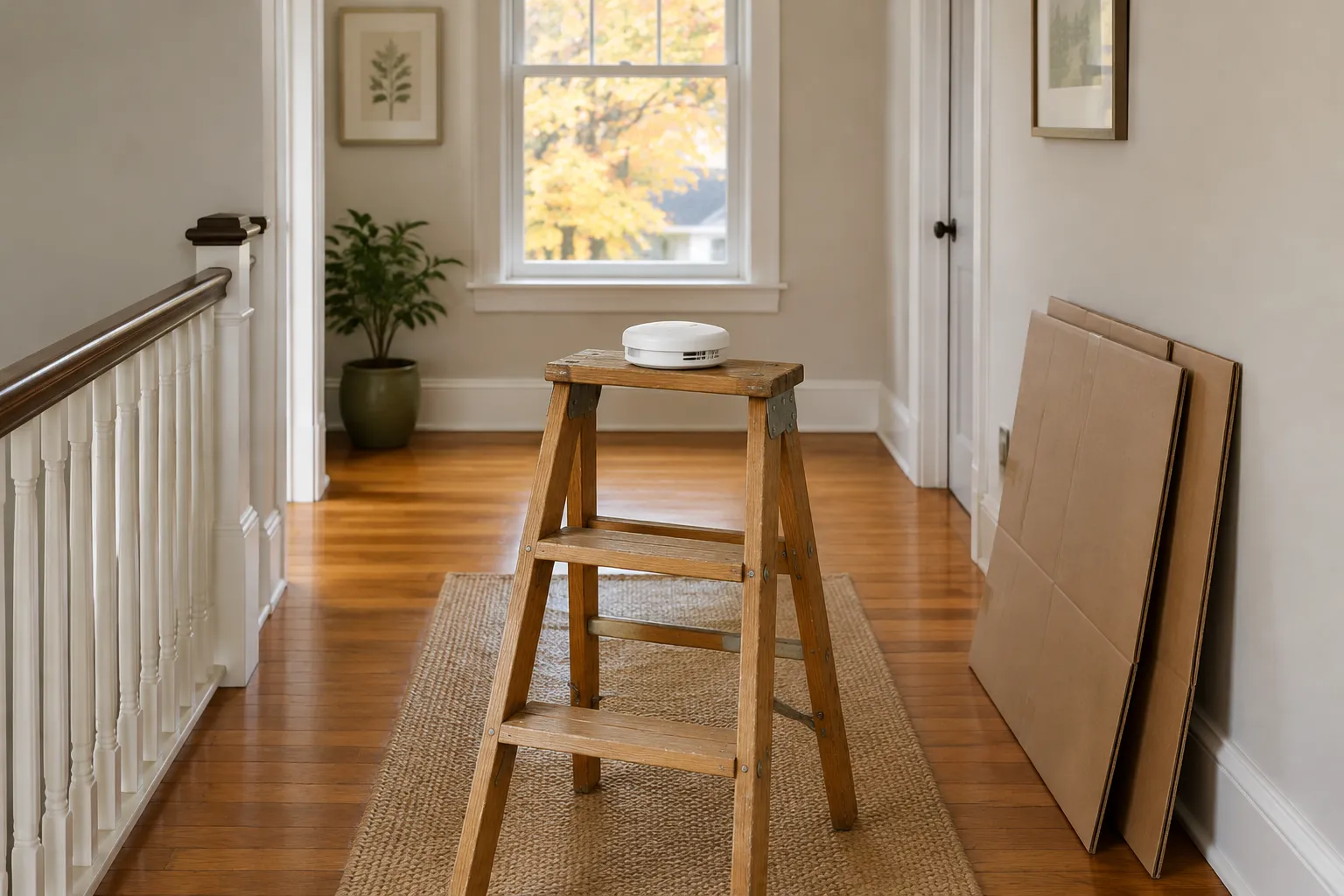
Walk through the house before you settle in. Test every smoke alarm and carbon monoxide alarm, and replace batteries if you cannot confirm they are new. Locate the main water shutoff, the electrical panel, the furnace or boiler shutoff, and the water heater. Compare what you find with your home inspection report so you know which items were flagged for follow-up.
- Water shutoff location and how to operate it
- Electrical panel location and whether circuits are labeled
- Furnace filter size and the date it was last changed
- Sump pump, if the basement has one, and whether it has a backup
- Exterior drainage and where downspouts discharge after heavy rain
If the inspection report noted an item, ask your inspector or a licensed contractor what it means before you assume it is minor.
Secure the Home
Decide the order of these tasks with everyone in the household, starting with the points of entry most exposed to the outside, such as exterior doors and the garage.
- Change or rekey exterior locks, and ask the locksmith how keys are tracked
- Reset garage door keypad codes and gate codes
- Check that every window and door latches and that exterior lights work
- List everyone who holds a key, including neighbors, cleaners and contractors
- Store spare keys in a place you will remember
Organize Your Papers and Records
Set up one folder, paper or digital, for the home. You will want these documents for insurance questions, repairs and any future sale, so note where each one is kept.
| Document | Why it helps this week | What to do with it |
|---|---|---|
| Closing statement | Shows the final figures and what was paid to whom | Store the original and a scan |
| Home inspection report | Lists items to watch or repair | Keep it with notes on follow-up work |
| Warranties and appliance manuals | Explains coverage and model information | Record serial numbers and register products where the maker asks |
| Utility and service account numbers | Needed for changes and service calls | Keep them in the home folder |
| Homeowners insurance policy | Shows the coverage you hold for the property | Confirm with your insurer when coverage starts |
Plan the Next Few Days
Once urgent items are handled, turn to tasks that depend on other people. These take longer to finish and are easy to forget during a move.
Update Your Address
Notify your bank, employer, insurer and anyone who sends you regular mail. The postal service can forward mail for a period you choose, but forwarding does not replace updating accounts directly, so keep a running list of who has your new address.
Learn the Neighborhood Basics
Find out your trash day, the nearest grocery store, pharmacy and hardware store, and the route to the nearest urgent care. Save your local emergency number and the nonemergency line for your municipality in your phone before you need them.
Questions to Ask Your Agent in Week One
- Which items included in the sale are listed in writing, and where is that list kept
- Who held the keys and codes before you, and how you can get any that are missing
- Which utility accounts are already active and which still need to be opened
- Who should you contact about a repair that appears right after move-in
- Which purchase document terms should be reviewed with a qualified professional before you act on them
Start Your Home Routine This Week
Write your first-week list in one document and give each item a target date. Check alarms, locks and utility accounts first, then work through the records and the longer tasks. Review the list again at the end of the month to see what remains open. SAP Real Estate has operated since 2017 in Syracuse and Central New York, and you can send a message through our contact form with questions about your move.