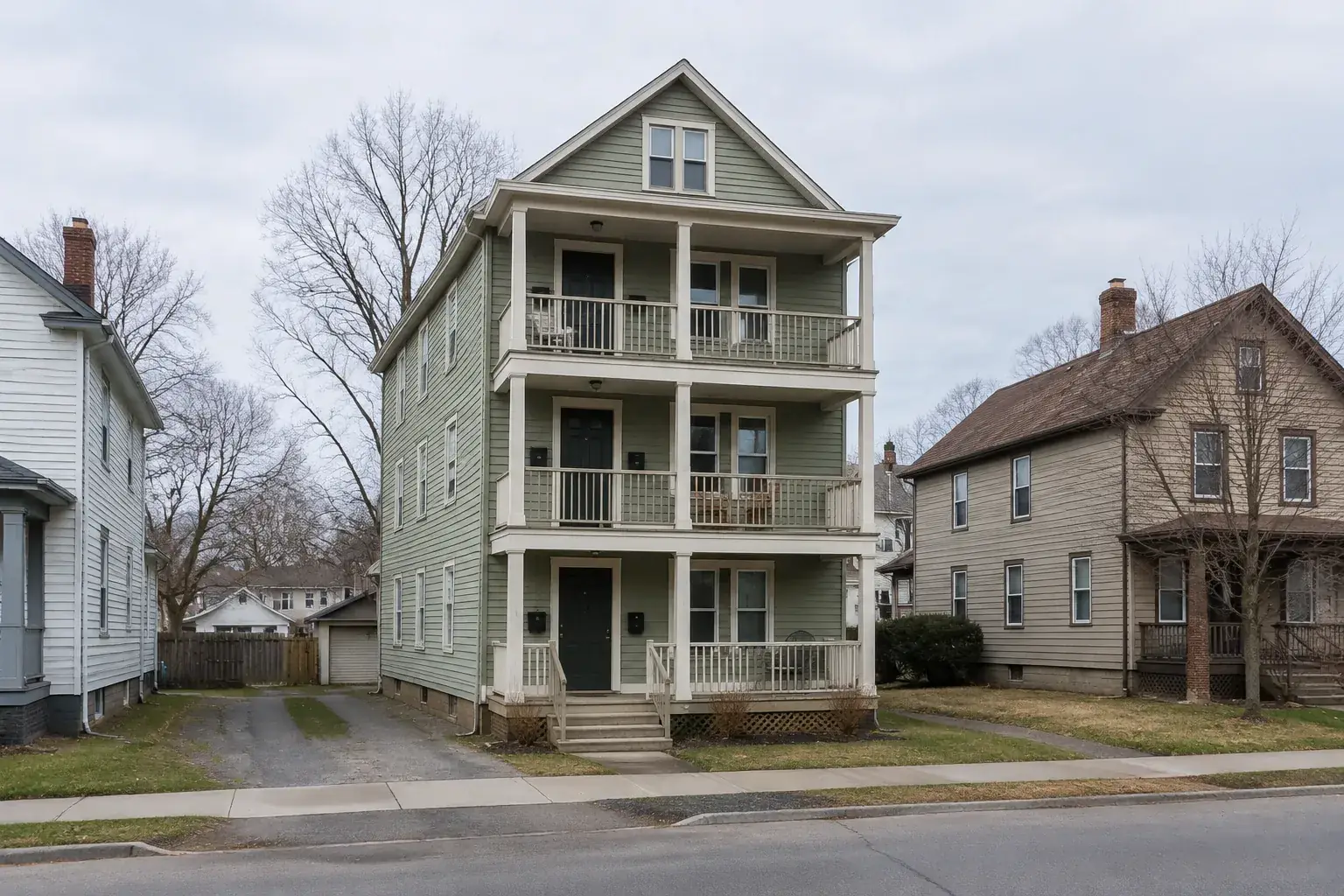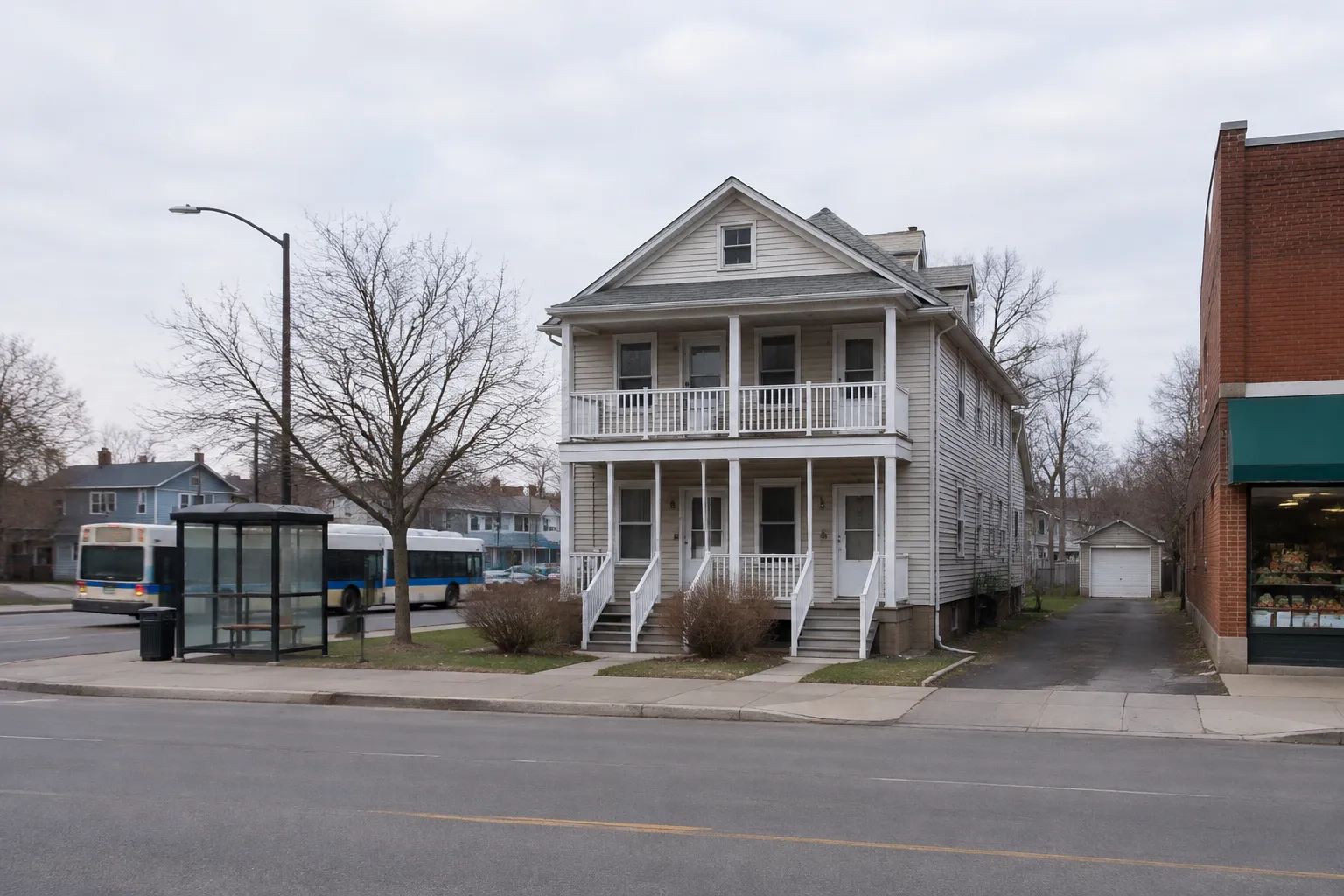
Location can influence how easily a rental is filled and how much time it takes to manage. Before you compare individual buildings, decide which location factors matter for the type of rental you plan to offer, then check each property the same way. The sections below cover employment access, transit and road access, conditions you can only see in person, trade-offs between locations, and the local rules to confirm before you buy.
Start With the Rental You Plan to Offer
A location factor only matters in relation to the rental it supports. A small unit near a large employer, a unit with a yard on a quiet street and a unit within walking distance of a bus line each have different needs. Write down the unit type, the lease length you are considering and the daily travel you expect a tenant to need, then judge each address against that list rather than against a general idea of a good area. If you are still deciding whether property investing fits your goals, review getting started with property investing locally before narrowing your search.
Employment Access Near the Property
Nearby employers can support rental demand because they shape how far a commute would be. Check where the largest employers in the Syracuse area sit relative to the property, and how long a drive or transit ride would take at the hours people actually travel. Ask the county or city economic development office, or a local chamber of commerce, for current information about major employers and expansions. Confirm any announcement directly with the employer before relying on it.
Transit and Road Access
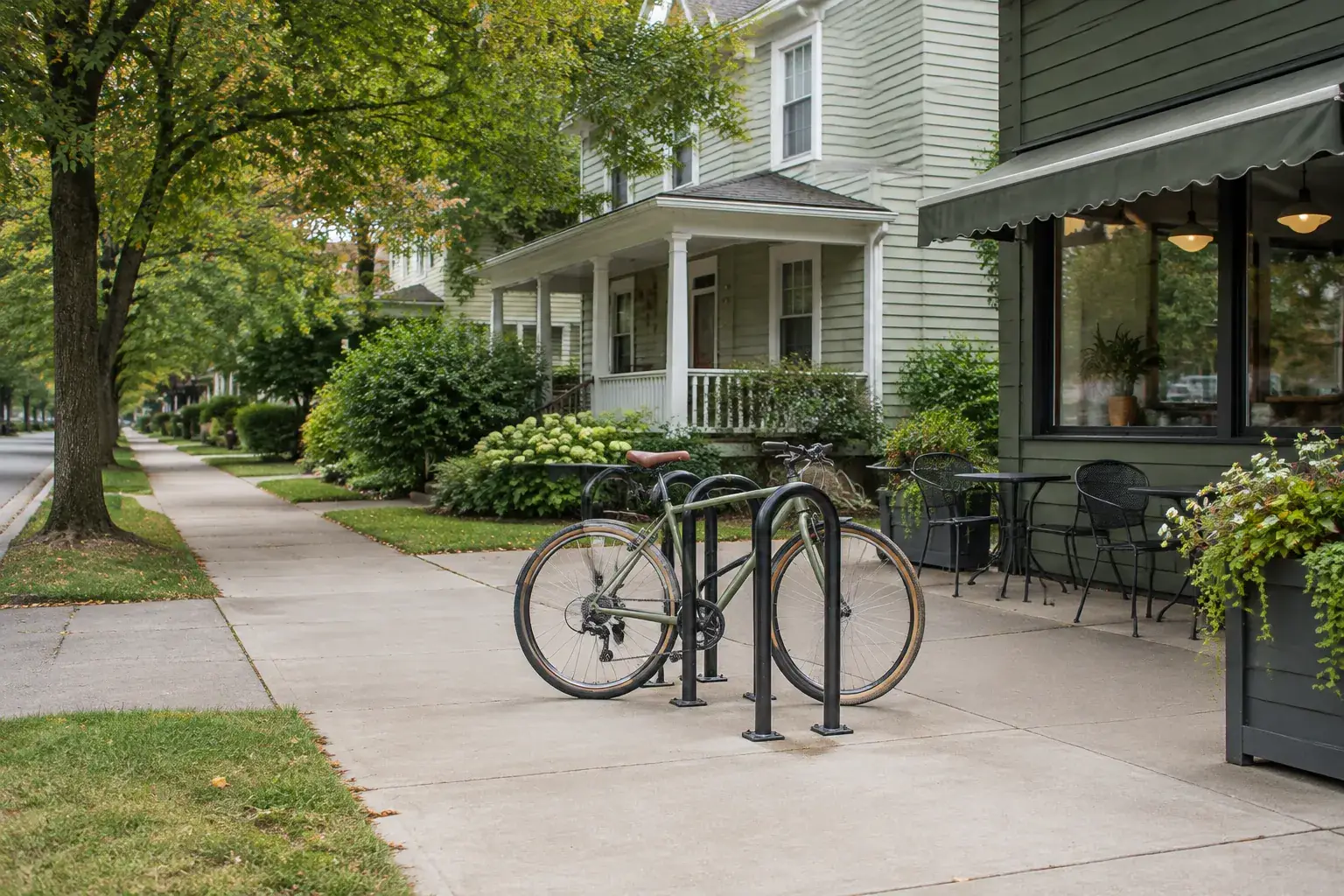
Transit and road access determine how practical a property is for daily travel. Confirm routes against the regional transit provider’s current published schedule, since routes and service hours change. Then test the route yourself, on foot and at the times that would matter to a tenant.
- Walking distance from the property to the nearest stop on current routes, measured along the actual sidewalk path
- Service hours on that route compared with the work hours a tenant would need
- Road access at peak times, including the main intersections you would cross daily
- Parking on the street and on the lot, and whether any lot space is shared
- Snow removal and sidewalk maintenance on the access route during winter months
Demand Drivers Beyond Employment
Employment is not the only source of demand. Hospitals, colleges, government offices and large retail or service centers can draw workers and visitors who need housing nearby. Ask which of these sit within a reasonable distance of the property and whether their activity stays steady across seasons, since a seasonal draw can produce uneven occupancy for a unit. Treat any project or expansion you hear about as unconfirmed until you see a public record or a statement from the organization itself.
Conditions You Can Judge Only in Person
Visit the property at more than one time of day, on a weekday and on a weekend. Note traffic noise, street lighting, the condition of nearby buildings and yards, and how much on-street parking is occupied. Look for signs of construction or planned road work, and ask the municipality for any published project schedule. Photos taken during a single midday visit will not show these changes.
Trade-Offs Between Locations
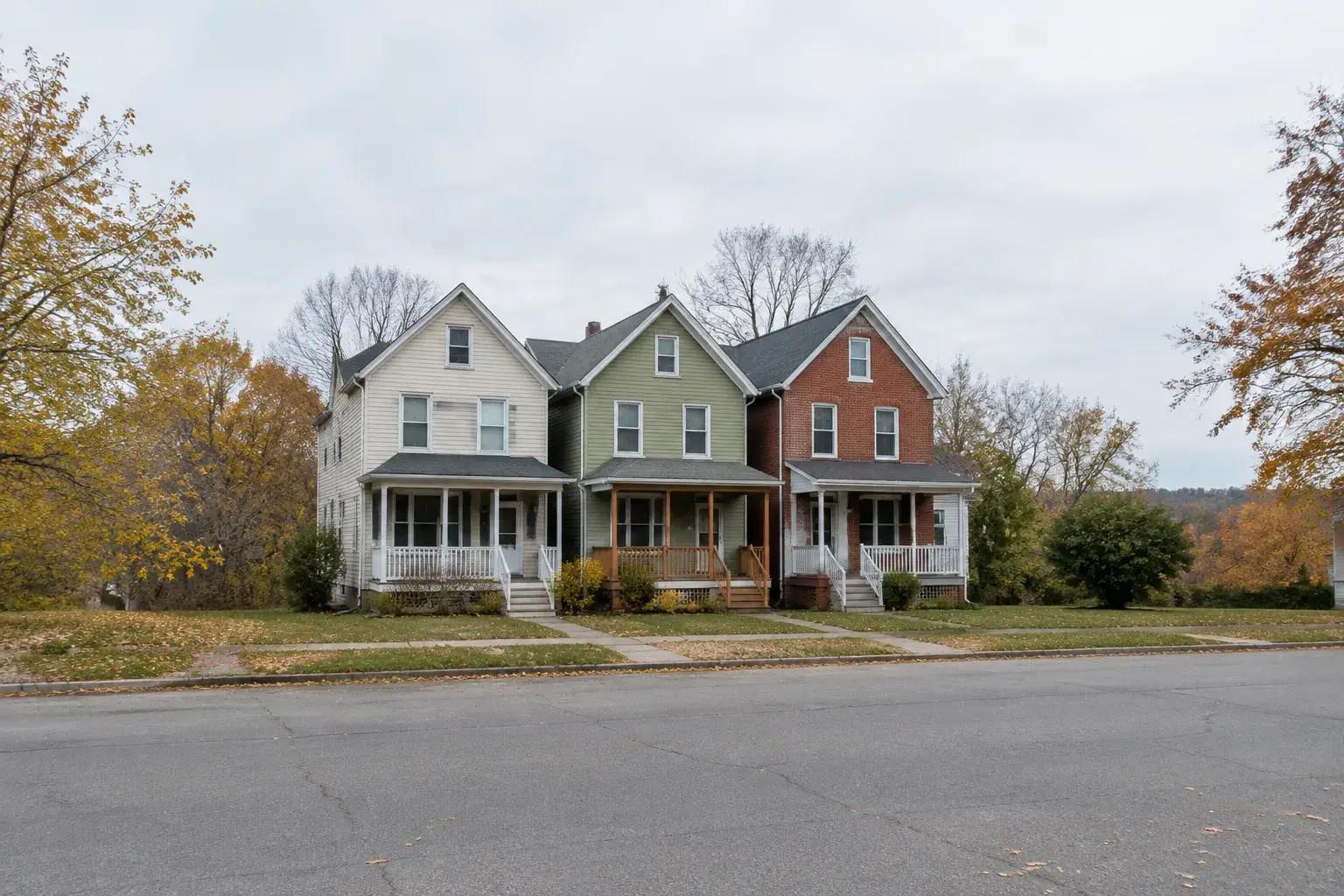
Locations with strong access often cost more to buy, and older buildings in dense neighborhoods can need more upkeep than newer construction in a quieter area. Newer construction may need fewer repairs early on, but its location may mean a longer commute for a tenant. Weigh each factor against the purchase cost, the repair work you expect and the rental demand you can document, rather than assuming the most central address is the strongest choice.
Local Rules to Confirm Before You Buy
Zoning, rental registration and inspection rules are set locally and may differ between municipalities in the county. Ask the local code or building office which rules apply to the rental use you plan, and have an attorney review them before you make an offer. The municipality’s official website is the usual starting point for finding the right office.
When Property Management Fits the Plan
Managing a rental yourself takes time for showings, maintenance calls and rent follow-up, and that work is harder when the property is far from where you live. A management service can take on those tasks. Review the scope of property management services in Central New York before comparing it with self-management, and ask what is included and how fees are structured.
Confirm Location Facts Before Committing to a Rental Purchase
Before you make an offer, gather current employer information, walk the route to the nearest transit stop at the times you would use it, and list which local rules need confirmation with the municipality and an attorney. Compare every property against the same checklist so that differences between locations stay visible. If you want help weighing a specific neighborhood or comparing management options, you can contact SAP Real Estate directly.