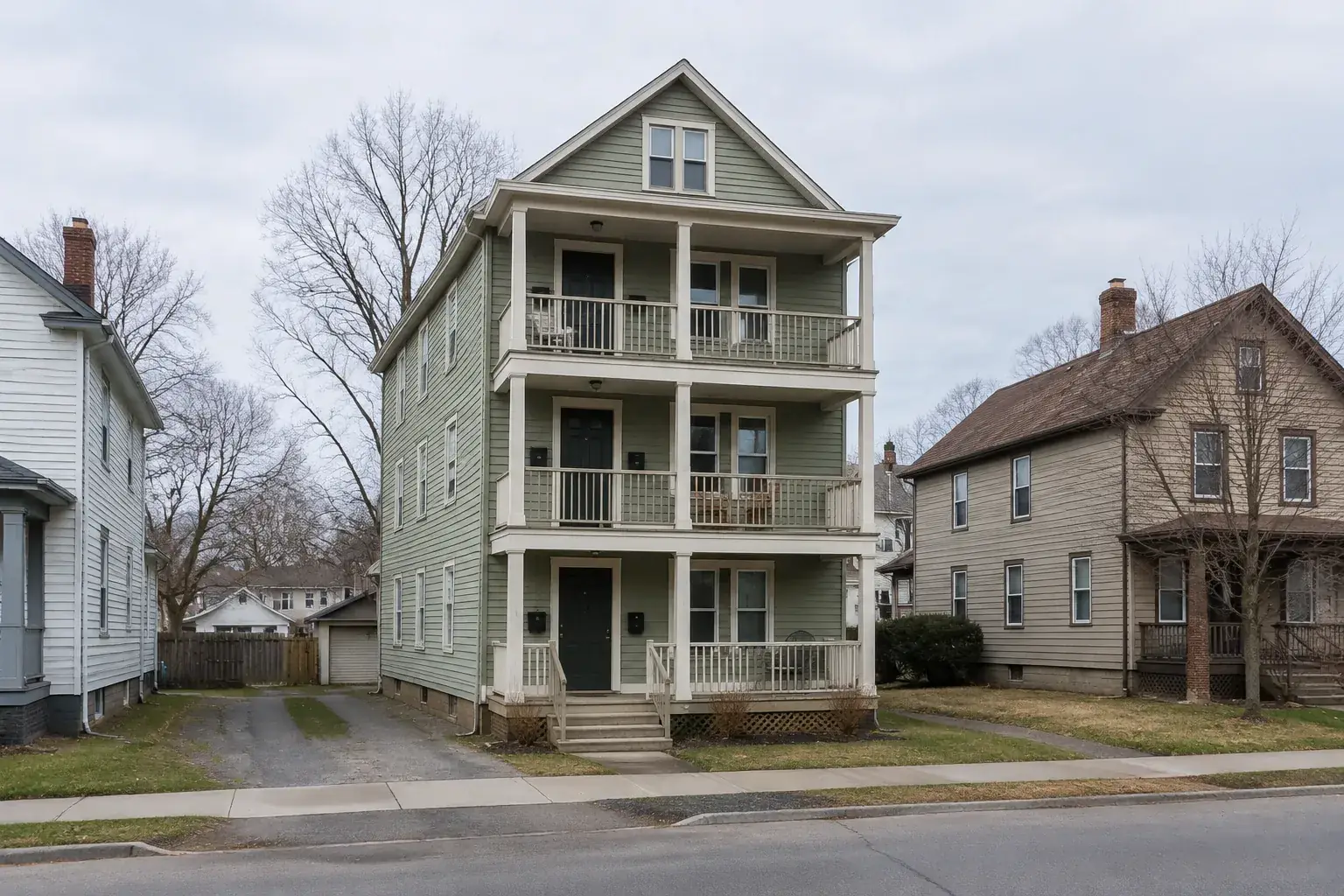
A rent roll is the schedule that lists each unit in a building, who occupies it, the lease terms on file and the rent recorded for that unit. Investors ask for it early because it is the source document for the income figures used later in an evaluation. Readers new to this area can start with property investing basics in Central New York before reviewing one.
What a Rent Roll Lists for Each Unit
Most rent rolls are a spreadsheet or report with a separate line for each unit. The layout varies by owner and manager, so confirm each column label before you rely on the totals. Check these fields on every line.
| Field | What to check |
|---|---|
| Unit identifier and type | Confirm the unit number matches the floor plan and building layout you were given. |
| Tenant name and status | Note whether the unit is occupied, vacant or listed with notice given, and confirm the status against the lease or current occupancy record. |
| Lease start and end dates | Mark leases that end soon and any month-to-month arrangements, since timing affects income planning. |
| Monthly rent recorded | Compare the figure with the signed lease and any amendment, not only with the spreadsheet. |
| Balance or arrears | Ask whether the balance is current, and request the tenant ledger for any unit with an open amount. |
| Notes and concessions | Ask for written detail on any side agreement, discount or special term that does not appear in the lease. |
Connecting the Rent Roll to Your Evaluation
The rent roll gives you the raw unit lines. Any summary figures you calculate later, such as total rent or vacancy measures, are only as reliable as those lines, so trace each total back to the rows that produced it. Keep a note of which figures came from the rent roll and which came from another record, such as a ledger or a seller statement.
Reconciling Lines Against Source Documents
Compare each occupied line with the lease on file, the current tenant ledger and the unit status shown on the day of your review. Where the three disagree, write down the difference and the date of each record. Ask the owner or manager which record is current before you change any figure in your own analysis.
Reading Expiration Timing
Lay out lease end dates on a simple monthly timeline. A cluster of expirations in one period concentrates renewal and re-leasing decisions at the same time, which affects turnover planning. Ask the manager how renewals have been handled for those units and whether any notices have already been given.
Questions to Ask Before You Rely on the Rent Roll
- Who prepared this rent roll, and on what date was it last updated?
- Does each occupied unit have a signed lease on file, and are all amendments included?
- Which units are vacant, and what do the records show about how long each has been vacant?
- Which tenant balances are open, and what does the ledger show for each one?
- Are there any side agreements, discounts or special terms that do not appear in the leases?
- Which units are on notice, and which records document that notice?
What Can Go Wrong in a Rent Roll?
- A unit marked occupied may have no current lease on file, or its lease may have ended while the spreadsheet still shows it as active.
- Recorded rent may differ from the lease after an amendment that was never added to the file.
- Concessions and side arrangements may be left out of the summary, which changes the income picture without changing the total line.
- An old rent roll can look current when its date is missing or stale.
- Totals can be correct arithmetic on incorrect lines, so a balanced sheet is not proof that the underlying data is accurate.
Questions for Your Lender and Adviser
A licensed lender or adviser can explain how their review of a rent roll is organized and which documents they will request. Bring the rent roll together with the leases and ledgers you have collected. Ask them which figures they will recalculate themselves, what they need from you in writing and what they cannot assess without the lease itself. Their answers depend on their own process, so confirm the specifics with them directly.
Property Management After You Buy
If you expect to hire a manager once you own the building, the rent roll also becomes the starting record for that relationship. Ask the manager how they will take over unit records, collect rent and coordinate maintenance. The SAP property management services page describes tenant placement, rent collection and maintenance coordination, which you can compare with other options.
Verify Every Rent Roll Line Before You Rely on It
Compare each occupied line with its lease, ledger and current status, and write down every difference along with the date of each record. Ask the seller or manager for the source documents before you make an offer or submit a financing request, since summary figures are only as accurate as the lines beneath them. Keep unresolved items on a written list so each one has a named follow-up. SAP Real Estate works with buyers, sellers, renters and owners in Central New York, so you can send a message through our contact page with questions about a property.