What a Comparative Market Analysis Is
A comparative market analysis, often called a CMA, is a written comparison of your home with other homes that have recently sold, homes that are currently listed for sale and, in some cases, homes that went under contract but did not close. An agent prepares it to show how your property compares with the local market, so you can make informed decisions when you list. A CMA is a market comparison for a sale conversation, and it does not replace a formal appraisal.
Ask which sources the agent used and the sale or listing date of each comparison. A CMA is only as current as the data behind it, so the dates matter as much as the addresses.
Comparable Homes and How They Are Chosen
The comparables, or comps, are the homes an agent selects as the closest matches to yours. Selection commonly starts with the same property type, a similar living area and layout, a comparable lot and a location within a reasonable distance of your home.
- Property type and style, such as a ranch, colonial or condominium
- Living area, bedroom and bathroom count, and floor layout
- Lot size, garage or parking, and outdoor space
- Age of the home and which major systems have been updated
- Sale date for closed sales and listing date for homes still for sale
- Homes that went under contract but did not close, which can show how buyers reacted to an asking price
Recency matters because the market changes. A sale from a long time ago may say less about current buyers than a recent sale, so an agent should explain why each comparison was included and why any older one was kept.
Condition, Location and Timing Adjustments
After the comparables are selected, the agent compares each one with your home and notes where they differ. These differences are often called adjustments. An adjustment is a reasoned judgment about how a difference may affect the comparison, not a fixed formula, and the agent should be able to explain each one in plain terms.
Condition
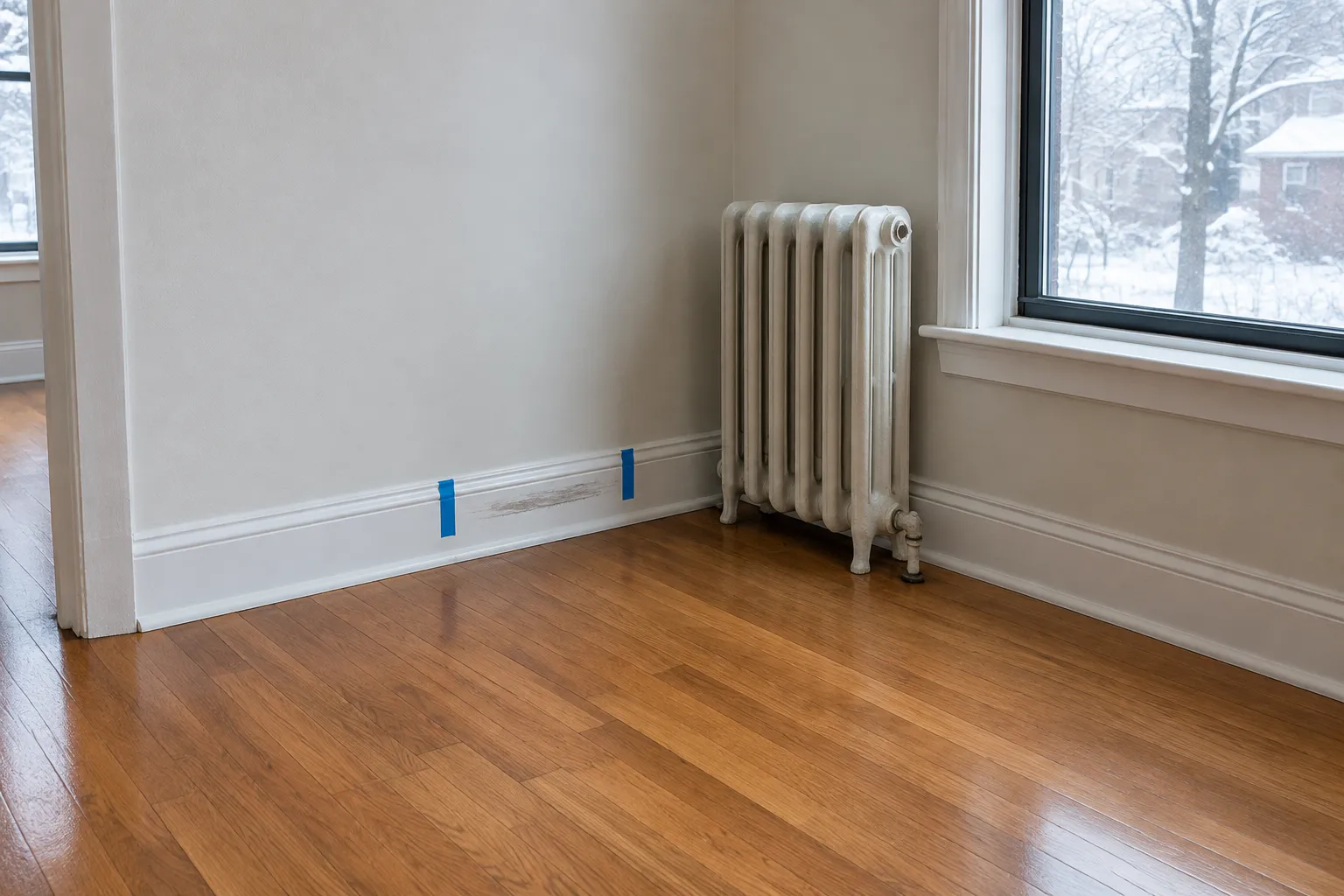
Condition is hard to judge from listing photos alone. A comparable with a newer kitchen, updated bathrooms or a recent roof may look very different from a home that needs repairs. Ask the agent what was seen in person and what was assumed. If you are preparing your home before listing, our article on low-cost home staging changes covers changes that show well in photos.
Location
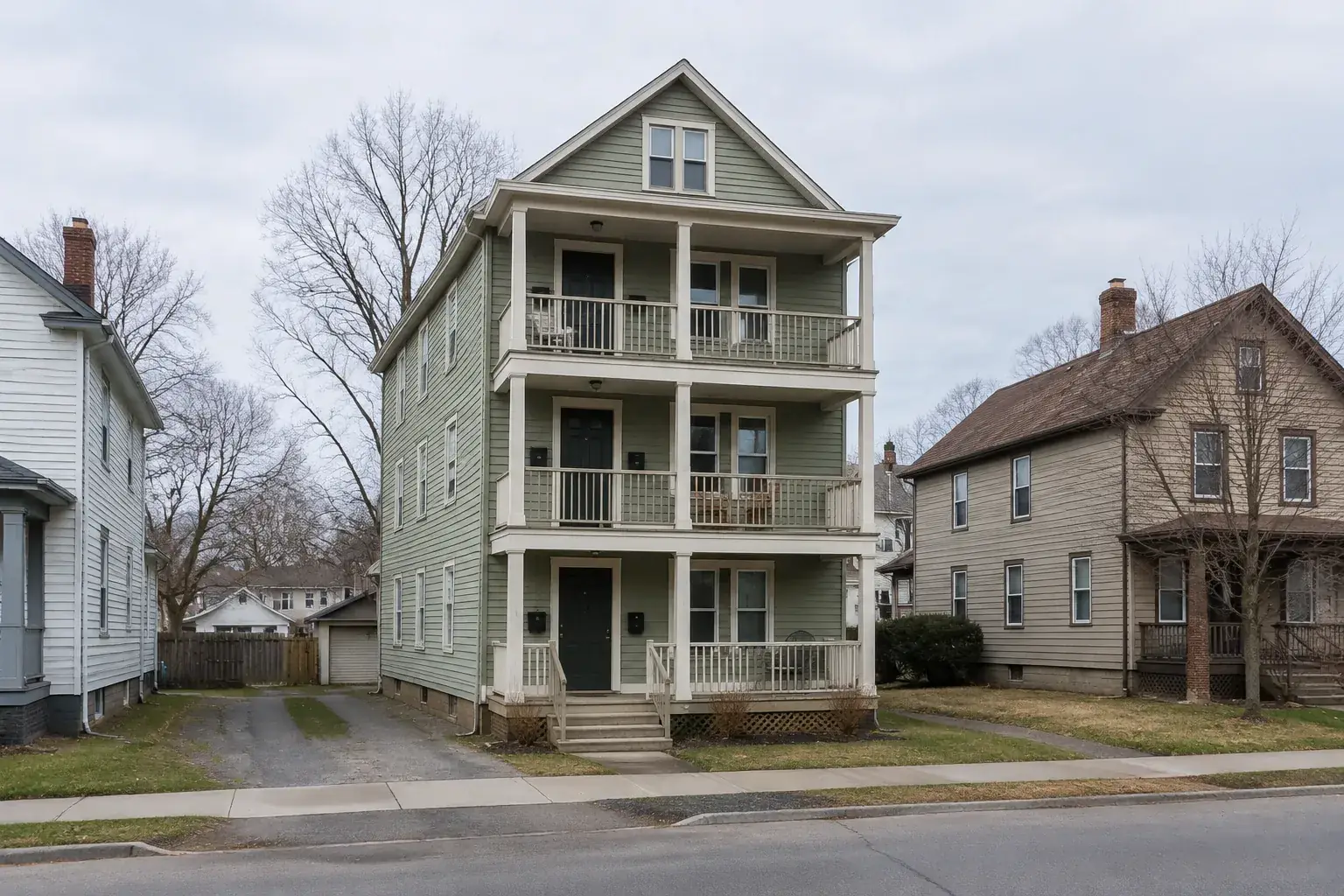
Location adjustments can reflect the position of a lot on its street, nearby traffic or commercial activity, and the orientation of the property. Ask the agent how each difference was weighed and whether it relates to the specific street and property rather than a broad area label.
Timing
Timing adjusts for how long ago a comparable sold or was listed. Markets can move between those dates, so an older comparison may be treated as less current. Ask whether the agent reviewed recent activity and whether any comparable was still competing for buyers when the analysis was prepared.
CMA Versus Appraisal
A CMA and an appraisal both compare a home with others, but they serve different purposes and come from different people. A CMA is prepared by a real estate agent to inform your decisions about listing. An appraisal is an opinion of value prepared by an appraiser, and it is typically ordered when a lender or another party needs an independent estimate.
Appraisers are generally expected to be independent of the transaction and follow professional standards. Whether an appraisal is needed for a particular sale is set by the lender and the transaction, so confirm with your lender what it requires. Appraisal is not one of the services SAP Real Estate offers, so an appraisal would come from a separate appraiser.
Online Estimates
Online estimates are generated by software from public records and sales data. They generally cannot see interior condition, recent upgrades or the details of a specific lot. An online estimate can be a useful starting point, but it should not replace a conversation with an agent who can walk you through the comparables and the adjustments behind a CMA.
Reading a CMA You Receive
Read the summary first, then the individual comparables. Work through the analysis in this order so you can see how each piece supports the conclusion.
- Check the date and status of each comparable, noting which are sold, active or under contract.
- Compare the main physical features of each comparable against your home.
- Read each adjustment and ask for the reasoning behind it.
- Note which comparables carry the most weight in the analysis and why.
- Flag any comparable that seems out of place and ask why it was included.
A CMA shows market evidence, not a promise of what your home will sell for. Treat it as a starting point for a conversation with your agent about preparation, timing and strategy.
Questions to Ask Before You Rely on One
Before you use a CMA to shape a decision, ask your agent the following questions.
- Which comparables did you select, and which did you leave out and why?
- What is the sale or listing date of each comparable?
- How did you adjust for condition, and what did you assume without seeing the inside of the home?
- How does this analysis differ from an appraisal, and does my lender need one?
- What would change this analysis if the market moved before my home was listed?
If the answers are unclear, ask for a written breakdown before you make a decision. You can also review homes currently for sale on our home search page to see the listings a buyer might compare with yours.
Use a CMA to plan your listing conversation
Use the analysis to guide your questions rather than to set expectations about a final sale price. Confirm the data, the adjustments and the timing before you make decisions about listing. Bring your questions to a meeting with your agent and ask for the reasoning behind each comparable. SAP Real Estate serves Syracuse and Central New York with home sales, purchases, rentals and property management, so you can message our team through our contact page to start the conversation.