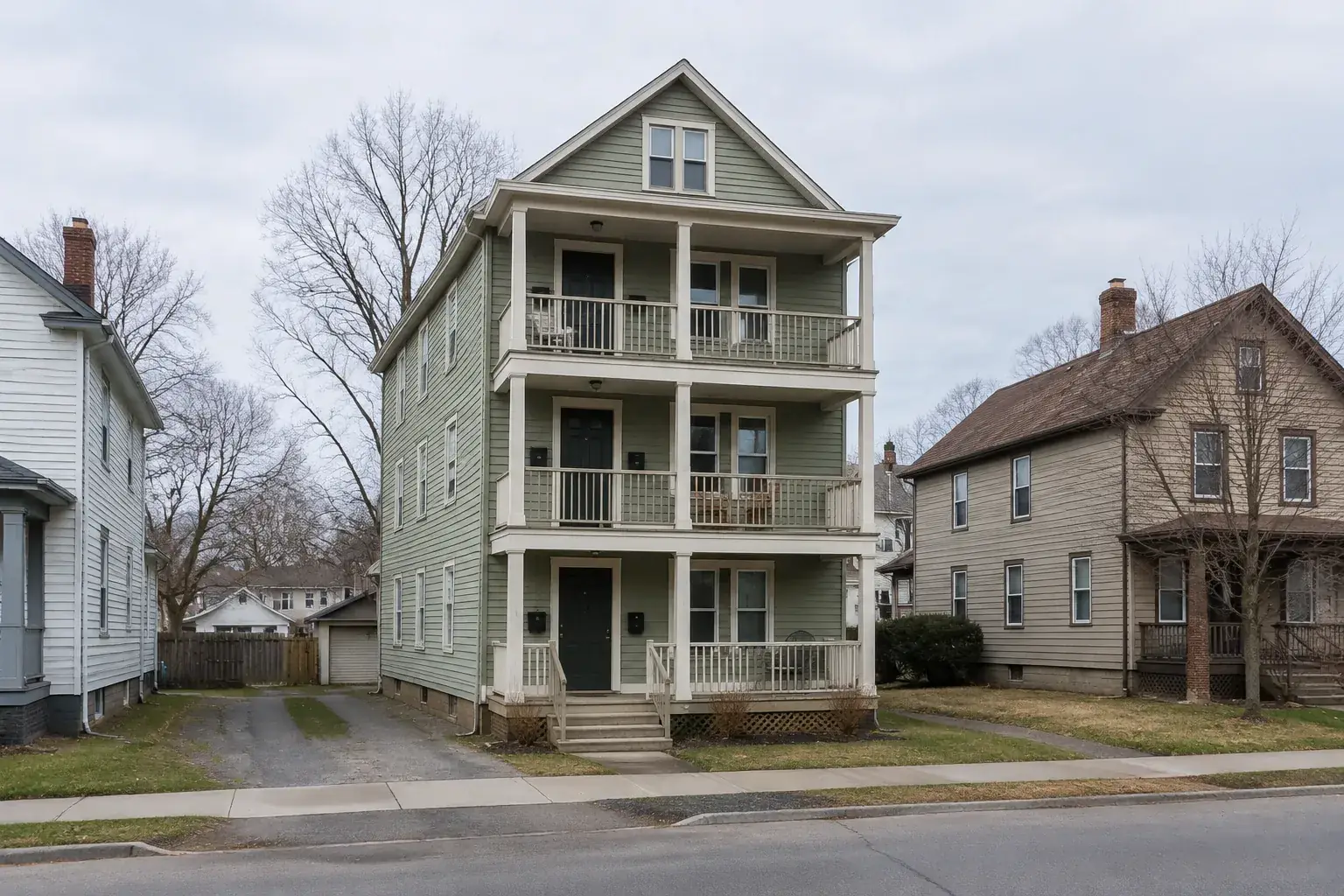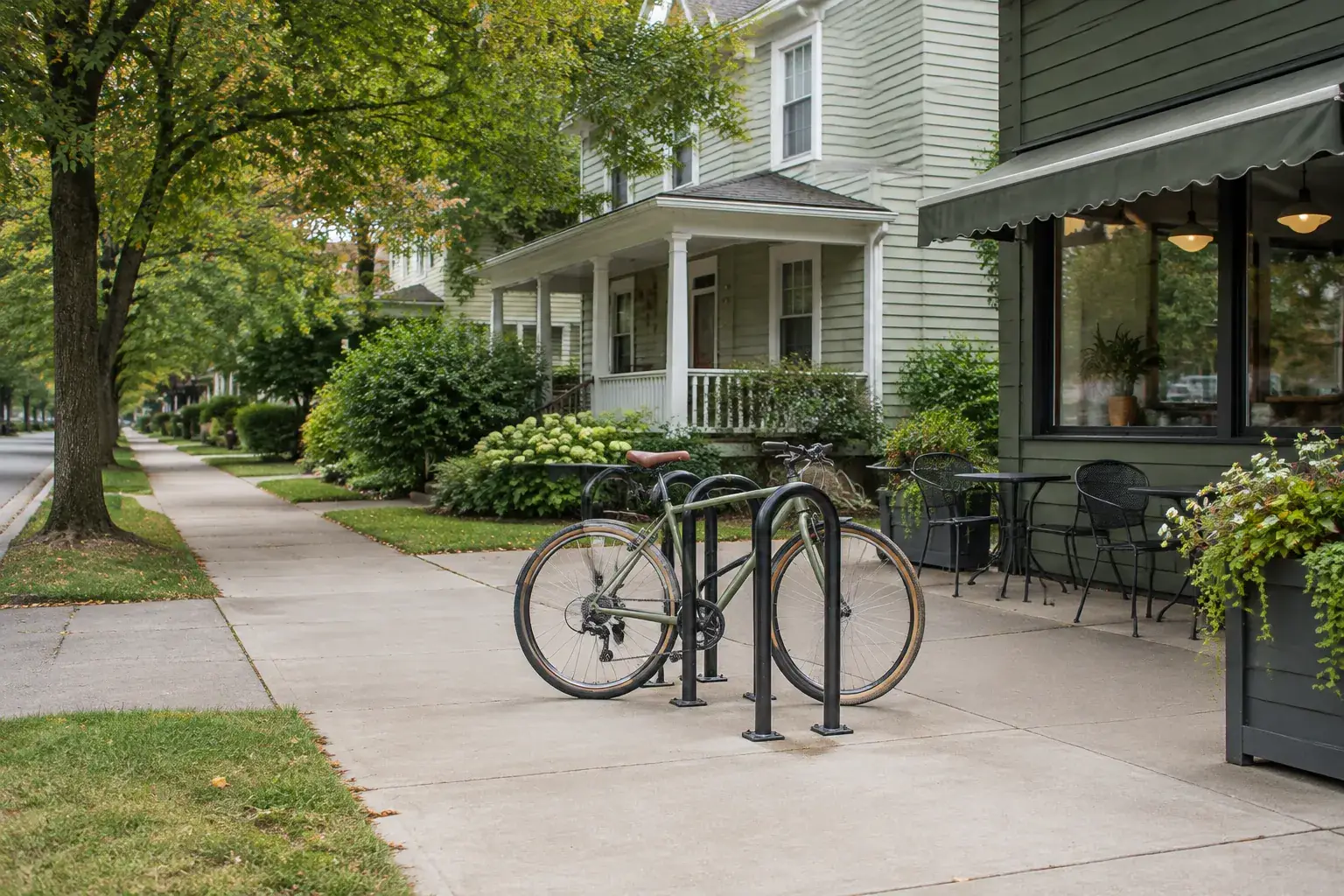
Choosing a neighborhood is a decision about your daily routine as much as it is about the house itself. A home that feels right on a Saturday tour can feel very different on a weekday morning, when you need to reach work, drop off a child or pick up groceries. This guide explains how to compare areas across the places you actually go, so you can narrow the search before you spend time on individual listings.
Map Your Daily Routine Before Comparing Areas
Start with a plain list of the trips you make in an ordinary week. Include where you go, how you get there and roughly when you travel. A neighborhood only fits the trips on your list, so the list becomes the standard you test every area against.
- Work or school locations, and whether you travel there every day or only on some days
- Grocery, pharmacy and banking errands you run on foot, by bike or by car
- Medical appointments, childcare and regular activities that depend on a set drive time
- Visits from family or friends and how they would reach you
Test Commute Times at the Hours You Will Travel
A commute measured on a map tells you little about the trip at rush hour. Drive or ride the route at the times you will actually travel, and repeat it on more than one day if you can. Note where traffic slows, which turns are awkward and how long it takes to find parking at the destination.
- Drive the route at your usual departure time, then drive the return trip at your usual finish time
- If you plan to use public transit, walk from the home to the stop and confirm the current schedule with the transit provider
- Ask the agent how far the street is from the main road or highway access point you would use
- Consider how winter conditions could change the drive, since snow and ice can lengthen travel time
Judge Walkability and Errands on Foot and by Car
Walkability is about whether the places on your list can be reached without a car and what that trip is like. Distance on paper matters less than the path itself, including sidewalks, crossings, lighting and whether the route is comfortable with a stroller, cart or mobility aid. Where a trip requires a car, the questions shift to parking, drive time and the conditions along the way.
Sidewalks, crossings and the walking route
Walk from the front door to the grocery store or pharmacy you would use most. Note whether sidewalks are continuous, how wide the road is at each crossing and whether the signal gives slower walkers enough time to cross. A route that looks short on a map can include a busy intersection with no marked crossing.
Parking and car dependence
If you will drive for most errands, check where you would park at home and how much street parking is available in the evening when you return. Ask whether the home has a driveway or garage and whether the street has any parking restrictions. Confirm those restrictions with the municipality rather than relying on the listing, because local rules can change.
Compare Neighborhoods Side by Side
Use the same table for every area you visit so the comparison stays fair. Fill in each column after every visit, while the details are still fresh.
| Factor | What to check | Question to ask the agent |
|---|---|---|
| Commute | Drive or transit time at your real departure hour | Which route do you recommend from this address at rush hour? |
| Daily errands | Distance and walking route to grocery, pharmacy and banking | Which errands are closest to this address on foot? |
| Parking and access | Driveway or garage, street parking and access to main roads | How much street parking is typically open in the evening on this block? |
| Street conditions | Traffic speed, sidewalks, lighting and snow clearing | Who is responsible for sidewalk and snow clearing on this block? |
Look Past the Listing to the Street and Season
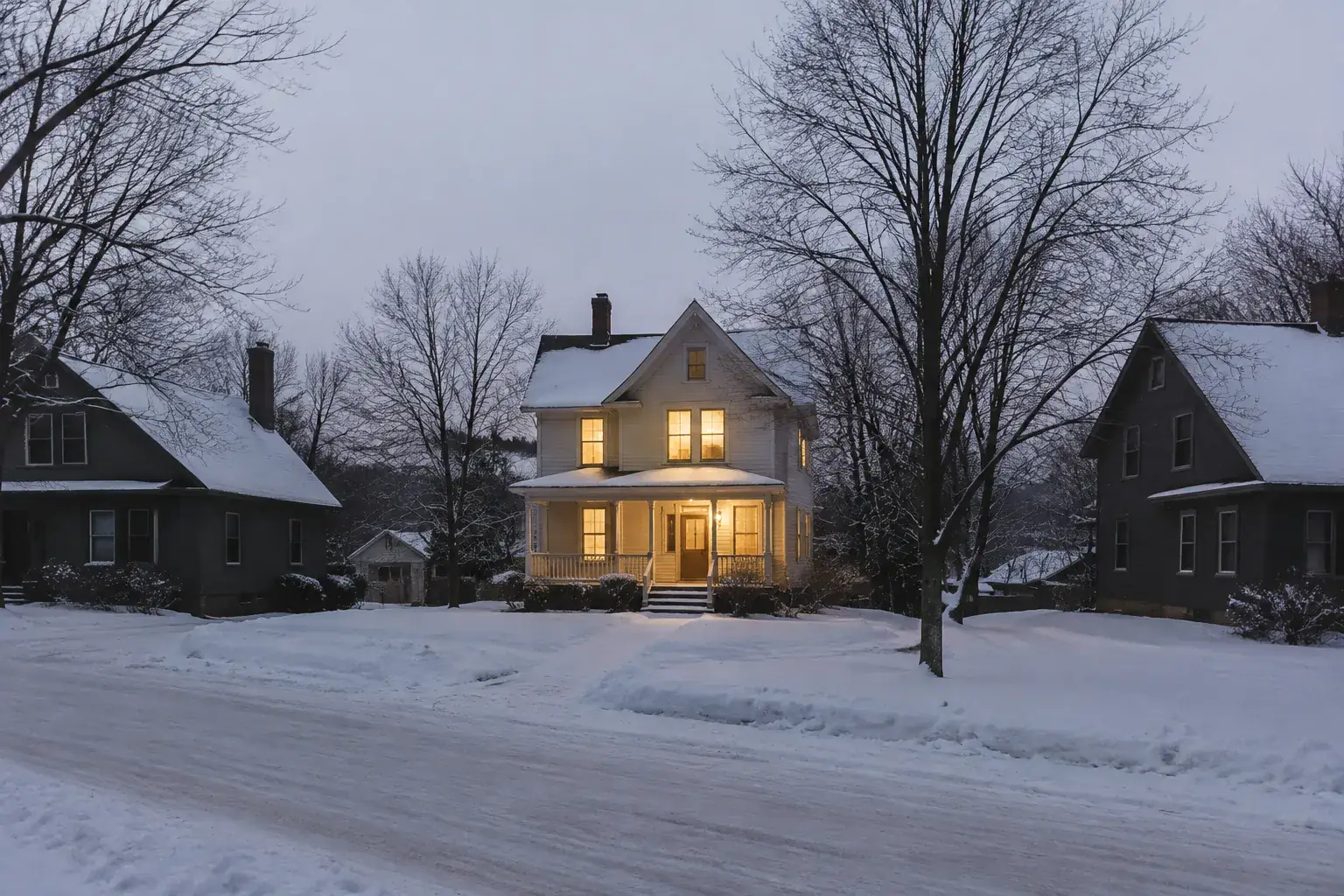
Visit the street at more than one time of day, including the evening, when traffic and street activity can differ from a midday showing. Note noise from nearby roads, rail lines or businesses, and whether the lot faces a busy corridor. Describe what you observe in plain terms, such as the volume of traffic or the level of street lighting. A guide to touring a home room by room can help you examine the property itself during the same visit: guide to touring a home room by room.
Recognize the Trade-Offs Before You Commit
A neighborhood usually involves trade-offs. A quiet street may sit farther from shops. A location near a main road can shorten the drive but bring more traffic noise. A walkable area may have smaller lots or less off-street parking. Rank the items on your routine list so you know which compromises you can accept, and ask the agent what planned construction or road work is known near the home, since those changes can affect both commute and surroundings.
Narrow the Map Before You Tour Homes
Once a few areas meet your routine, browse the home search listings for sale filtered to those areas and note which homes fit the commute and errands you measured. Before you tour, you may also want to estimate a monthly payment with the Mortgage Calculator page, which uses home price, down payment, interest rate and loan term. Confirm any figures you rely on with your lender.
Turn Your Daily Routine Into a Neighborhood Shortlist
Write your routine list, drive the commute at the hours you will travel and walk the routes that matter most. Then score each area with the same table so your choice rests on what you observed rather than on listing photos alone. Put your questions to the agent in writing before you visit so the answers are on record. SAP Real Estate is a Syracuse brokerage serving Central New York, and you can reach the team through the contact page for buying questions.